
As advertising costs rise and user attention spans shrink to mere seconds, the debate of TikTok Ads vs Facebook Ads becomes critical for marketers deciding where to allocate their budget. With global TikTok ad spend projected to grow significantly in 2026, understanding the distinct value of each platform is essential to avoid wasted ad spend.
Between TikTok Ads vs Facebook Ads, which one is better? Let’s get started!
Quick Summary:
- The Efficiency Split: TikTok is the “Efficiency King” for reach with CPMs ($4 – $9) up to 60% cheaper than Facebook ($12 – $25). Facebook remains the “Conversion King” for high-ticket sales.
- Targeting Tech: Facebook uses the Social Graph + Advantage+ (AI) to find who people are. TikTok uses the Interest Graph + GMV Max (AI) to find what people love.
- Creative Vibe: TikTok is a “Sound-On” entertainment platform requiring authentic UGC. Facebook is versatile, supporting polished visuals and “Sound-Off” consumption.
- The Winning Strategy: Don’t just pick one. The best 2026 strategy is a Hybrid Full-Funnel: Use TikTok to drive massive, cheap traffic and Facebook to retarget and close the sale.
What is TikTok Ads?
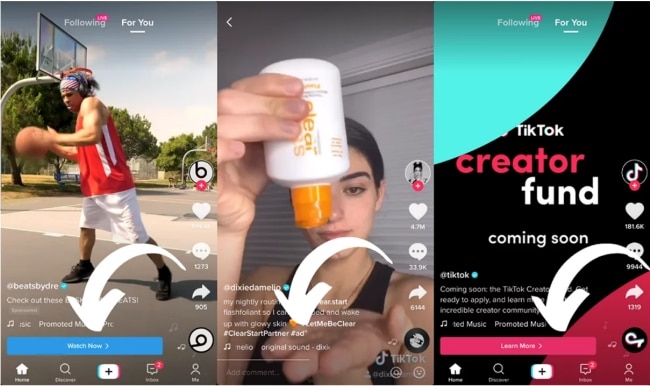
TikTok provides a powerful yet simple platform for businesses to promote to millions of people worldwide. With TikTok Ads, brands can reach massive audiences through a single viral video. Advertisers on TikTok can demonstrate their products in action and pack a lot of information into a short, engaging clip.
While this format may be tricky for B2B firms selling complex services, it is perfect for B2C brands looking to leverage “Shoppertainment” and the seamless integration of TikTok Shop to deliver content that converts. TikTok gives advertisers a variety of ways to promote on the network, allowing you to select what will be most effective in reaching your target audience.
Benefits
- High Engagement: The immersive, full-screen, and sound-on nature of the app keeps users glued to the screen. According to Socialinsider (2026 Benchmarks), TikTok boasts an average engagement rate of 4.0% – 5.0%, significantly higher than Instagram (~0.60%) and Facebook (~0.15%).
- Younger Audience: It is the undisputed platform for reaching Gen Z and Millennials effectively.
- Organic Feel (UGC): Ads often blend seamlessly with organic content, feeling less intrusive and more authentic.
- Viral Potential: The algorithm gives every video a chance to go viral, regardless of the account’s follower count.
- Lower CPMs: Offers significantly more cost-effective impressions compared to saturated platforms.
Challenges
- Creative Demands: Requires a constant stream of fresh, “native-style” video content; polished corporate ads often fail.
- Tracking Limitations: While improving, attribution can be trickier compared to Meta’s mature pixel.
- Audience Purchasing Power: While growing, the user base is younger and may have lower disposable income for high-ticket B2B items.
What is Facebook Ads?
With Facebook Ads, you can advertise your products, offers, or promotions to potential customers across the entire Meta ecosystem. It remains the gold standard for full-funnel marketing, improving results in both brand awareness and sales revenue.
Facebook Ads were originally designed to provide a way for businesses to connect deeply with their audiences, facilitate the viral spread of brand messages via social connections, and gather granular insights into user activity that marketers care about.
Benefits
- Unmatched Reach: Grants access to the largest social media user base in the world. Meta platforms reach over 3 billion monthly active users, ensuring you can find any niche audience at scale.
- Mature, Precise Targeting: Unparalleled granularity in targeting based on age, interests, behavior, and life events.
- Strong for Direct Response: The algorithm is highly optimized for conversion events (sales, leads).
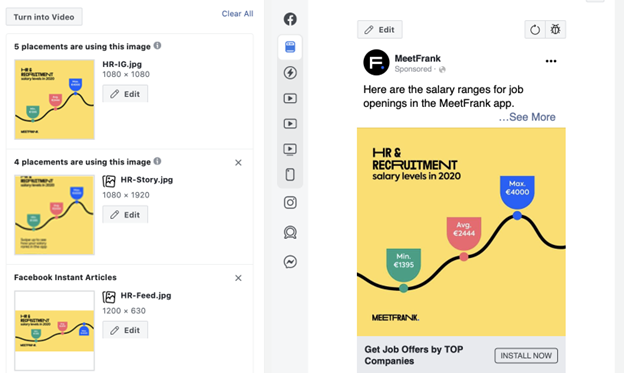
- Omnipresence: Ads run seamlessly across Facebook, Instagram, Messenger, and the Audience Network.
Challenges
- High Costs: High competition leads to significantly higher CPMs and CPCs compared to emerging platforms.
- Ad Fatigue: Users are exposed to many ads daily, requiring frequent creative refreshes to maintain performance.
- Privacy Restrictions: iOS updates (ATT) have made tracking and retargeting slightly less transparent than in previous years.
What are the differences between TikTok Ads vs Facebook Ads?
To make the best decision, let’s look at a quick comparison of the key differences:
| Comparison Point | TikTok Ads | Facebook Ads |
| Placement | Focused on FYP, Discover, Pangle | Omnipresent (FB, IG, Messenger, Audience Network) |
| Types of Ads | Video-first (Spark Ads, Shopping Ads) | Diverse (Image, Video, Carousel, Collection) |
| Policies & Support | Responsive support, specific feedback | Automated, often vague rejection reasons |
| Cost | Lower ($4 – $9) & cheaper CPC | Higher ($12 – $25) due to high competition |
| Targeting | Interest Graph & GMV Max (AI) | Social Graph & Advantage+ (AI) |
| User Mindset | Discovery: “Entertain me” (Sound On) | Connection: “Update me” (Sound Off often) |
| Ad Lifespan | Short: Fatigue sets in within 3-5 days | Long: Creatives can last weeks or months |
| Goals | Awareness, Discovery, Virality | Conversion, Sales, Retargeting |
1. Placement
Facebook Ads
Facebook Ads offer omnipresence. The most valuable proposition of Facebook Ads is that you can truly reach your audience everywhere. Through the Meta Business Suite, brands can connect seamlessly between Facebook, Instagram, Messenger, and WhatsApp.
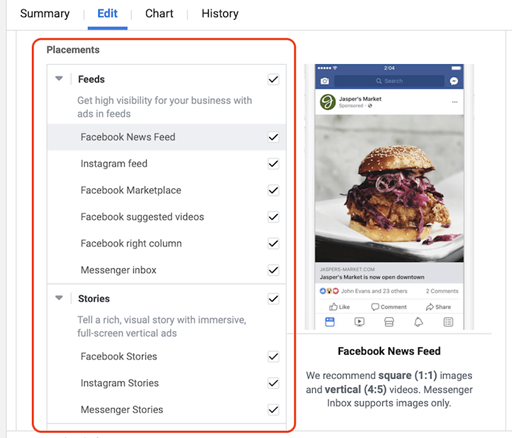
Especially with placements like Reels and Stories, opportunities to deliver better ad formats are expanding. If the main News Feed is competitive, you can always leverage the Audience Network or Messenger to reach individuals in spots your competitors aren’t utilizing.
TikTok Ads
On the other hand, TikTok Ads are focused primarily on the For You Page (FYP), Discover Tab, and the Global App Bundle (Pangle).
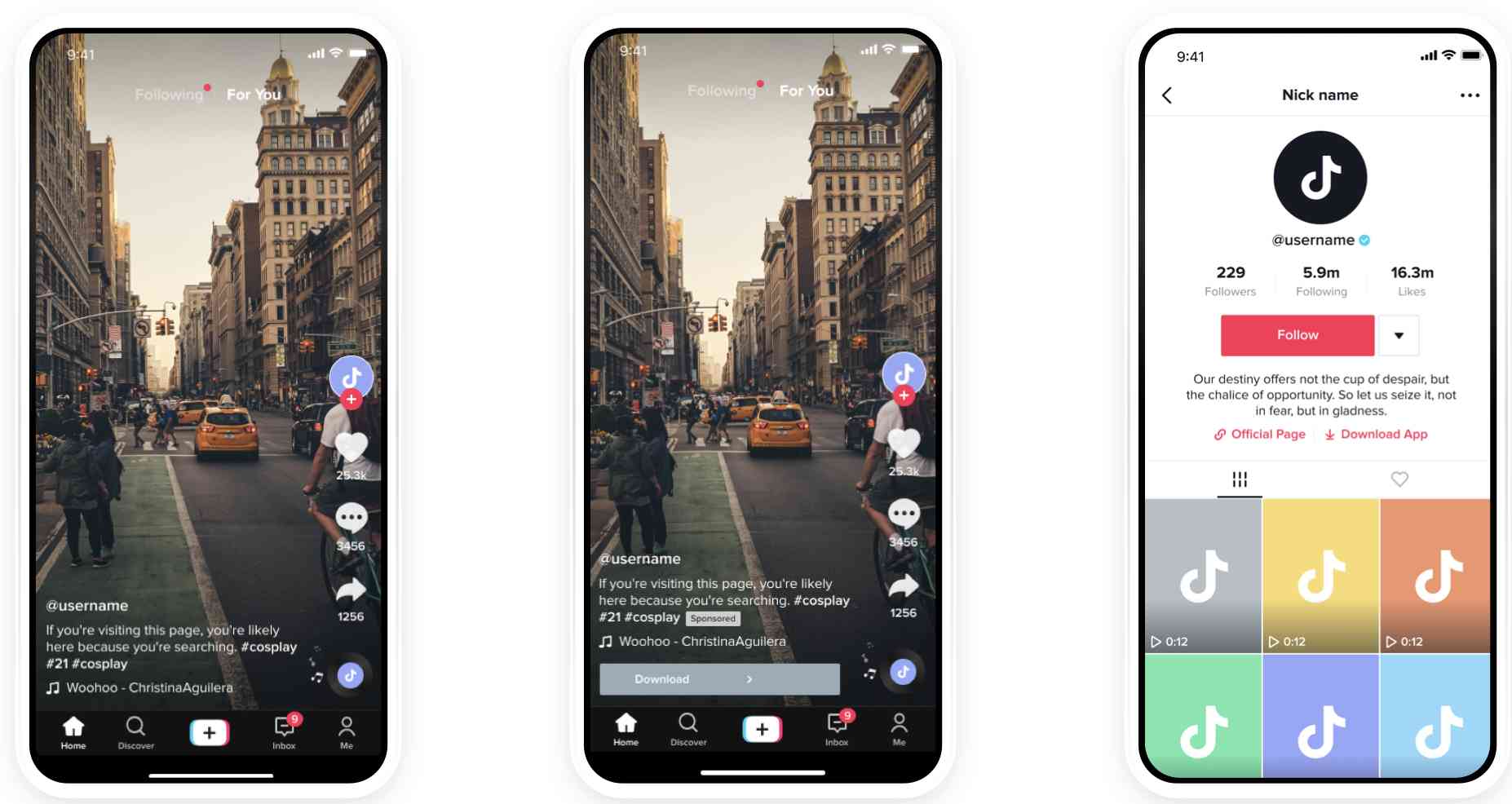
To resonate with TikTok audiences, you must deliver value quickly. TikTok has a unique advantage that Facebook is still chasing: the art of going viral organically through paid boosts (Spark Ads). This helps your videos appear to a mass amount of users regardless of when you posted them.
Repurposing TikTok content to Facebook Reels often works well. However, polished Facebook Ads rarely perform well on TikTok because the platform demands authentic, lo-fi aesthetics.
2. Types of ads
Facebook Ads
Whereas Facebook Ads has such a wide range of types, you can choose to do ads within images, slideshows, videos, carousels, and even stories. Facebook allows you to have a lot of different forms of content especially if your team is limited by resources.
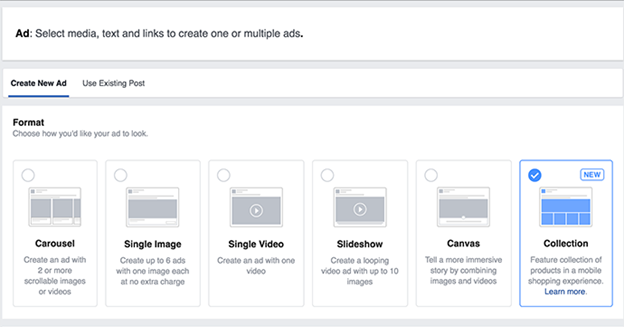
You really have a lot of different opportunities to be able to create content. And the barrier to entry is much lower for you to be able to actually get your Facebook ads up and running. This is why many people opt for Facebook ads because you can start advertising with just only one image.
TikTok Ads
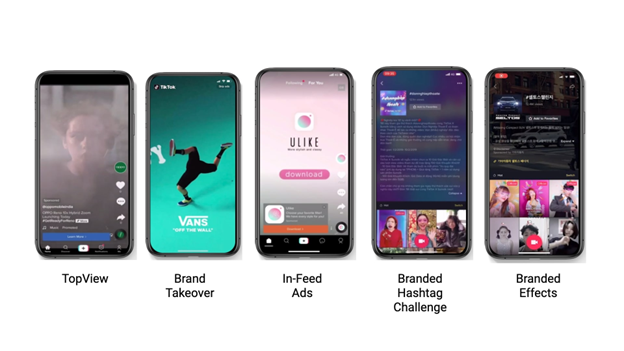
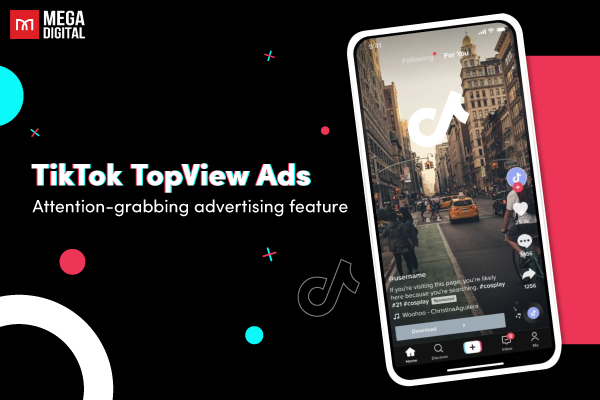
TikTok is strictly video-first. Key formats include In-feed ads, TopView, Branded Effects, and notably Spark Ads, which allow you to boost organic posts.
- Spark Ads: Leverage organic posts for higher authenticity.
- Video Shopping Ads: Link directly to products in TikTok Shop.
- Interactive Add-ons: Voting Stickers, Display Cards to boost engagement.
Because users scroll quickly, static images don’t work here. You must produce 9:16 vertical videos that feel native to the platform to keep users watching.
>>> Read more: TikTok Ad Types: All Formats Explained, Best Practices & Cost
3. Policies
Facebook Ads
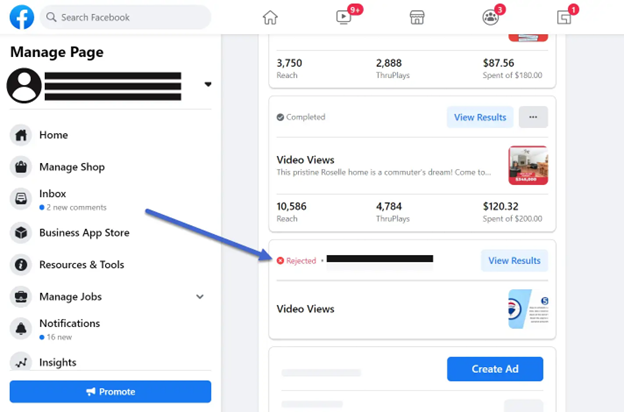
Compare to TikTok, Facebook ads are not very specific on the rejection reasons. Facebook just shows you the policy and doesn’t really tell you specifically what was wrong with your ad. This makes it problematic for advertisers to truly understand what they need to adjust. It’s much harder to reach for support unless you’re a Facebook partner.
TikTok Ads
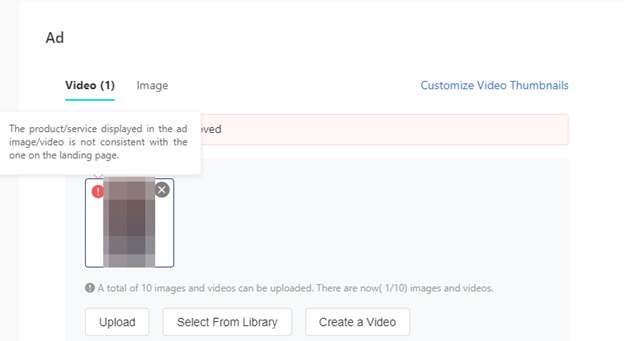
TikTok offers a more responsive support system for advertisers. If you encounter ad rejections or account issues, their support team often provides specific insights within 24 hours on how to fix the creative or landing page.
Pro Tip: For the fastest support and “whitelisted” features, use a TikTok Agency Account distributed by partners like Mega Digital. This allows for quicker resolution of issues like TikTok ads not approved or account suspensions.
4. Cost
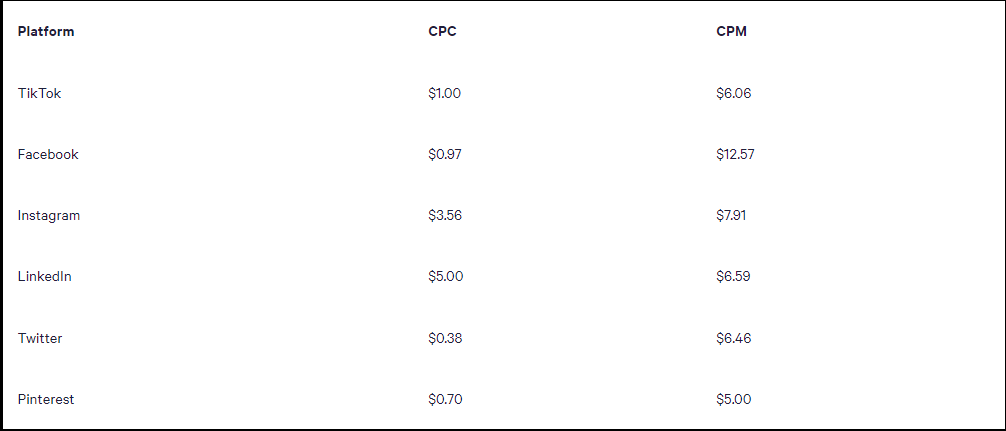
TikTok Ads’ cost and average CPM are significantly lower than Facebook Ads.
Industry Insight: “In 2026, TikTok CPMs remain significantly more affordable for top-of-funnel awareness, averaging 40-60% less than Meta placements. However, Meta continues to dominate in conversion-focused ROAS for high-value products.”, Social Media Trends Report 2026
Facebook Ads
To advertise on Facebook means you have to deal with a lot of competitors. In fact, there are over 10 million advertisers on Facebook until now. High competition, broader ad formats, and higher CPMs, but Facebook Ads offers you more precise audiences with detailed targeting. Here are some average costs on Facebook advertising you can reference:
- Cost Per Click (CPC): $0.50 – $5.00+
- Cost Per Mille (CPM): $12.00 – $25.00 (varies by region/industry).
- Ad Objective: Different objectives (e.g., awareness, consideration, conversion) can influence costs.
- Audience Targeting: Facebook’s robust targeting options can lead to varying costs depending on the specificity of the audience.
TikTok Ads
Unlike Facebook, TikTok’s lower metrics give advantages to beginners and new advertisers on this platform. With its algorithm and business model, TikTok Ads allow users to reach broader audiences, drive higher traffic, and start conversion faster. Just like Facebook, based on the campaigns we’ve conducted, we’ve also made estimations for the average costs on TikTok.
- Cost Per Click (CPC): On average, TikTok CPC can range from $0.20 to $1.00.
- Cost Per Mille (CPM): TikTok CPM can range from $4.00 to $9.00. (Source: Varos/Gupta Media 2026)
- Ad Objective: Similar to Facebook, the chosen objective affects costs.
- Audience Targeting: TikTok’s audience targeting options are evolving, and costs can depend on the reach and specificity of the audience.
>>> Read more: How Much Do TikTok Ads Cost? Is It Worth Investing in 2026?
5. Targeting & AI Trends
Facebook Ads
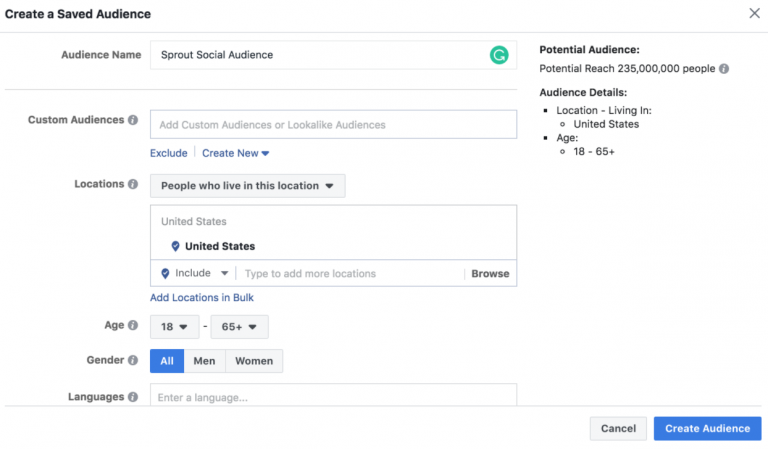
Facebook targeting is built on the Social Graph, who you are, who you know, and what you’ve done over the last decade. It excels at demographic precision. In 2026, Meta’s Advantage+ (AI-driven targeting) automates audience finding based on historical conversion data, making it incredibly stable for sales and requiring less manual tweaking.
TikTok Ads
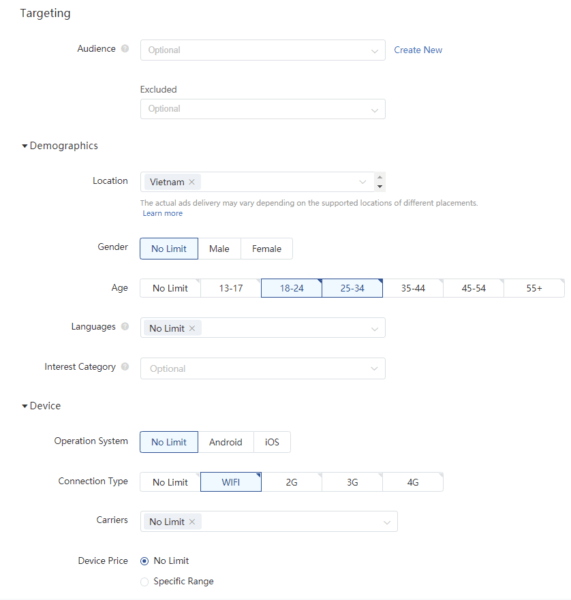
TikTok targeting is built on the Interest Graph, what you watch and how long you watch it. In 2026, TikTok has doubled down on AI with GMV Max (Gross Merchandise Value Max) automated campaigns, specifically designed to optimize for TikTok Shop sales. This allows brands to reach niche communities (like #BookTok) based purely on current behavior.
6. User Mindset
Facebook Ads
Users often scroll Facebook in “public mode” or to check updates from friends and family. A significant portion of content is consumed with Sound Off. Ads here need to be understandable visually (using captions and clear imagery) because users aren’t always looking to be entertained, they are looking to be informed or connected.
TikTok Ads
TikTok is a “sound-on” environment. Users open the app specifically to be entertained and discovered. The mindset is passive but immersive. They are ready to watch a story. eMarketer reports that US adults spend over 55 minutes per day on TikTok, significantly higher than the time spent on Facebook (~30 minutes), indicating a more attentive “Discovery Mindset.”
7. Ad Lifespan & Fatigue
Facebook Ads
Longer Lifespan. A winning creative on Facebook can run for weeks or even months before performance dips. Because the audience is vast and the placements are diverse (Feed, Right Column, Stories), ad fatigue sets in slower. This allows for more “set it and forget it” scalability.
TikTok Ads
Short Lifespan. TikTok is trend-based. A creative that performs amazingly today might burn out in 5-7 days. The high frequency of consumption means users get bored of seeing the same video very quickly. Advertisers on TikTok need a constant pipeline of fresh creatives to maintain performance.
8. Goals
Facebook Ads
Facebook is a Conversion Machine. Its mature algorithm makes it the go-to platform for bottom-of-the-funnel goals like Sales and Leads. It excels at retargeting users who have already engaged with your brand to close the sale.
TikTok Ads
TikTok is a powerhouse for Awareness and Discovery. The FYP algorithm allows brands to be discovered by completely cold audiences, creating viral moments. It is excellent for top-of-the-funnel strategies and triggering impulse interest.
Which one should you choose: TikTok Ads or Facebook Ads?
There is no single winner; the right choice depends on your business objectives. Use this checklist to decide:
| Decision Factor | Choose TikTok Ads If… | Choose Facebook Ads If.. |
| Content Capability | You can produce fast-paced, authentic video content (UGC). | You prefer using static images, carousels, or polished assets. |
| Primary Goal | You want to reach a massive audience quickly (Brand Awareness) & TikTok Shop Sales. | You need consistent scalability & high-ticket conversions. |
| Target Audience | Your target audience is Gen Z or Millennials. | You want to reach a wider, mature audience (30+ years old) & Professionals. |
| Budget Strategy | You have a limited budget and want to maximize impressions. | You want to drive sales for high-ticket products or B2B services. |
| Industry Fit | F&B, Fashion, Beauty, Lifestyle, Entertainment. | Real Estate, B2B SaaS, High-end Furniture, Professional Services. |
Combining TikTok Ads & Facebook Ads for Success
Instead of choosing one platform over the other, the most profitable strategy in 2026 is a hybrid full-funnel approach. By integrating TikTok’s viral discovery engine with Facebook’s precision conversion tools, you create an ecosystem that outperforms single-channel campaigns.
Here is how to execute this multichannel approach:
Drive Cheap Traffic with TikTok (Top of Funnel)
Use TikTok Ads to cast a wide net. Since CPMs are 40-60% lower ($4-9 vs $15+), use engaging, entertaining creative (Spark Ads) to drive massive amounts of traffic to your website. Focus on objectives like Video Views or Traffic to populate your site with visitors.
Capture Intent with Cross-Platform Pixels
Ensure both your TikTok Pixel and Facebook Pixel (CAPI) are installed correctly. This is crucial. Even if users don’t buy immediately from the TikTok ad, the Facebook Pixel will “tag” them as a website visitor, effectively capturing the audience you acquired cheaply from TikTok for later use.
Retarget on Meta (Bottom of Funnel)
Create a Retargeting Campaign on Facebook and Instagram. Target the custom audience of “Website Visitors” that you built via TikTok. Serve them high-conversion ad formats like Advantage+ Catalog Sales, Lead Forms, or Testimonials. Since these users already know your brand, they are much more likely to convert.
Test AI-Driven Campaigns
Don’t rely solely on manual targeting.
- On TikTok: Test GMV Max campaigns for e-commerce to let TikTok’s AI find the best buyers.
- On Meta: Use Advantage+ Shopping Campaigns to automatically optimize your creative delivery to the most likely converters.
>>> Read more: Google Ads vs TikTok Ads: Which is better for advertising?
Conclusion
Choosing between TikTok and Facebook Ads isn’t about picking a winner. It’s about aligning with your goals. TikTok drives viral awareness and social commerce, while Facebook delivers steady conversions. To dominate 2026, the smart move is to leverage both. Contact Mega Digital today for expert strategy and exclusive agency ad accounts.