
TikTok gives musicians a chance to introduce their songs to new listeners, connect with fans, and build an audience beyond their existing followers. While going viral is never guaranteed, the right content and promotion strategy can help your music get discovered.
In this guide, Mega Digital explores how to promote your music on TikTok through engaging videos, artist-specific tools, fan challenges, and optional paid advertising.
Quick summary:
Want to get your music heard on TikTok and grow your fanbase? Here’s what musicians need to know:
- Why TikTok matters: Reach new listeners, showcase your music, and build connections with fans through engaging content.
- 4 music promotion tips: Create compelling videos, launch music challenges, use relevant hashtags, and explore TikTok Ads.
- Promote your releases: Set up your artist profile, test song snippets, encourage fan participation, and track performance.
- Learn from successful artists: Discover how Lil Nas X, Tyla, and Doja Cat used TikTok trends to help their songs gain popularity.
Why is TikTok Powerful for Musicians?
TikTok works more effectively for musicians than just boosting their product, below are some great benefits they offer.
Affordable Marketing
TikTok stands out because it does not require much to create content. This character allows unknown artists to market their music with little or even no money. The app promotes diversity for beginners by featuring filters, effects, and snippets that boost creativity, producing influential content that can become trending on social media.
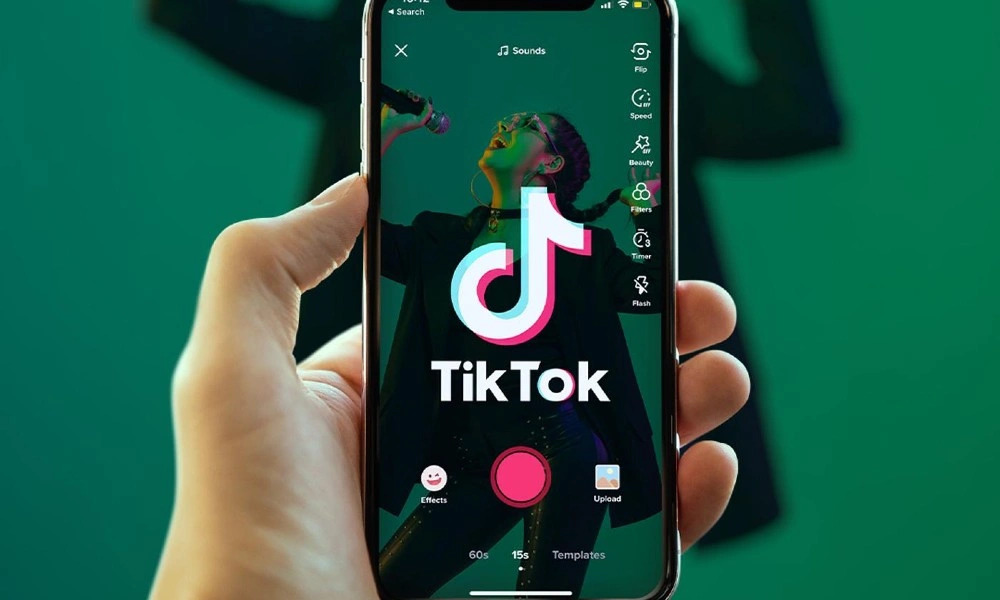
TikTok’s content discovery system also gives emerging musicians opportunities to reach people who don’t already follow them. However, how widely a video is distributed depends on factors such as content relevance and audience response, rather than an artist’s ability to go viral automatically.
For independent musicians, this makes TikTok a practical place to experiment with song snippets, performances, and behind-the-scenes content without investing in expensive music videos. The actual cost depends on your production needs and whether you choose to use paid promotion.
Direct Fan Engagement
TikTok allows musicians to interact with their audience directly through comments, duets, and live performances. This connection develops a strong sense of community and loyalty among fans, encouraging them to share and promote the musician’s work organically. These features make TikTok a vital platform for musicians wishing to grow their reach while interacting with fans creatively.
Viral Potential with Short-Form Content
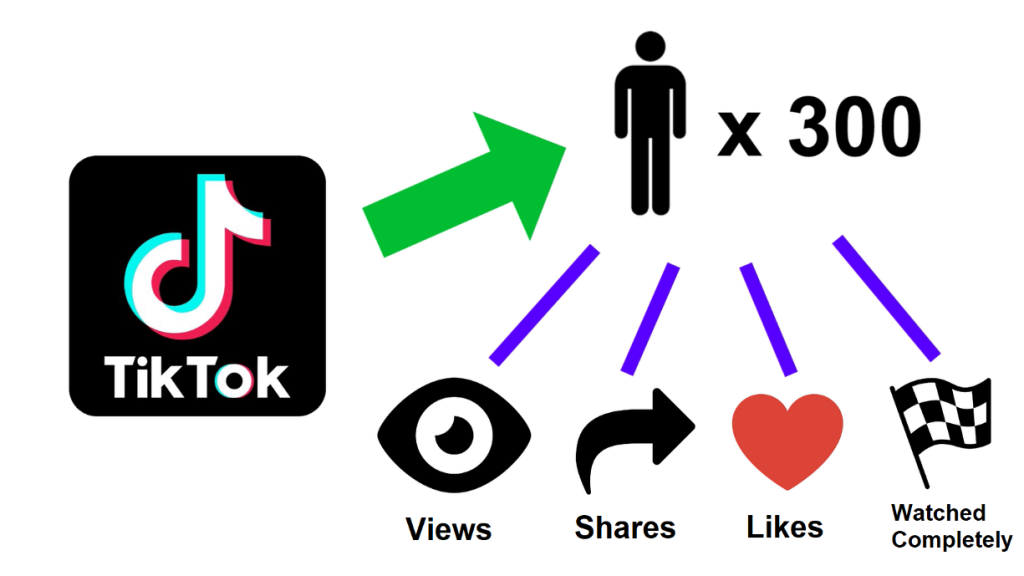
Another significant advantage of TikTok for music artists is its viral potential. TikTok’s algorithm is designed to promote engaging content, allowing musicians to go viral quickly with just a catchy snippet of their music. This means your content can be shared quickly with a larger audience without the requirement for a full-length music video.
The platform also allows musicians to test new material and ideas, and if viewers like them, these snippets can quickly gain popularity and reach a global audience, delivering unprecedented exposure.
Discoverability Through Trends and Challenges
Musicians can completely boost their visibility by joining or creating trending challenges and hashtags. This discoverability function lets musicians tap into TikTok’s massive user base, reaching new listeners who might not have discovered their music otherwise.
How to Set Up TikTok to Promote Your Music
Before promoting a new release, make sure listeners can find your official music and recognize your artist profile.
- Make your music available on TikTok: Work with a music distributor or other authorized distribution partner to deliver your officially released tracks to TikTok’s music library. Uploading a regular video that contains your song does not automatically distribute it as an official track or establish the necessary music rights.
- Set up your artist profile: If eligible, apply for a certified Artist Account through the artist tools available in TikTok Studio or Artist Hub. Follow the verification and approval steps shown for your account.
- Review your Music Tab: Once your music and artist profile are connected, check whether your released tracks appear in your Music Tab. Where available, use song-pinning features to highlight the track you’re currently promoting.
- Explore TikTok for Artists: Eligible artists and their teams can access insights about song performance, posts, and audience engagement. Check availability in your country and account before relying on specific features.
- Prepare your release destination: Make it easy for interested listeners to find your official song, artist profile, or streaming links through the profile features available to you.
For upcoming releases, eligible artists may also explore TikTok for Artists’ Pre-Release tools, which support certain album pre-save campaigns. Availability and requirements depend on the account, release, and supported services.
Getting these basics right helps connect your promotional videos to your actual music, so interested viewers have a clearer path to discovering more of your work.
Best TikTok Ad Types for Music Artists
The best TikTok advertising approach depends on what you’re trying to achieve, whether that’s introducing a new song, attracting listeners to your artist profile, or encouraging fans to engage with your content.
For independent musicians, start by testing organic videos to see which song snippets and creative ideas resonate with viewers. If you have a suitable budget and the necessary music rights, paid promotion can help you extend the reach of selected content.
Here are the main options to consider:
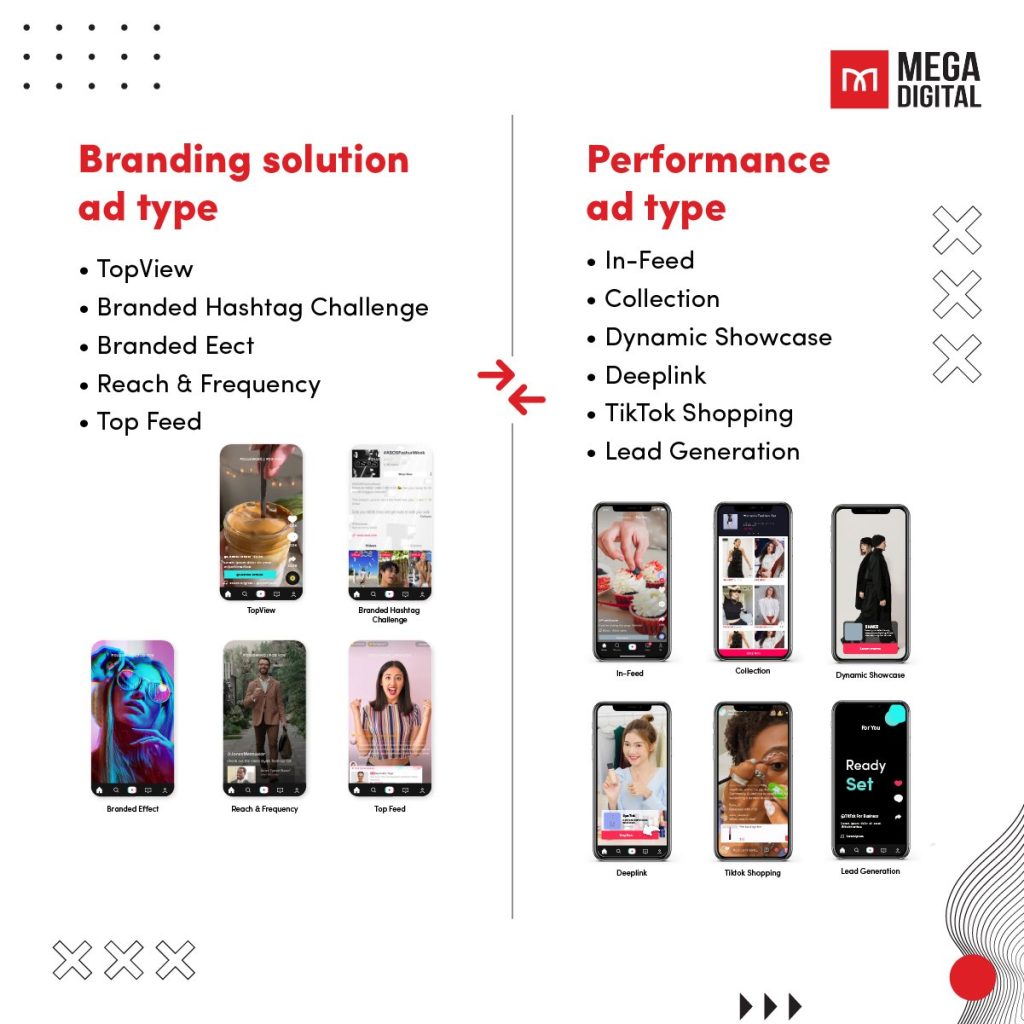
- TikTok Promote: An in-app tool for promoting eligible existing videos. Depending on available objectives, it can help you reach more viewers, attract profile visits, or direct people to a supported destination.
- In-Feed Ads: Video advertisements that appear within TikTok’s feed. These can be useful when you want greater control over campaign setup and measurement.
- Spark Ads: A paid advertising option that can use authorized organic TikTok posts, allowing artists to promote suitable existing content while retaining its connection to the original post.
- Premium brand placements: Large-scale advertising products may be considered by established artists or labels with substantial campaign budgets, depending on availability and commercial terms.
These are different advertising approaches, not interchangeable ad formats. Choose based on your release goals, content rights, available budget, and the advertising features supported by your account.
TikTok In-Feed Ads (Most recommended)
TikTok In-Feed Ads appear within users’ feeds and can resemble regular TikTok videos, making them a useful option for showcasing music clips, performances, and release announcements.
For music promotion, test different video lengths based on your song, creative concept, and audience response. A short, memorable chorus might work well for one campaign, while a performance or storytelling video may benefit from more time. There’s no single duration that guarantees better results.
Advertising costs depend on your target market, audience, campaign objective, auction competition, and budget. Instead of relying on a fixed CPM estimate, monitor actual delivery, cost per result, and relevant engagement metrics to decide whether the campaign is worth continuing.
TikTok TopView Ads
Premium advertising placements, such as TopView or other reservation-based options where available, can provide prominent visibility for major music releases. However, these products have specific availability, buying requirements, and commercial terms that vary by market.
For independent musicians with limited budgets, premium placements are generally not the first option to explore. Start with organic content, eligible Promote campaigns, or standard TikTok Ads Manager campaigns before considering large-scale media buys.
Branded Hashtag Challenges
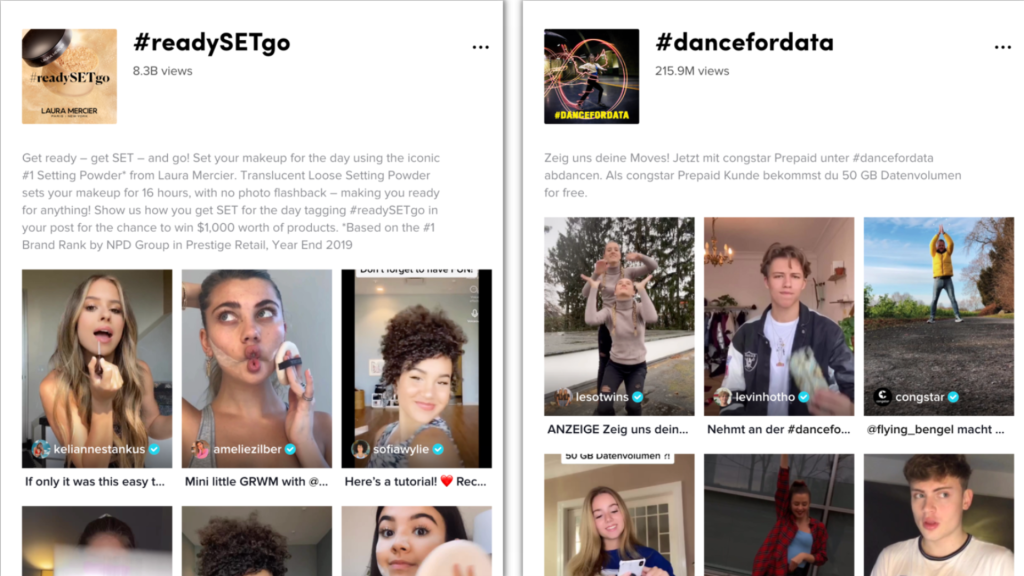
Branded Hashtag Challenges are designed to encourage participation around a campaign theme, often using creative prompts that viewers can recreate with a song. Availability, campaign packages, and pricing depend on TikTok’s current commercial offerings and the target market.
These campaigns are more relevant to large-scale artist or label promotions than to a typical independent musician’s first release. If you’re working with a limited budget, consider encouraging organic participation through an easy-to-follow music challenge before exploring paid branded campaign options.
Cost to Run TikTok Ads for Musicians
To effectively boost your TikTok for music artist account and expand your fan base, it’s essential to understand the costs related to running TikTok ads.
Your TikTok advertising budget should depend on your release goals, available resources, and the type of promotion you choose. There is no universal rule requiring musicians to spend $1,000 in their first month.
TikTok Promote vs. Ads Manager
- TikTok Promote: If eligible, you can promote an existing public video using the budget and duration options available in the app. This may be a practical starting point for testing a song snippet that has already attracted organic interest.
- TikTok Ads Manager: Standard campaigns have platform minimum budget requirements. TikTok’s published guidance specifies that campaign-level budgets must exceed $50, while ad group daily budgets must exceed $20, in USD or the applicable equivalent. Different budget types and campaign configurations have additional requirements.
These are platform setup requirements, not recommended monthly spending amounts or guarantees of sufficient results.
Before launching a paid campaign, decide what you want to measure. For example, you might focus on video views, artist profile visits, new followers, or clicks to an official music release page, depending on the objective and tracking options available.
Set a spending cap you can afford, test a small selection of relevant creatives, and review the cost and quality of the resulting engagement before committing to a larger campaign.
Once you’ve gathered data and insights from your initial campaigns, gradually increase your budget to ensure a consistent and strategic approach that builds recognition and fosters engagement with your music.
Read more: TikTok Ads Cost: How Much Should You Budget for Your Campaigns?
4 Tips To Boost TikTok for Musicians
Below are 4 tips that Mega Digital suggests to boost TikTok for musicians and make your music go viral!
1. Produce Engaging Content
The key to success on TikTok is creating engaging content, including videos that highlight your music and talents. You can share clips of live performances, behind-the-scenes footage of your recording sessions, or even short tutorials on how you create your music to interact with your fans.
To make your video more interesting and visually appealing, use TikTok’s effects, filters, and music snippets to make your videos more engaging. Besides, don’t forget to produce and post your videos regularly with a fixed timeline and interact with your audience by responding to comments to increase engagement with your audience.
2. Create a TikTok Challenge with Your Music
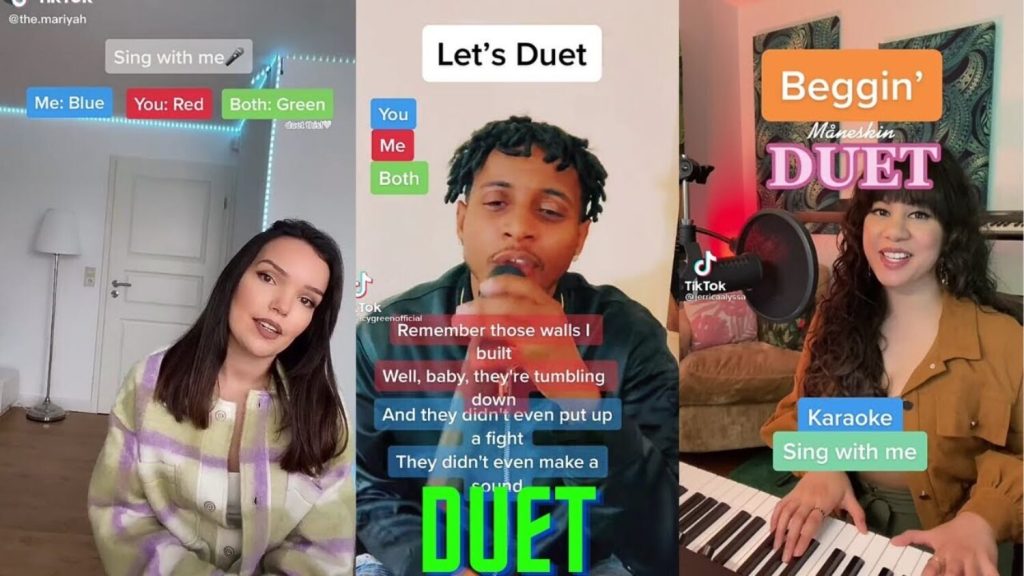
TikTok music helps create viral challenges. To start an attractive challenge, make sure it is entertaining and easy to understand. Your first video should describe the challenge and its rules. Here are some forms of challenges that work well for music artists:
- Dance Challenges: Create a simple and catchy dance tutorial for a part of your song and show it in your video, then encourage others to copy it.
- Lip Sync Challenges: Invite your followers to lip-sync to a viral part of your song like the chorus. This is a great way for people to engage with your music in a fun and personal way.
- Cover Challenges: Encourage your audience to perform their own versions or covers of your song. This challenge can create different versions of your song and reach more audiences.
- Creative Challenges: Encourage fans to create any type of content (e.g., art, skits, or fashion) inspired by your music. This challenge invites your fans to engage with your music in more diverse ways than just listening.
- Duet Challenges: Duet with your fans is also an interesting way to boost interaction. You can post a video where you sing or play half of a song, and invite your followers to complete the duet with their own performances.
Once you’ve planned your challenge, choose a recognizable part of your song that fits the activity and demonstrate it in your own video. There’s no required clip length or number of participating videos that guarantees a trend will take off.
Make the challenge easy to understand, invite friends and fans to participate voluntarily, and engage with their contributions. If you collaborate with creators through paid or incentivized arrangements, make sure the partnership follows applicable disclosure requirements and music usage permissions.
Focus on making participation enjoyable and relevant to your song rather than trying to reach an arbitrary number of videos.
3. Select the Right Hashtag
Hashtags help describe your music and connect your videos with relevant topics on TikTok. For musicians, useful hashtags might reference your genre, artist identity, song title, or the type of content you’re sharing.
For example, an indie band could use #IndieRock for a live performance, while a songwriter might use #Songwriting to share the story behind a new track. Broad hashtags such as #fyp do not guarantee additional reach or placement on the For You feed.
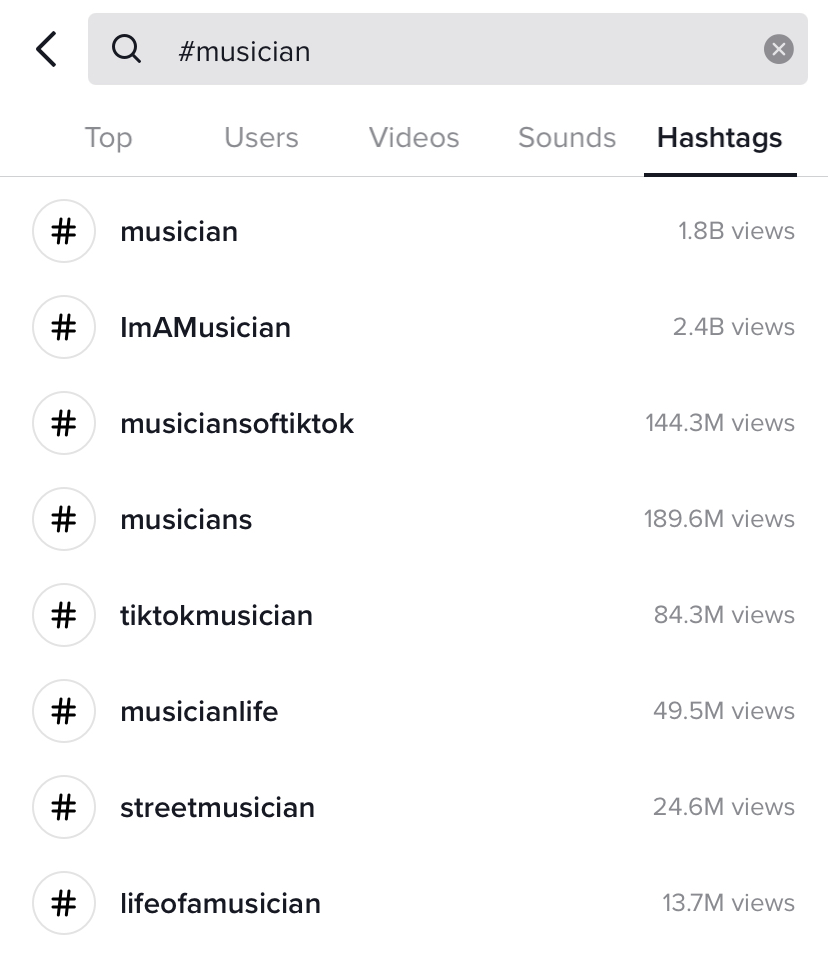
When choosing hashtags, prioritize relevance over popularity. Use TikTok Search or available trend-discovery tools to find terms related to your genre, music style, or current release.
Combine relevant music-related hashtags with more specific terms that accurately describe the video. Trending hashtags can be useful when your content genuinely connects to the trend, but adding popular tags alone won’t make an unrelated song more discoverable.
For example, if you’re a pop artist promoting a new single, you could use #PopMusic or #NewMusic alongside a consistent hashtag for your song title or artist name. This helps viewers recognize the release and find related content, without guaranteeing that the track will go viral.
Hashtag trends change over time, so check their current relevance before posting. Use a small, purposeful selection of hashtags that describe your music and video rather than following a fixed ratio of trending to niche tags. Review the content and audience response to understand which topics are worth exploring further.
4. Use TikTok Ads
TikTok Ads can help musicians extend the reach of their content, but paid promotion works best when you have a clear goal and something worth promoting.
Before launching a campaign, identify what you want listeners to do, such as watch a performance, visit your artist profile, or explore an official music release. Make sure your creative is suitable for advertising, you have the necessary music rights, and your budget meets the requirements of your chosen advertising option.
Start with content that has shown promising organic engagement, then review the results before increasing your investment. If you need support with campaign planning or execution, consider professional advertising assistance based on your goals and available resources.
How to Measure Your TikTok Music Promotion Results
A video getting thousands of views doesn’t necessarily mean your music is gaining engaged listeners. To understand what’s working, track the actions that matter to your music career.
- Song discovery: Check how many TikTok posts use your official track and how people engage with those posts, where artist analytics are available.
- Content performance: Monitor video views, watch time, completion rates, comments, shares, and saves where supported.
- Fan engagement: Review artist profile visits, follower growth, and meaningful interactions with your content.
- Listener actions: Track clicks to your official music release or streaming links when the relevant tools are available. Compare these results with data from your music distributor or streaming analytics.
- Paid campaign results: If you run ads, monitor impressions, cost per result, clicks, and other metrics supported by your campaign objective.
TikTok engagement and advertising metrics should not be treated as equivalent to confirmed music streams or revenue. Use the appropriate reporting sources to assess each outcome.
Important note on music rights: Even if you wrote or performed a song, make sure you have the necessary rights to use both its composition and recording in promotional content or paid advertising.
TikTok’s Commercial Music Library provides music cleared for certain commercial uses. Music outside that library may require additional rights or permissions, depending on how it is used.
Success Stories of Tiktok for Musicians
Despite its playful vibe, it’s hard not to take TikTok seriously since it has become a launchpad for many music artists, turning viral moments into mainstream success. Let’s have a look at some cases we found gained global fame thanks to TikTok
Lil Nas X: TikTok’s Breakout Star
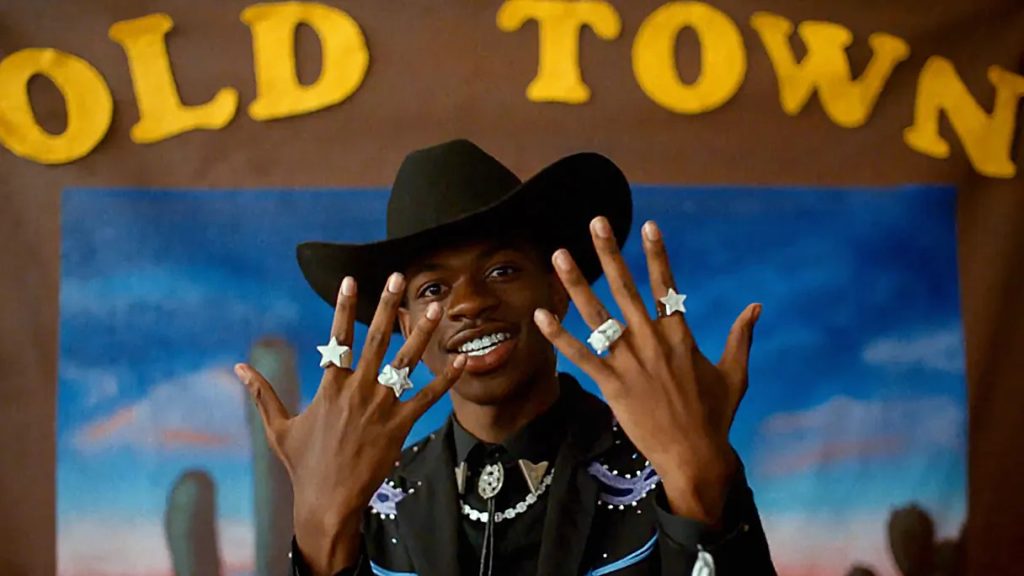
Lil Nas X’s “Old Town Road” is one of the most recognizable examples of TikTok’s role in music discovery.
The song, first released in 2018, gained significant attention on TikTok in early 2019 as users incorporated its country-trap sound into cowboy-themed memes and transformation videos. Lil Nas X had also been experimenting with different ways to promote the track online, but audience participation helped bring the song to new listeners.
As more creators used the sound, listeners began searching for the full track on streaming platforms. The song’s success continued beyond TikTok through broader distribution, media attention, and a remix featuring Billy Ray Cyrus.
In 2019, “Old Town Road” spent a record-breaking 19 weeks at No. 1 on the US Billboard Hot 100.
What musicians can learn: A memorable song excerpt combined with a creative format that people want to recreate can help introduce music to new audiences. However, TikTok participation was one part of a wider success story, and similar results cannot be guaranteed for other artists.
Tyla: From Viral Trend to Chart Success
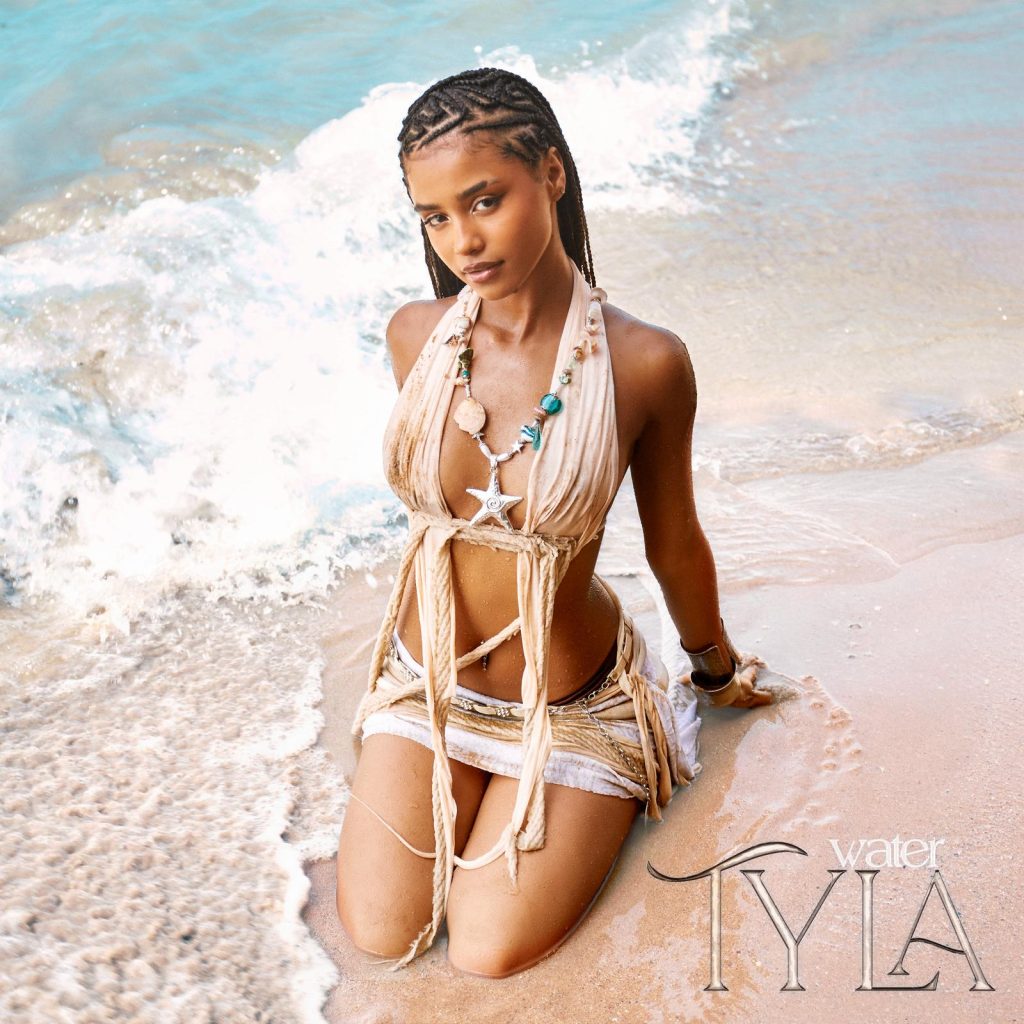
South African singer Tyla attracted international attention with her 2023 single “Water,” supported by a dance challenge that gained popularity on TikTok. The choreography inspired fans and other creators to share their own versions, helping the track reach audiences beyond Tyla’s existing following.
The song went on to achieve major chart success, reaching No. 7 on the US Billboard Hot 100 in early 2024. TikTok participation contributed to its growing visibility, alongside the song’s wider promotion and music industry support.
What musicians can learn: A recognizable performance or dance can give listeners a creative way to participate in a song’s promotion. The goal is to make your music engaging and easy to discover, not to assume every challenge will become viral or translate into chart success.
Doja Cat: Using Memes to Drive Song Popularity
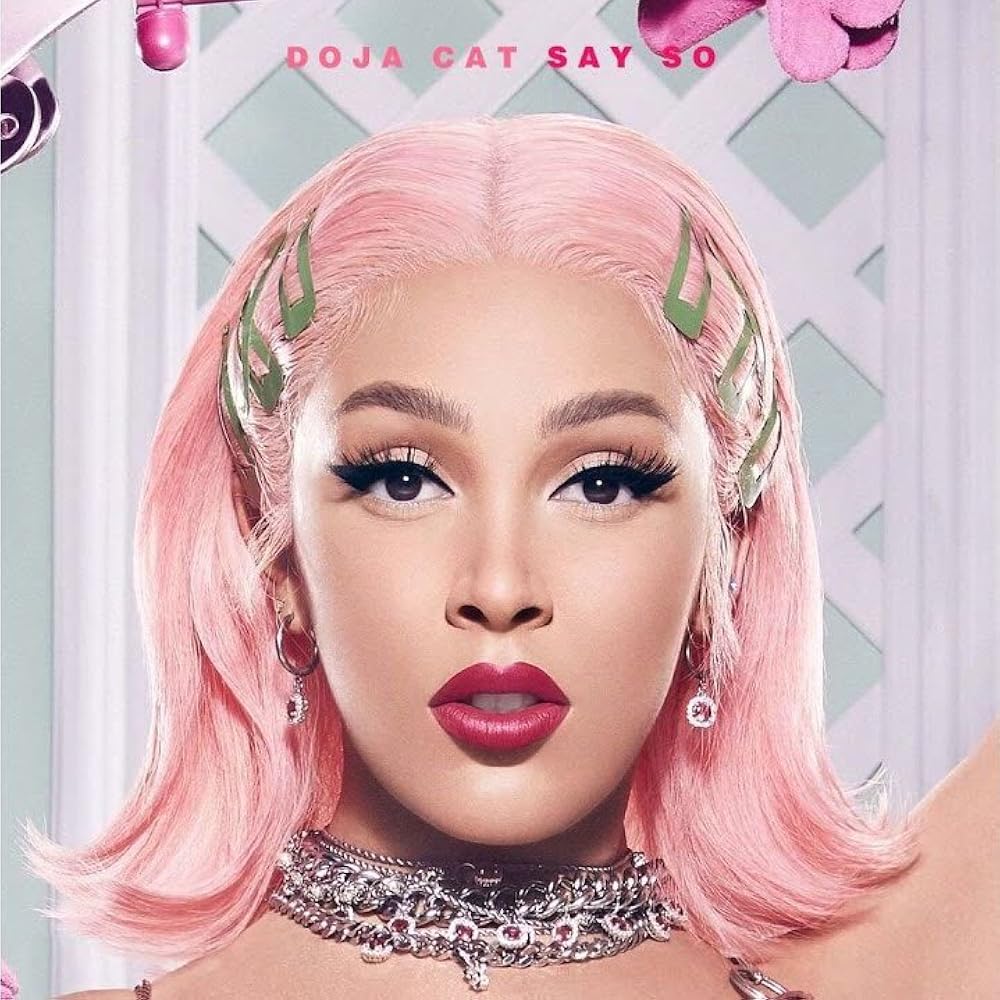
Doja Cat’s hit song “Say So” exploded on TikTok, thanks to a dance challenge that went viral. The catchy dance quickly became a meme, spreading across the platform. People around the world joined in, leading to millions of views and a surge in the song’s popularity.
TikTok’s dance trend contributed to the growing popularity of “Say So,” but the song’s commercial success also involved broader promotion and a remix featuring Nicki Minaj. The remix helped the track reach No. 1 on the US Billboard Hot 100 in May 2020.
For musicians, the example shows how user-generated content can become part of a wider music promotion strategy, rather than guaranteeing chart success on its own.
Read more: TikTok for Bands: Effective Tips for Your Music Promotion
Wrap-up
Promoting your music on TikTok takes more than hoping for a viral hit. Start with memorable song snippets, create content that invites genuine fan participation, and use relevant challenges and hashtags to make your music easier to discover.
If paid promotion fits your goals and budget, test it carefully and measure the results. Keep learning from your audience, refine your approach, and focus on building connections with listeners who want to hear more of your music.