

A Google Ads landing page can make the difference between a paid click and a real conversion. Even a well-optimized ad can underperform if the page is slow, confusing, or does not match what users expect. This guide explains how to build a landing page that meets Google Ads requirements, creates a better user experience, and turns more clicks into customers.
Quick summary:
- A strong Google Ads landing page should closely match the ad message and search intent.
- Clear headlines, focused content, trust signals, and a visible CTA help reduce friction and encourage conversions.
- Landing pages should load quickly, work well on mobile devices, and meet Google’s destination requirements.
- Tracking and testing landing page performance helps identify problems and improve conversion results over time.
What is a landing page in Google Ads?
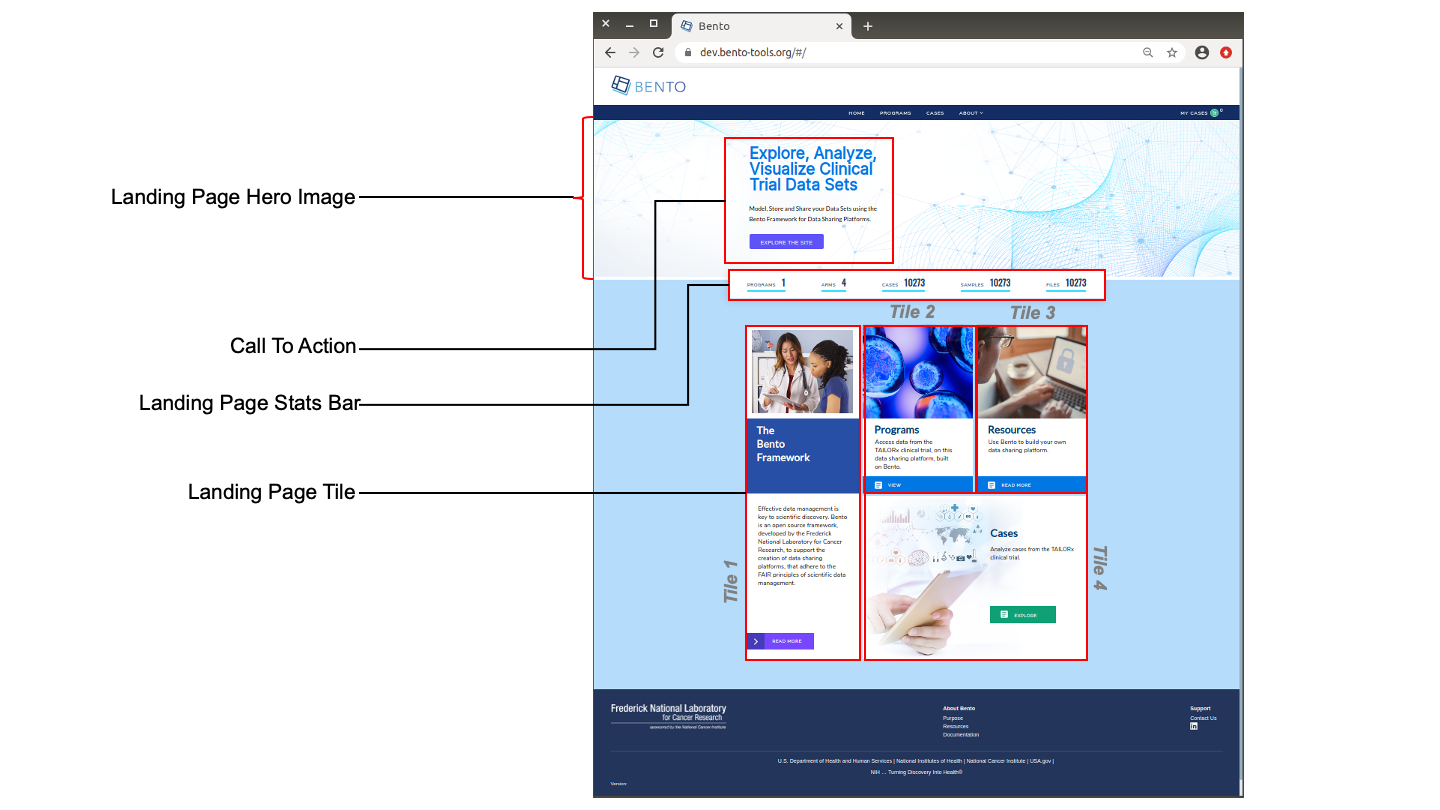
A landing page in Google Ads refers to the specific webpage where users are directed after clicking on your ad. Typically, the URL of this page matches the final URL of your ad.
- Each ad has a specified final URL that determines the landing page.
- Google requires the landing page and display URL (the webpage displayed in your ad) to have the same domain.
- The Google Ads landing page experience refers to various factors that impact a keyword’s Quality Score. It encompasses the usefulness and relevance of information, ease of navigation, the number of links, and alignment with user expectations set by the ad.
The essential components of an effective landing page include:
- Main and supporting ads headline
- Unique selling proposition
- Benefits of your offering
- Images or video
- Social proof
- Call to Action (CTA)
Google Ads landing page requirements
When a landing page doesn’t match your ad or users’ expectations, people are more likely to leave without taking action. A good landing page should be relevant, accessible, easy to use, and consistent with what your ad promises.
Mega Digital provides an overview of the key requirements below to help you create a better landing page experience.
General Google Ads landing page requirements
For most Google Ads campaigns, make sure your landing page:
- Uses the same domain as the display URL shown in your ad.
- Is live, accessible, and free of errors.
- Matches the message and offer shown in your ad.
- Avoids unexpected redirects to unrelated domains.
- Works properly across desktop, mobile, and tablet devices.
- Makes it easy for visitors to find information and complete the intended action.
Additional requirements for Shopping ads
If you run Shopping ads or use Google Merchant Center, your landing page should also match the product information submitted in your product data.
Display product information clearly
Provide full product information
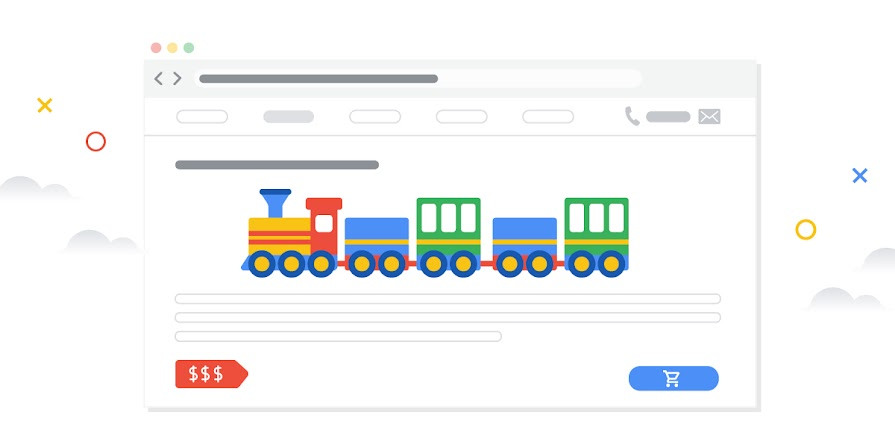
Make sure that information matches what you provided in your product data. This includes the title, description, image, price, currency, availability, and a buy button. While the title, description, and images don’t have to be exactly the same as in your product data, they should still refer to the same product.
Focus on the advertised product
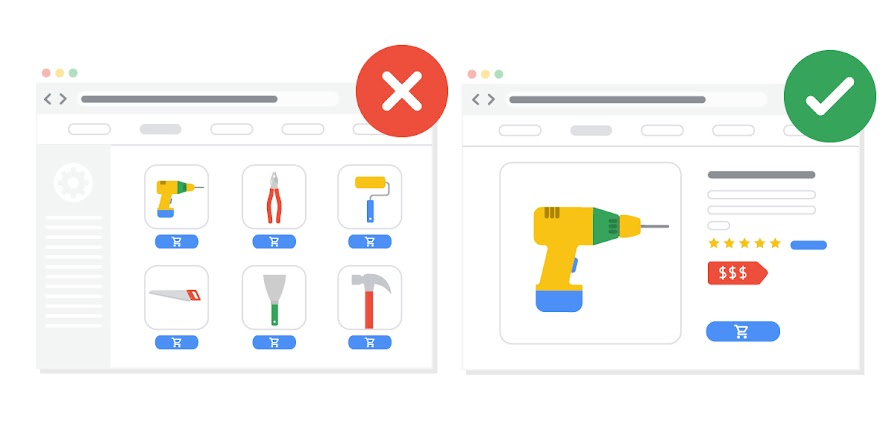
If your landing page includes multiple products, such as different versions or similar items, the product specified in your product data should be the most prominent one. Avoid using landing pages that display a collection of products or search results.
Display the product price clearly
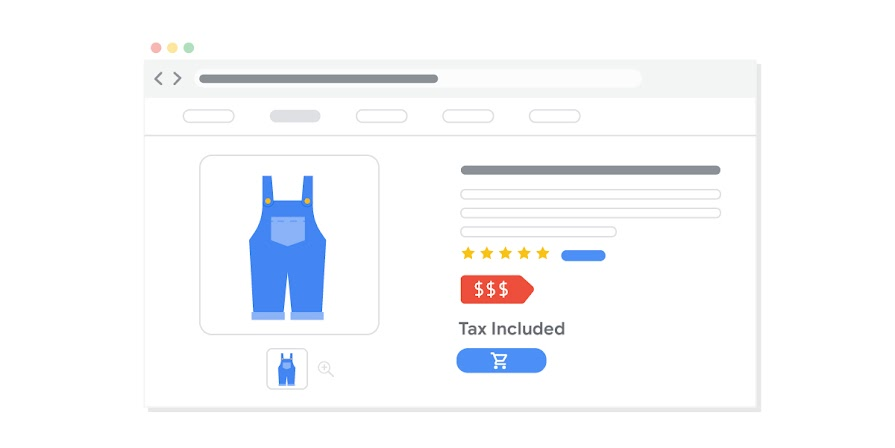
Make the price visible and ensure it matches the price specified in your product data. If there are multiple prices on the landing page, the advertised product’s price should be the most prominent.
- If your target country requires tax to be included in the product price, display the tax-inclusive price on the landing page and submit the same price in your product data.
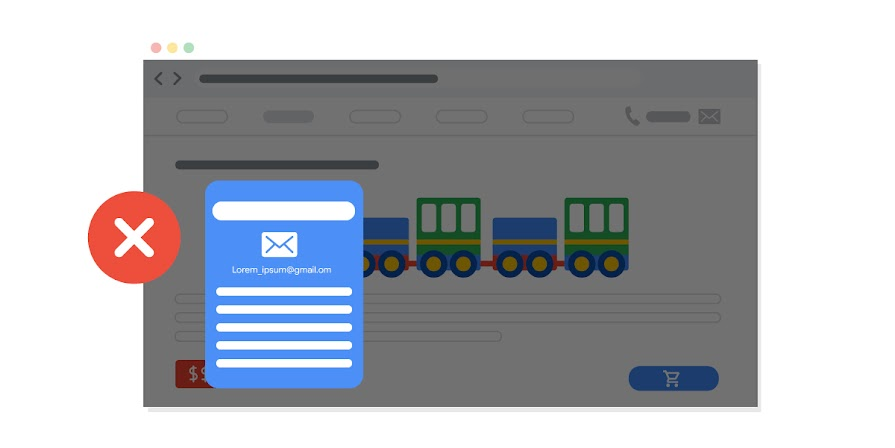
- Avoid layouts that hide important information behind pop-ups or download banners.
- Ensure any legally required redirects, such as age verification, do not interfere with the user experience.
Match the landing page to the product
Show a product on your landing page that closely matches the product submitted in your product data, regardless of user factors or ad targeting.
Deliver a consistent user experience
- Ensure consistent content on landing pages across all locations.
- Display the same language and currency as your product data.
- Maintain accurate availability and pricing information.
- Match product conditions and comply with local regulations.
Make sure your pages are functioning correctly
- Ensure your landing page is live and error-free.
- Avoid using files or emails as landing pages.
- Make sure your landing page is responsive and works properly across devices.
- Allow users to use the back button without unexpected behavior.
- Only link to the domain registered in your Merchant Center account and avoid redirecting users to unrelated external websites.
How to build a landing page
A Google Ads landing page should focus on one clear conversion goal and match the intent behind the ad click. Here are the key steps to build one effectively:
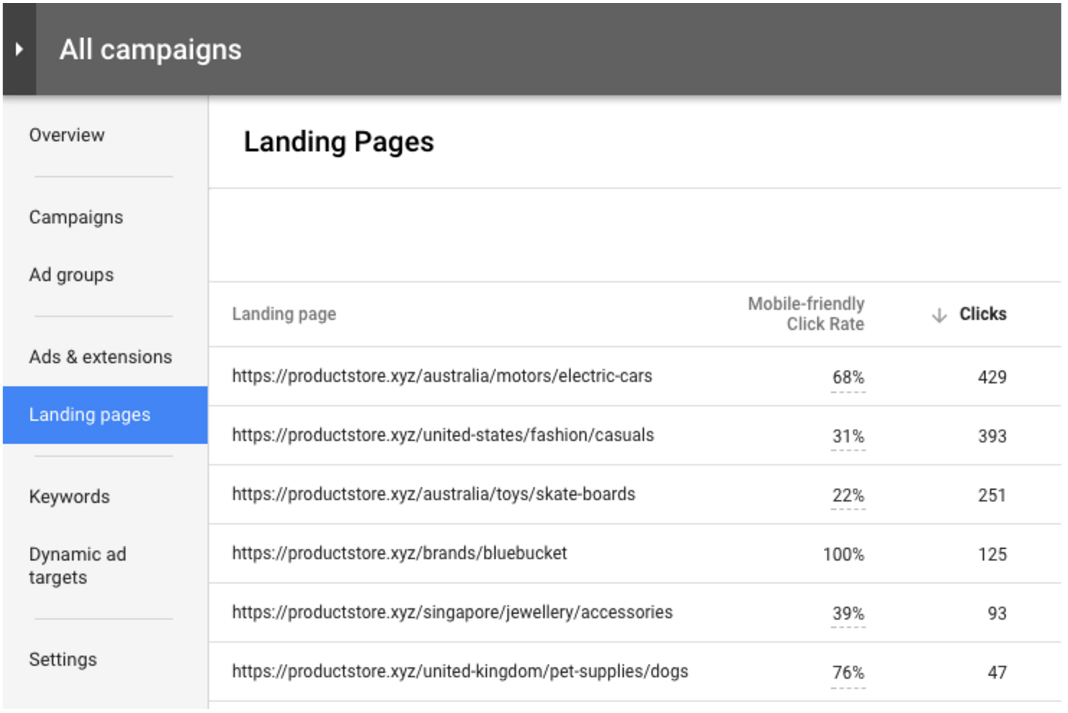
- Define your conversion goal: Decide what you want visitors to do, such as making a purchase, submitting a form, booking a consultation, or signing up. Keep one primary action so the page does not distract users with competing CTAs.
- Understand your audience and search intent: Review keywords, search terms, customer pain points, and competitor pages to understand what users expect after clicking your ad.
- Match the landing page with your ad: Keep the headline, offer, and core message consistent with the ad. If the ad promotes a specific product, service, or discount, make sure users can find it immediately on the landing page.
- Build a clear and focused layout: Use a strong headline, concise benefits, relevant visuals, trust signals, and a visible CTA. Remove unnecessary navigation or content that does not support the main conversion goal.
- Optimize for mobile and page speed: Make sure the page is responsive, easy to read, and simple to interact with on smaller screens. Compress heavy assets and remove unnecessary scripts that may slow down loading.
- Set up conversion tracking before launch: Track actions such as purchases, form submissions, calls, or sign-ups through Google Ads or Google Analytics so you can measure actual landing page performance.
- Test and improve over time: Experiment with elements such as headlines, offers, forms, CTA copy, and page structure. Evaluate changes using metrics like conversion rate, cost per conversion, and conversion value rather than clicks alone.
How to add a landing page in Google Ads
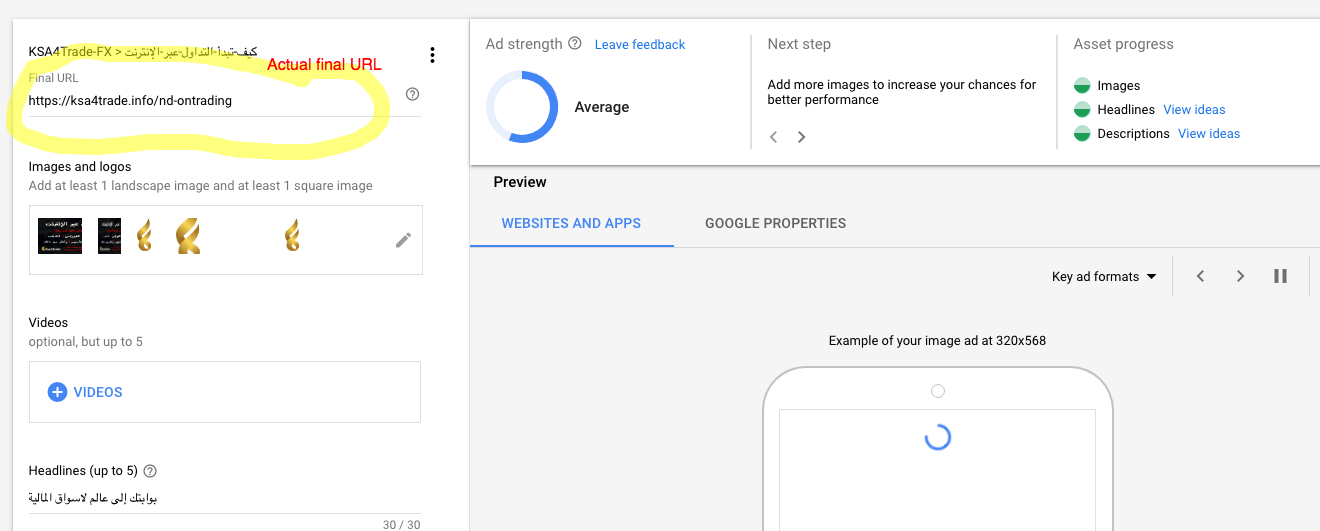
You can set a specific landing page for a keyword by adding a Final URL in Google Ads. Here’s how:
- Step 1: Sign in to your Google Ads account. Go to Campaigns > Audiences, keywords, and content > Search keywords.
- Step 2: Add the Final URL column if it is not already visible.
- Step 3: Hover over the Final URL field for the keyword you want to edit, click the pencil icon, and enter your landing page URL. The URL can be up to 2,048 characters.
- Step 4: Click Save to apply the change.
If you don’t set a keyword-specific Final URL, Google Ads will use the landing page URL from the associated ad instead. You can also change the landing page later by editing the Final URL for that keyword.
Google Ads landing page best practices
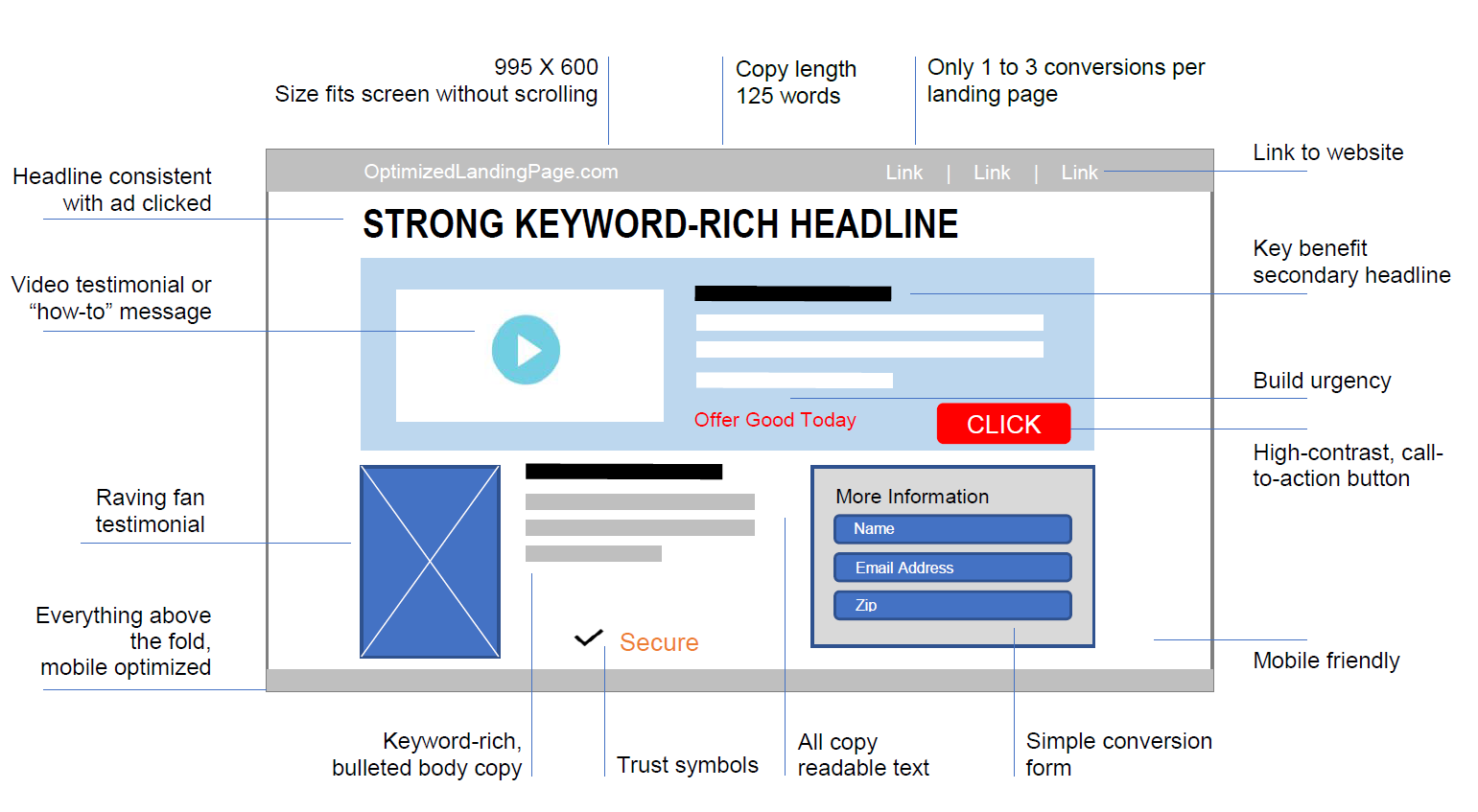
While you spend most of your time on Google Ads, don’t overlook the importance of your landing pages. Neglecting them can lead to missed conversions. Follow these examples for effective landing pages.
Landing page is relevant to the ad message
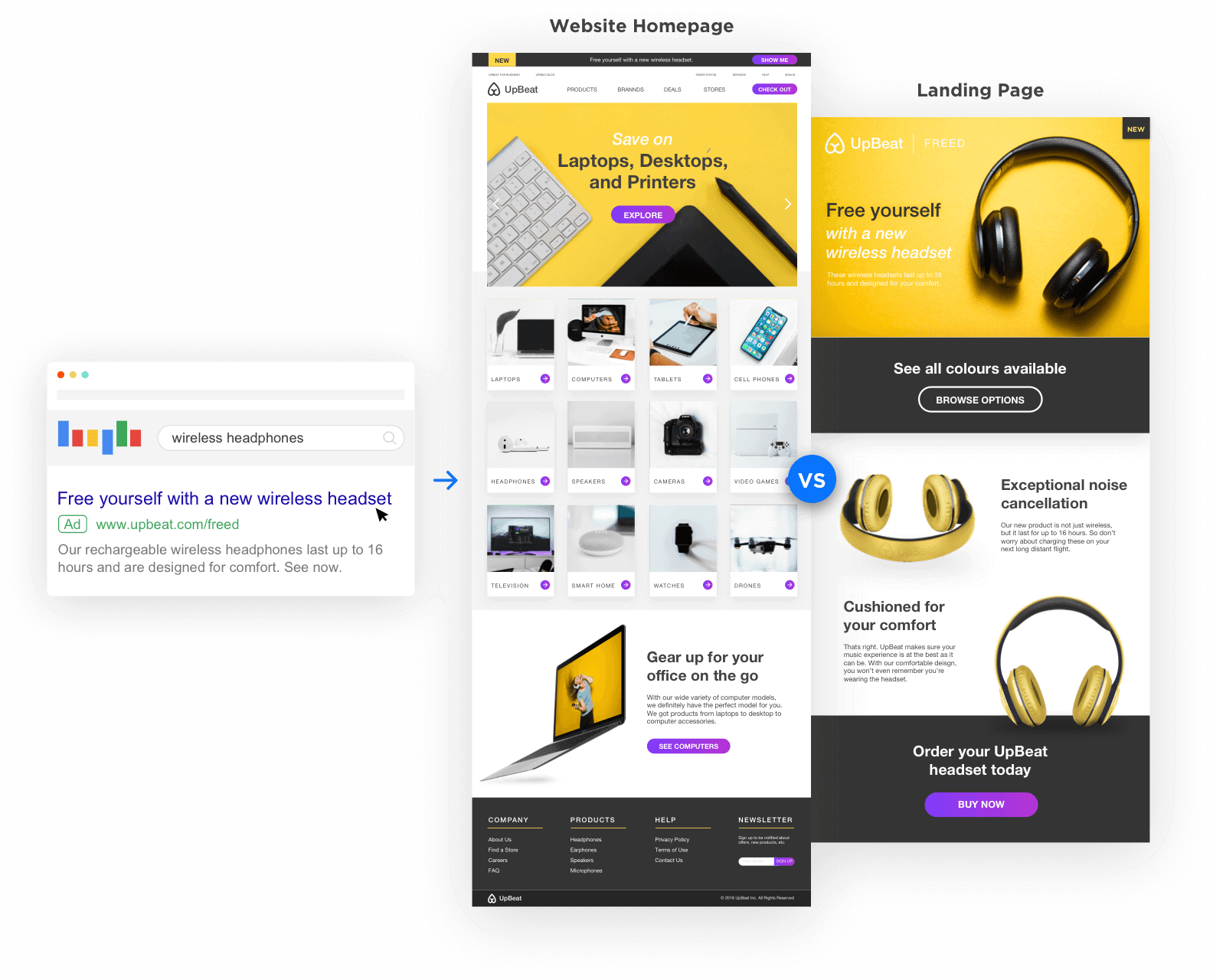
It should be relevant and show exactly what visitors are expecting. Don’t redirect them to the wrong page, as it can be frustrating and confusing.
Match your headline with the ad and search intent
Instead of adding keywords simply for SEO purposes, make sure your landing page headline reflects the message users saw in the ad and the intent behind their search. If your ad promotes a specific product, offer, or benefit, users should be able to recognize it immediately after landing on the page.
Google also recommends keeping the landing page closely aligned with both the ad and its keywords, as this contributes to ad relevance and landing page experience.
Tip: Don’t force an exact-match keyword into the headline if it makes the copy sound unnatural. Message consistency matters more than keyword repetition.
Create a compelling CTA button
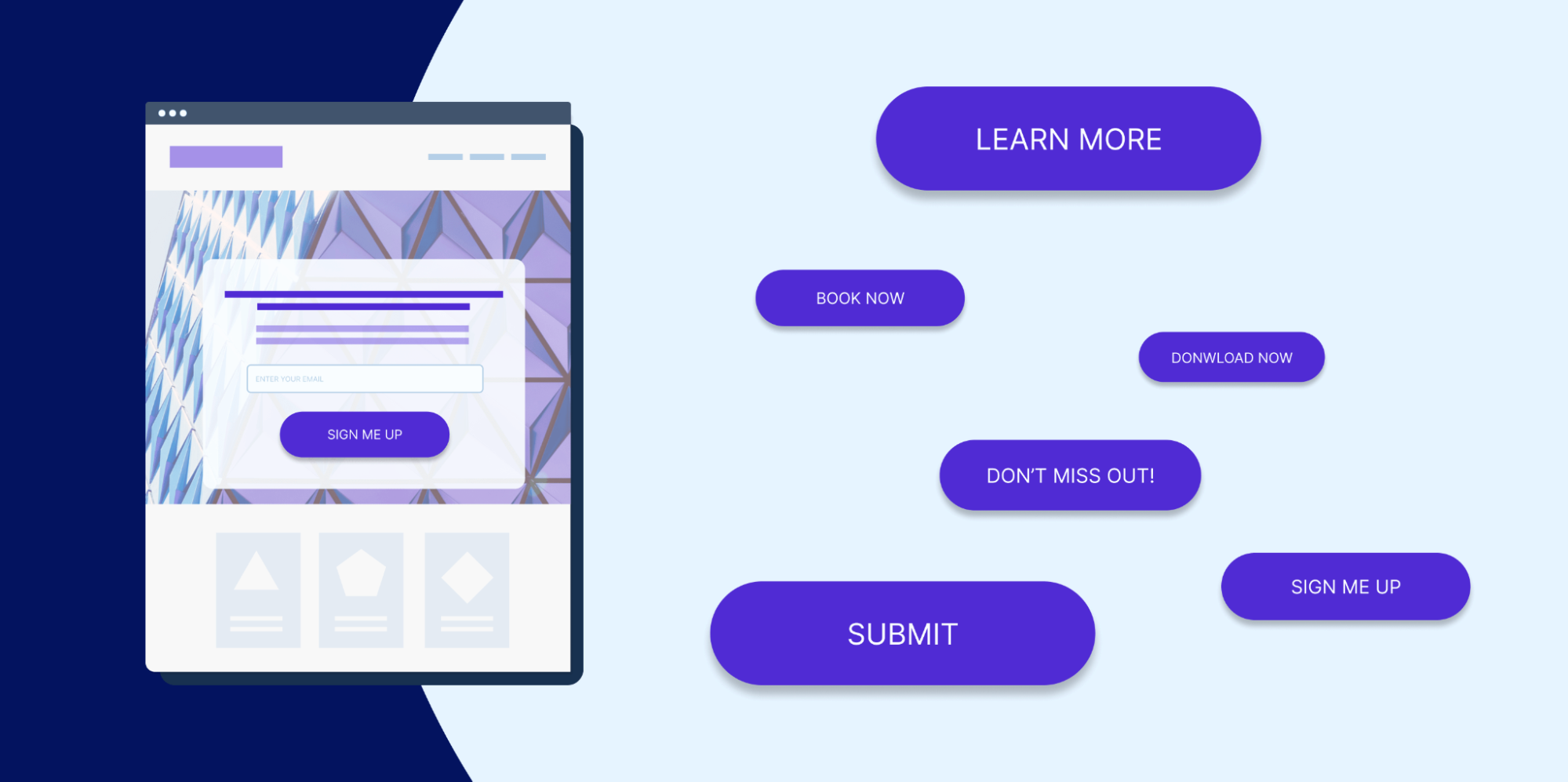
Prompt visitors to take action, like signing up or making a purchase. Make sure the call-to-action (CTA) button stands out and grabs visitors’ attention to increase conversion rates.
To make your CTA button stand out, use a contrasting color, use action-oriented verbs like “Sign Up” or “Buy Now,” and ensure the button is large enough for easy clicking. Implementing these strategies will increase the likelihood of visitors taking the desired action on your landing page.
Simplify the sign-up process
Design a form that focuses on essential information like names and email addresses. Avoid prospects with unnecessary details. Keeping it simple boosts conversion rates and allows for effective follow-up with prospects.
Track conversions after form submissions
After users complete a form, purchase, or other valuable action, make sure that action is properly tracked as a conversion. A dedicated “Thank You” or confirmation page can still be useful for both tracking and post-conversion messaging, but it is not required for every landing page setup. Google Ads can also track website actions through conversion events.
If you use a Thank You page, keep it focused on confirming the action and guiding users toward a relevant next step rather than treating it as a required conversion element.
Google Ads landing page examples
To help you understand what makes a successful landing page that leads to conversions, here are a few examples of outstanding landing pages.
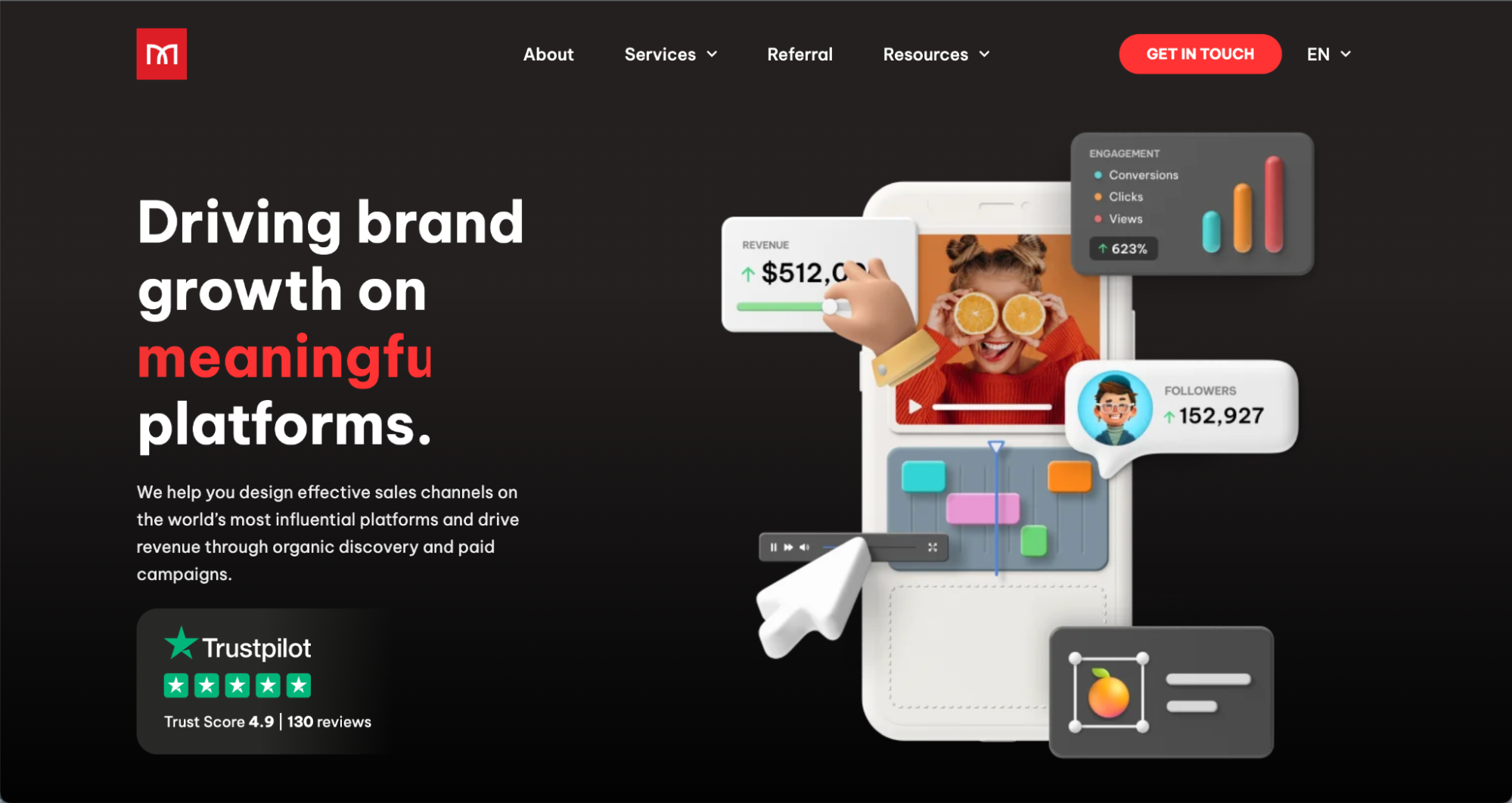
Mega Digital assists businesses in coordinating and handling Google Ads campaigns and provides other SEO content services. Now, let’s take a look at the appealing aspects of this company’s website.
• The color scheme is vibrant and harmonious.
• The page design is neat and free of clutter, with concise yet informative content that effectively conveys the value proposition.

Gift Rocket showcases a compelling landing page that effectively captures attention. What sets Gift Rocket apart?
- A captivating visual element instantly grabs viewers’ attention.
- The header concisely explains the essence of Gift Rocket.
- Bite-sized bulleted information below the header allows for easy scanning.
- The call-to-action button is clear and easily clickable.
- Social buttons are conveniently included.
- Further details can be explored by scrolling down the page.

Pinterest takes a unique approach by assuming that most visitors are already familiar with their platform. Instead of extensively explaining what Pinterest is, they showcase different examples of its value with each visit. Here’s what Pinterest does well:
- Simplified sign-up process with just two buttons, making it easy to get started.
- Emphasizes the quick and straightforward sign-up process, stating that it takes only 45 seconds.
- Leverages their vast user base as a trust factor, highlighting the presence of 25+ billion user-generated content pieces as evidence of their success.
Frequently Asked Questions
Should I use a landing page for Google Ads?
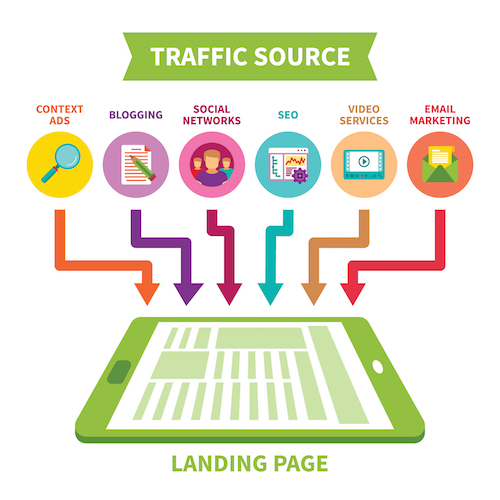
It depends what your specific goals are. However, in general, having a well-designed landing page can significantly improve your conversion rate.
A landing page offers a focused and relevant experience for your visitors, increasing the likelihood of them taking the desired action, such as filling out a form, making a purchase, or subscribing to a newsletter. It also helps in tracking and analyzing the performance of your Google Ads campaigns by providing insights into which ads generate the most traffic and conversions.
How is a good landing page?
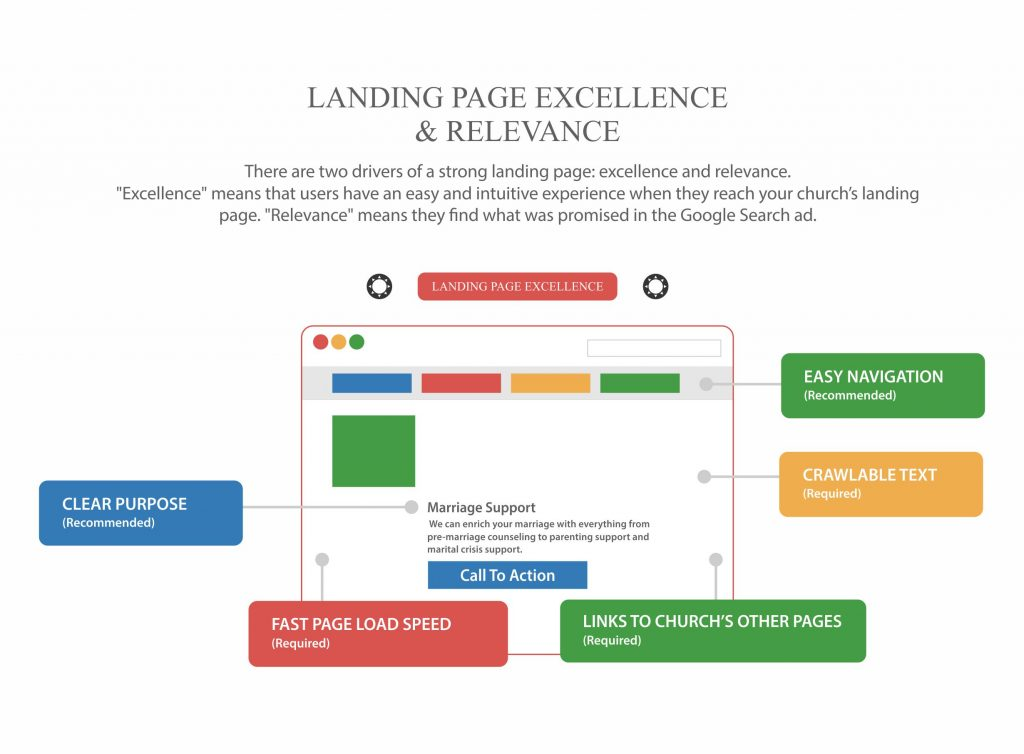
A good landing page for Google Ads should be relevant, trustworthy, easy and reliable. Firstly, it should have a fast loading speed and user-friendly navigation. Secondly, it should align with the ad that users clicked on, maintaining relevance. Thirdly, it should prominently feature a clear call to action. Lastly, it should be designed with the goal of converting visitors into leads or customers.
Final words
In conclusion, a good landing page has several important factors to consider. By incorporating these elements into your landing page design, you can expect to see an improvement in your conversion rate.
If you need support optimizing both your landing page and Google Ads campaigns, Mega Digital can help you identify performance gaps and improve the overall post-click experience.