

Managing Google Ads without a dedicated PPC team can be challenging, especially when complex campaign setups drain your budget without delivering results. For many small businesses, Google Smart ads offer a simpler way to run automated, beginner-friendly campaigns. In this article, I’ll explain what Google Smart campaigns are, how they work, their pros and cons, who should use them, and how they compare with Search campaigns.
Quick summary:
- Google Smart campaigns provide an automated advertising solution designed to help small businesses succeed without requiring deep technical expertise.
- These campaigns rely heavily on machine learning to automate bidding and targeting processes across various Google networks.
- The setup process is highly streamlined and takes only a few simple steps to launch your first ad.
- Advertisers must carefully weigh the time-saving benefits against the limited access to detailed performance data and placement control.
What is Google Ads Smart campaigns?
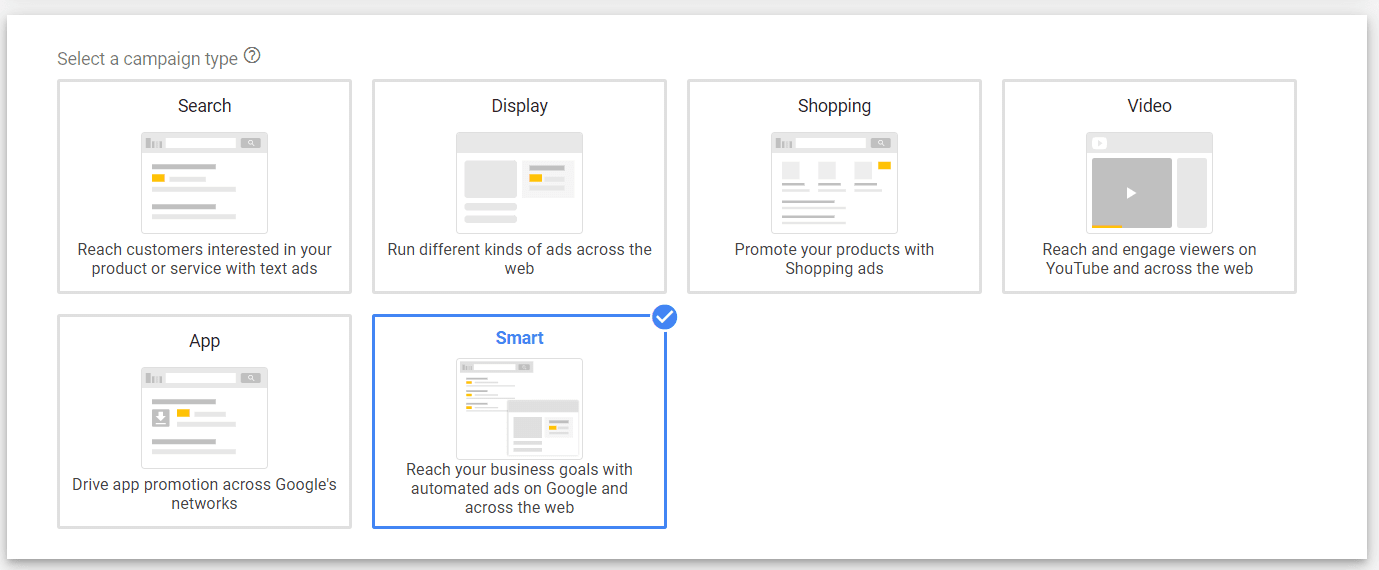
To begin with, Smart campaigns is one of Google Ads’ campaign types that simplifies advertising on Google Search, YouTube, Gmail, and other Google partner websites.
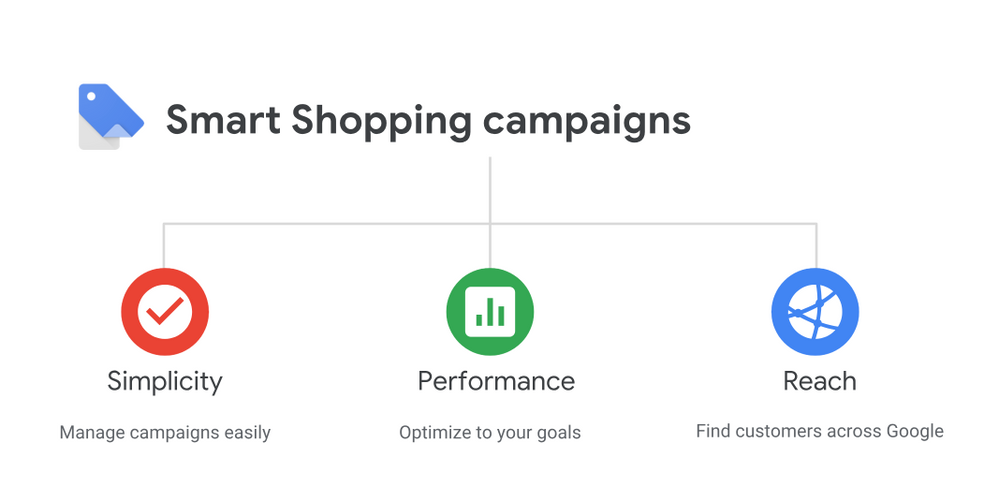
Smart campaigns help small businesses take their first steps in online advertising with a very simple, time-saving experience. At this point, advertisers can create their own advertising campaigns in minutes and increase clicks, website traffic, and store visits.
However, starting in April 2022, there was a gradual transition to better campaigns called Performance Max. Google Performance Max was built based on existing Smart Shopping and Local campaigns. This ensures that many of the existing settings remain the same, which, for many advertisers, is a sigh of relief.
>> Read more: Performance Max vs Smart Shopping: Everything You Need to Know
How do Google Smart campaigns work?
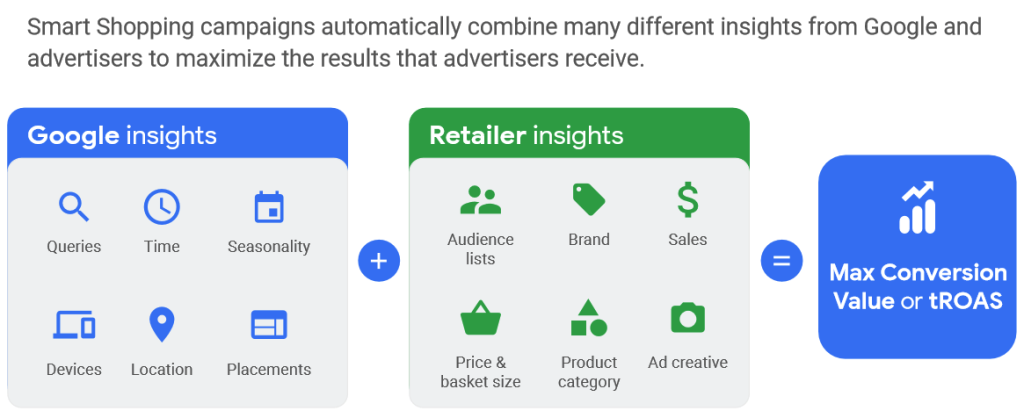
Smart campaigns will show your ad to the right customers at the right time when they search for what you offer. Moreover, they can see your ad on Gmail, Google Maps, or even other partner websites. Basically, with some simple setups, Smart campaigns can help you reach your interested audience.
Moreover, when users search for terms related to your business on Google, your ad will be shown to them in your local area. It can also reach customers outside of your area if they include relevant keywords along with your business location in their searches.
Advantages of Smart campaigns in Google Ads
Google Smart campaign is a useful advertising solution designed for businesses seeking a time-saving way to reach their target audience. Now let’s take a look at some key characteristics of Google Smart ads:
According to Google Ads Help, Smart campaigns allow advertisers to write an ad, choose keyword themes, set a budget, and let Google automatically show the ad across Google Search, Google Maps, YouTube, Google partner websites, and the Google Display Network.
Automated targeting and bidding
Google Smart campaigns automatically analyze various signals (Eg: Search term, search locations, device type…) to drive the most relevant audience to your ads. Automated bidding optimizes your bids in real-time based on factors like ad quality, search context, and user intent.
Simple ad creation
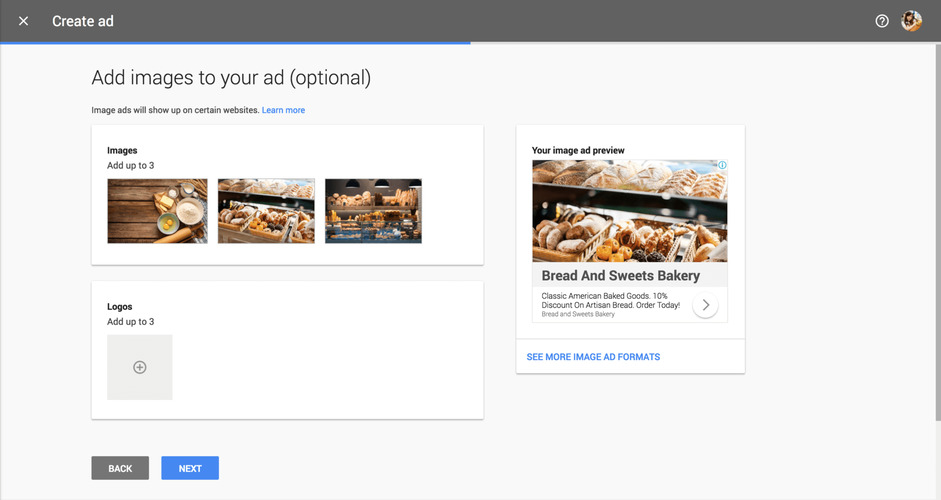
With Smart campaigns, creating appealing ads is effortless as Google dynamically generates them using the information you provide. These include basic business details such as ad text and business images.
Budget-friendly options
Smart campaigns allow you to set a budget that works for your business, giving you flexible control over your advertising expenses. According to Google Ads Help, your costs may vary from day to day, but you will not be charged more than your maximum monthly budget.
For example, if your campaign uses cost-per-click pricing, you only pay when someone clicks on your ad.
Mobile-optimized ads
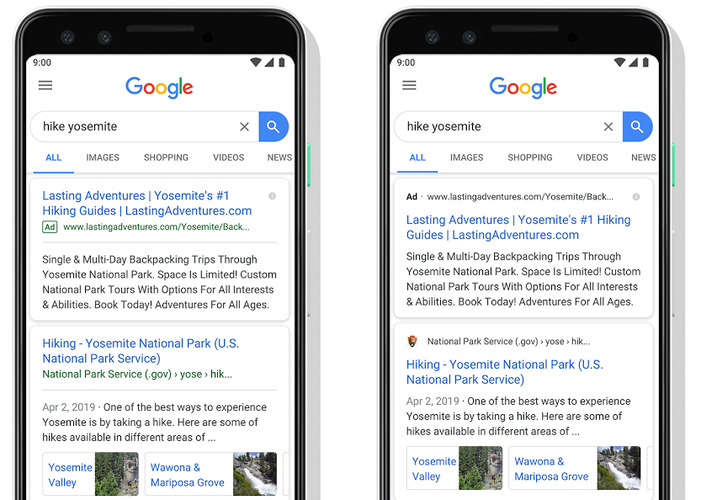
Smart campaigns in Google Ads automatically create ads that are adaptable to different screen sizes and devices. As mobile devices accounted for 52.27% of global website traffic in Q1 2026, this helps ensure that your ads are formatted for users browsing on smartphones and tablets
Local extensions
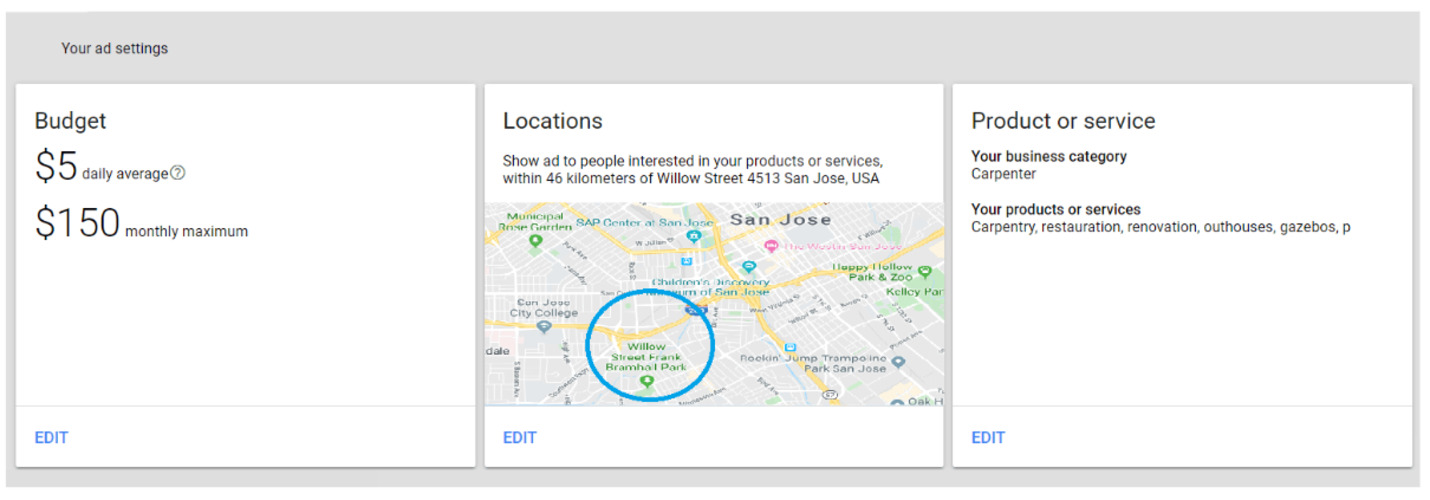
This feature allows you to display location information in your ads. With local extensions in Google Smart campaigns, potential customers can easily contact your business and drive traffic to your physical stores.
Performance tracking and insights
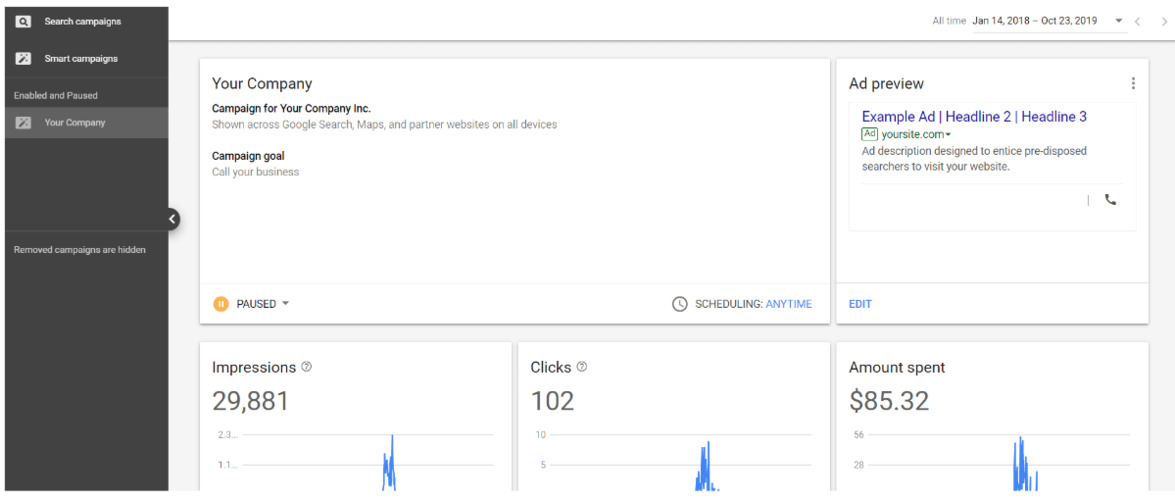
With simple performance tracking and reporting, you can easily measure important metrics like clicks, impressions, and conversions. According to Google Ads Help, your Smart campaigns dashboard can show customer impressions, clicks, and actions on your ad, depending on your account settings.
Based on the data, you can use conversion tracking to understand the impact of your ads on user actions, such as purchases or form submissions.
Disadvantages of Smart Campaigns
Aside from the above advantages, Smart ads also have downsides that need to be considered.
Access to less data
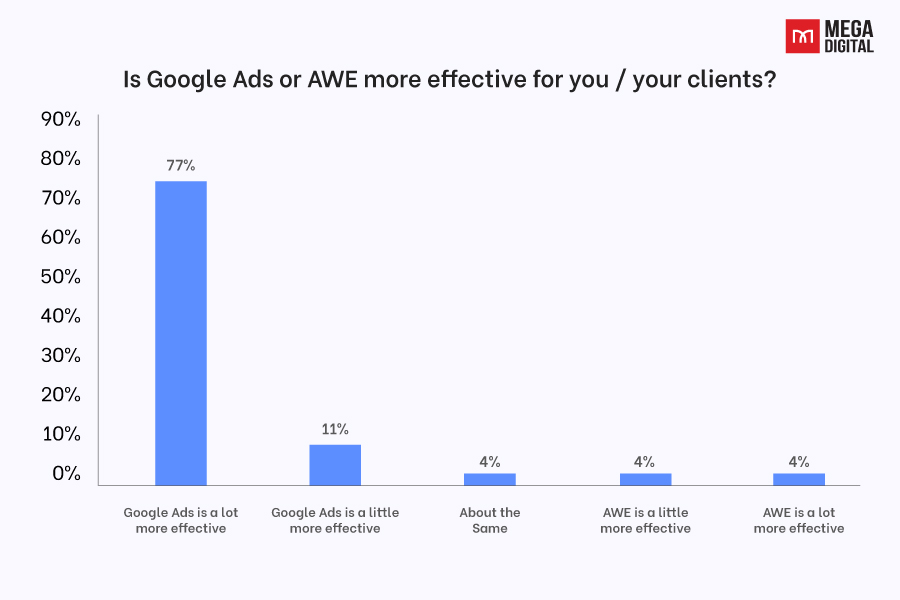
Smart campaigns have limited data access and control due to their simplified dashboard and reporting. Saving time doesn’t guarantee the best choice for a business, as more information is usually preferred in PPC. Informed decisions rely on data, but the interface of Google Ads Smart campaigns offers less access and control over data. While they are useful for testing PPC effectiveness, Smart campaigns have room for improvement.
Limited control over ad placement
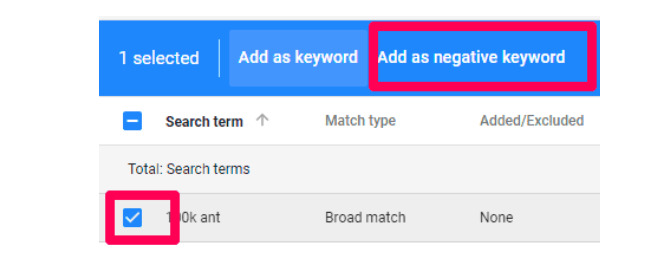
This is a tradeoff with Smart campaigns. By relying on the Google algorithm for targeting, you have less say in where your ads appear. Although this may not necessarily be negative, it does reduce your control over ad placement.
On the other hand, negative keywords offer a valuable feature that allows you to prevent wasteful spending on displaying ads for irrelevant search terms.
Pro Tip from Mega Digital: While Smart Campaigns save you setup time, relying solely on automation can be risky. Always utilize negative keyword themes to prevent your budget from draining on irrelevant, low-intent search queries.
How to Set Up a Google Smart Campaign
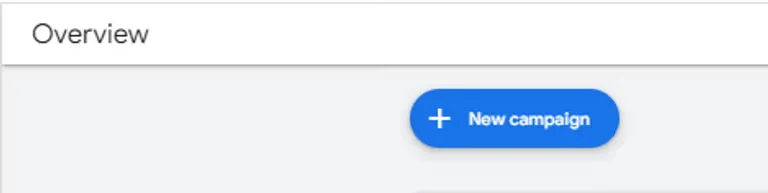
Setting up a Smart campaign is incredibly intuitive and designed to get your ads running quickly. Begin by logging in to your Google Ads account and clicking on “New Campaign” or “+”.
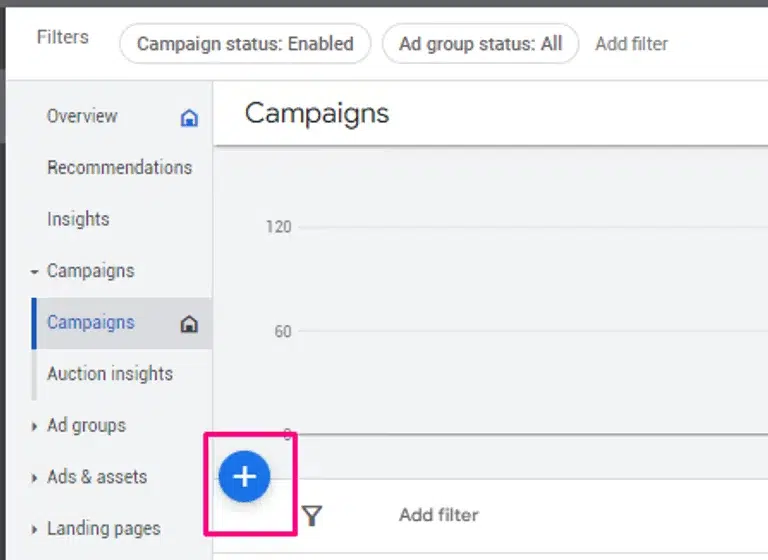
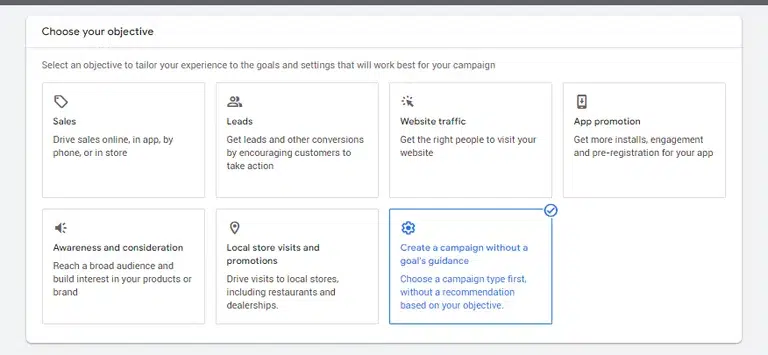
Step 1: Select the objective which best fits your advertising goals, such as sales, leads or website traffic.
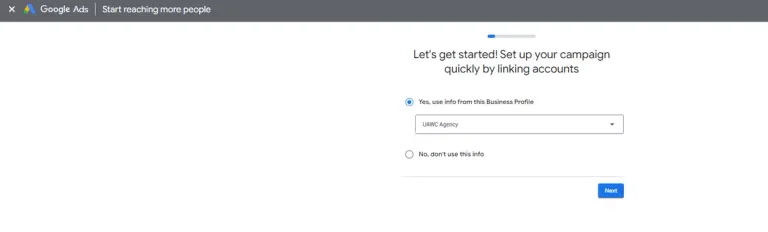
Step 2: Decide whether you want to use the information from your Google Business Profile or create a new campaign from scratch.
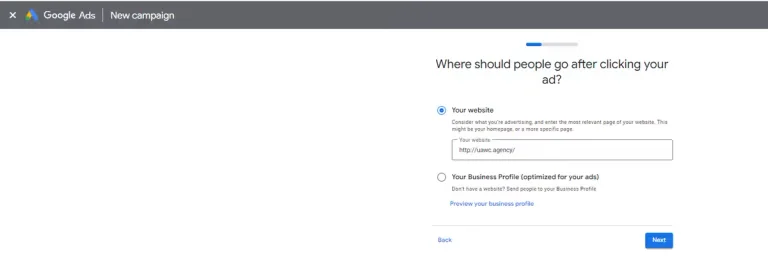
Step 3: Select the landing page you want to direct your customers to when they click on your ad.
Step 4: Opt for “Smart” and decide what action you want customers to take, such as calling your business, visiting your store or taking actions on your website. The proceeding steps will be tailored to each goal specification depending on the goal you choose.
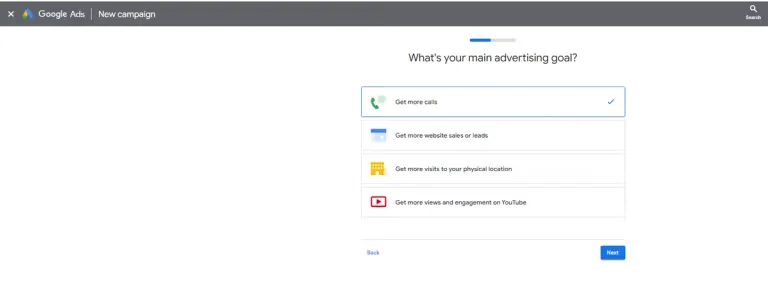
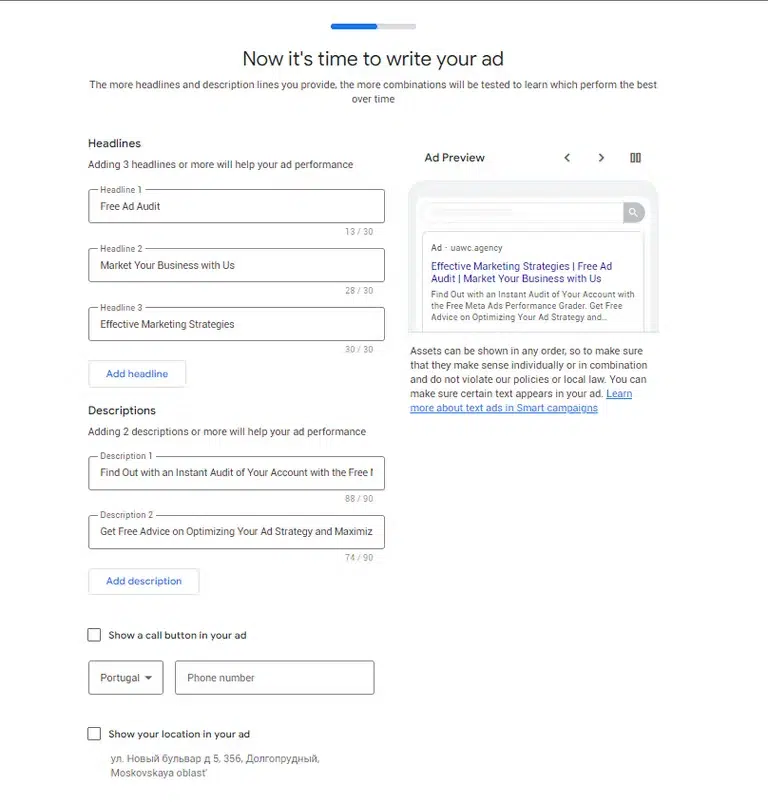
Step 5: Write your ad copy, including headlines and descriptions. You can create multiple ad copies and attach different final URLs to each.
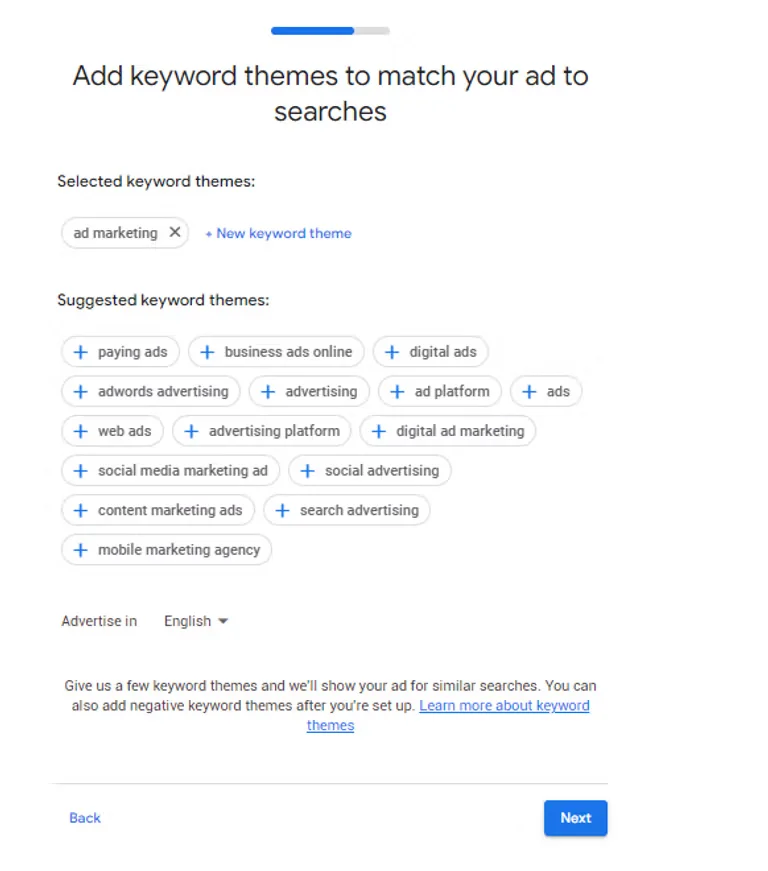
Step 6: Focus on the product category you’re selling. These themes will help your ads appear in relevant Google searches.
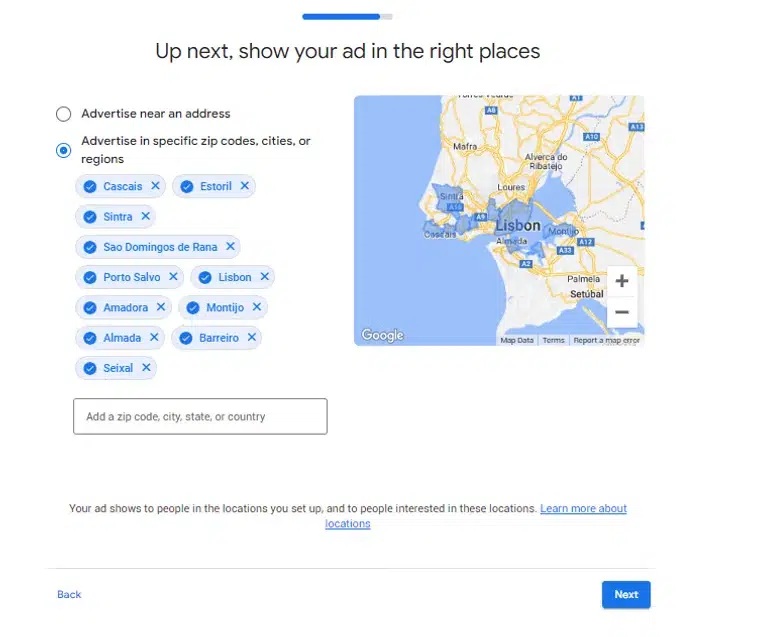
Step 7: Specify the geographical area you’re targeting. You can create a radius around your business or pick specific areas where you want your ads to appear.
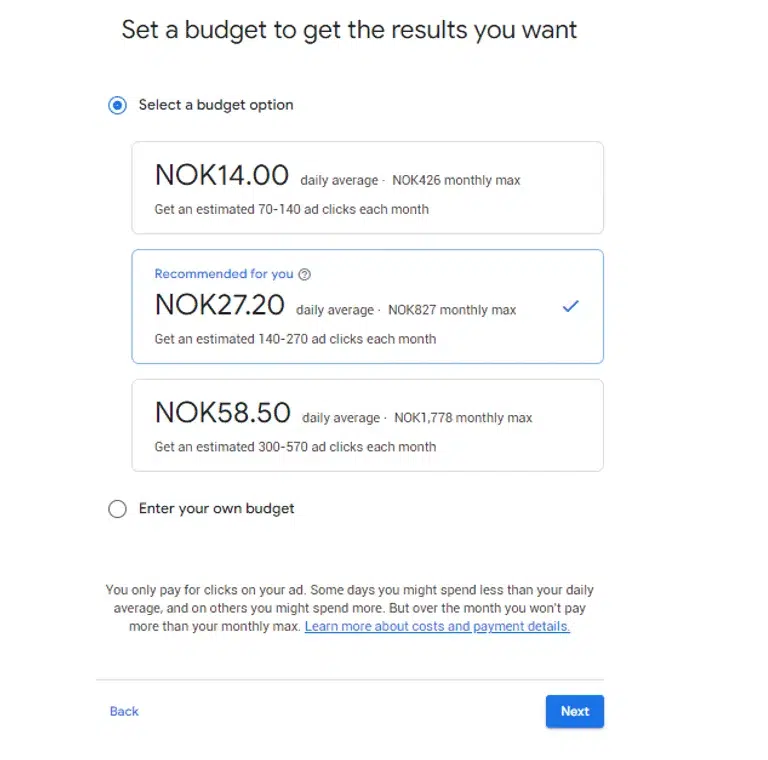
Step 8: Set your budget based on Google’s suggestions or your own calculations. You can adjust it later depending on your campaign’s performance.
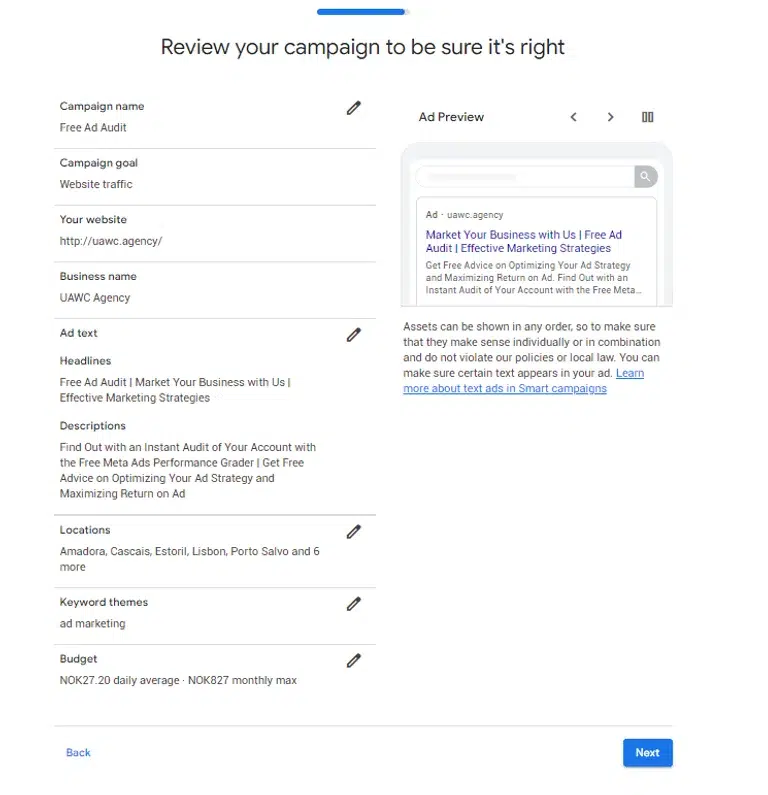
Step 9: Before launching your campaign, review the summary of your campaign settings. This is your last chance to make any adjustments before hitting “Next” to ensure they align with your e-commerce goals.
Who should use Google Ads Smart campaigns?
Now that you have known the simplicity and affordability of automated features in Google Smart campaigns. Let’s take a look at who should use Google Smart campaigns.

- Beginners in online advertising: For advertisers who are new to online advertising, Smart campaigns is an accessible new-entry tool. The automated features and simplified setup process will basically save you time.
- Time-constrained advertisers: If you have a fully packed schedule and seek advertising solutions requiring minimal hands-on management, then Google Smart ads can assist you with ad performance optimization.
- Small businesses: Google Smart ads offer a user-friendly interface and automated features that simplify the process. Therefore, managing complex advertising campaigns is ideal for small businesses with limited time and resources.
- Local businesses: If your business has physical stores operating within a specific geographic area, then the local extension feature can effectively target local customers. Afterwards, the chances of ad visibility are high, which will drive foot traffic to your stores.
Looking into these suitable audiences, Google Smart campaigns may be more suitable for small and medium-sized and inexperienced businesses. However, big firms can also consider this automated tool if their goal is to utilize limited resources and time.
5 Essential Tips for Success with Google Ads Smart Campaigns
These five tips can help you control wasted spend, improve lead quality, and get more value from Google Smart Campaigns.
Tip #1: Start with a small budget
Your daily budget matters because Google handles most of the campaign optimization for you. Without a clear limit, you can spend quickly before knowing whether the campaign is working.
Start with a small budget, monitor performance closely, and only increase spend when you see consistent results. If the campaign performs well, you can scale it or move to a more advanced Google Ads setup.
Tip #2: Run ads during business hours
Ad scheduling helps you control when your ads appear. If your team only answers calls from 9 AM to 5 PM, running call-focused ads late at night can waste budget.
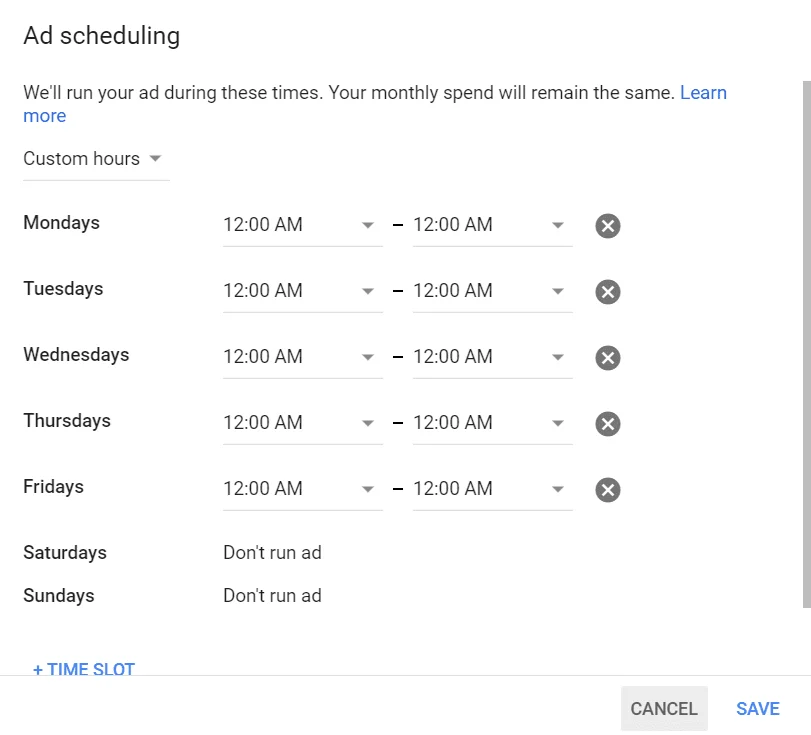
Set your schedule around your actual business hours. For lead forms or email inquiries, you can consider running ads longer to capture customers outside normal working hours.
Tip #3: Monitor your search phrases
In the first few weeks, check your search phrases report regularly to see what people searched before clicking your ads. This helps you spot irrelevant traffic early.
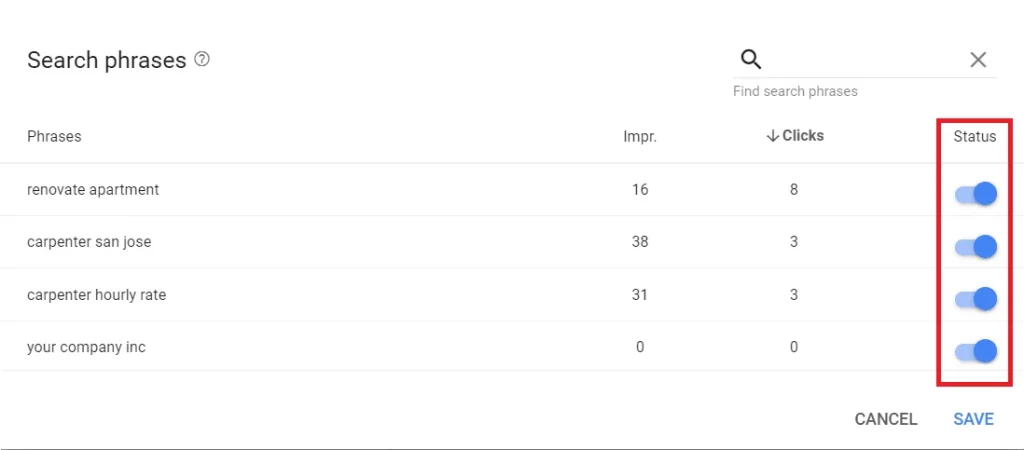
If you find low-intent terms like “free”, “cheap”, or unrelated searches, remove them when possible. This keeps your budget focused on users who are more likely to become paying customers.
Tip #4: Improve your Google Business Profile photos
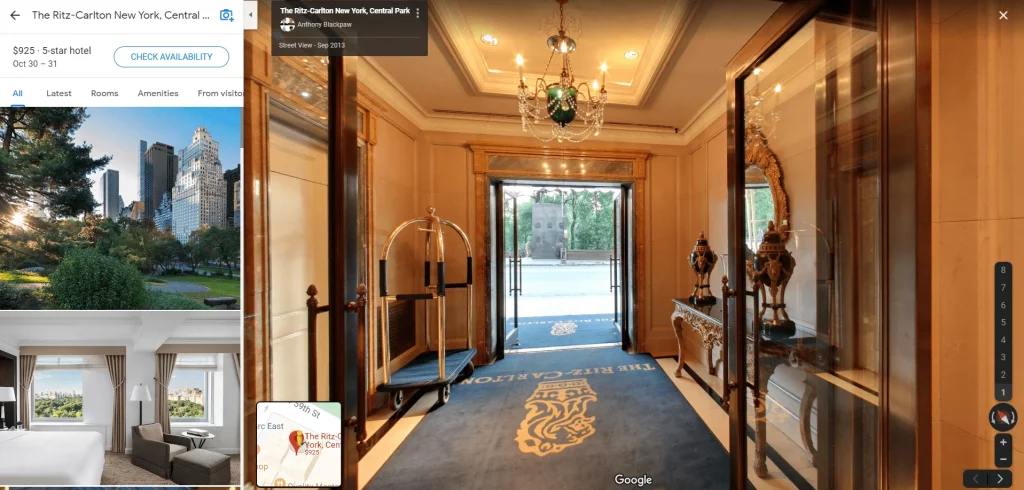
For local businesses, a strong Google Business Profile can make your Smart Campaigns more effective, especially on Google Maps.
Upload clear, professional photos of your storefront, products, team, or service environment. Good visuals help local searchers trust your business and make them more likely to call or visit.
Tip #5: Use external call tracking software
Google Ads can show basic call data, such as call time, duration, and area code. However, this may not be enough to understand which leads actually turned into customers.
For deeper insights, consider using a call tracking tool like CallRail. It can help you track call sources, review conversations, and understand which campaigns or keywords are driving real business results.
Google Smart campaign vs. Search campaign
Google Smart ads and Google Search ads are two different advertising campaigns on the Google Ads platform. Here’s a comparison between the two:
| Features | Smart Campaign | Search Campaign |
|---|---|---|
| Targeting | Automated targeting based on machine learning algorithms and analysis of user intent, demographics, etc | Manual targeting – Advertisers select specific keywords and audiences |
| Ad Placement | Display Network | Search Network |
| Ad Formats | Responsive Display Ads | Text Ads |
| Bidding | Automated bidding strategies, optimizing conversions | Manual bidding strategies |
| Campaign optimization | Automated optimization of ad delivery, targeting and budget allocation | Manual optimization by adjusting bids, ad copy and other campaign elements |
| Budget Control | Limited control with a daily budget limit | Full control over budget allocation and scheduling |
| Audience Targeting | Limited audience targeting options | Various options based on demographics, behaviors and remarketing |
| Ad Creation | Automated ad creation using assets provided by advertisers | Manual ad creation – copy, headlines, descriptions, etc |
In summary, Smart campaigns are suitable for small businesses with limited resources and expertise, while Search campaigns offer more control and customization options for experienced advertisers.
Frequently Asked Questions for Google Smart ads
Still seeking answers for Google Smart ads? We’ve got you covered with FAQs below!
A Smart campaign can save you time by automatically adjusting your bids based on what it considers the most profitable keywords. However, considering the various factors involved, it can be challenging to determine when this automated targeting approach would be advantageous and when it might prioritize time savings over revenue.
If you are new to Google Ads, then Smart campaigns are likely to deliver quicker results in terms of website traffic. Smart campaigns require less setup work and can be launched faster than manual ones.
Final words
Smart campaigns are less suitable for complex businesses. If your business has complex targeting requirements or a wide range of products/services, you may find that more advanced campaign types offer better flexibility and control.
Looking forward to optimizing your shopping campaigns? Mega Digital can help you run ads, track ad performance effectively, and maximize your budget. Discover the power of Google Shopping Advertising today with Mega Digital, and boost your shopping advertising campaigns like never before!
![Set up TikTok ads payment method in 5 steps [Agency walkthrough]](https://megadigital.ai/wp-content/uploads/2023/03/TikTok-Ads-Payment-Method.jpg)