

Struggling to scale your app without wasting budget? Google App Install Campaigns help you reach potential users across Google Search, Display, YouTube, Google Play, and more. But successful app growth takes more than automation. With the right strategy, creative assets, and optimization approach, our Google Ads experts can help you drive quality installs and maximize your return on ad spend.
Quick summary:
- Google App Install Campaigns (ACi) promote apps directly on Google Search, Display, Play Store, and Discover, making installation seamless for users.
- Campaigns automate targeting and bidding, with options to optimize for installs (CPI) or in-app actions (CPA).
- Advertisers can use text, images, and video assets, with Google mixing formats for best performance.
- Benefits include targeted reach, easy setup, cost control, and detailed tracking; drawbacks include high CPI, ad fatigue, and limited retention.
- Best practices: diversify creative assets, pick the right bidding strategy, track at least 100 conversions, and let Google’s AI optimize over time.
What is app install campaign in Google Ads?
Google app install ads let people install your app directly from the ad. These ads may change a bit depending on where they appear to give users a great experience no matter when or where they see them. Google does this to ensure the ads work well and provide users with a positive experience.
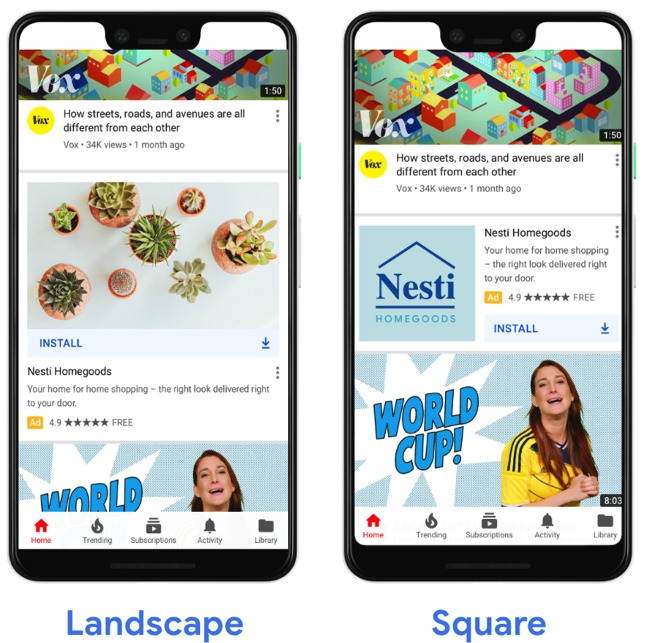
App Campaigns for Installs (ACi) will display these ads until the user successfully completes the desired download action the campaign is designed for.
How Google app install ads works
To maximize the benefits of each download, Google app campaigns automatically handles targeting and bidding for you. You have the option to optimize your campaign’s targeting to concentrate on finding valuable users who perform actions you consider important, such as in-app conversions.
- On the Search and Display Networks
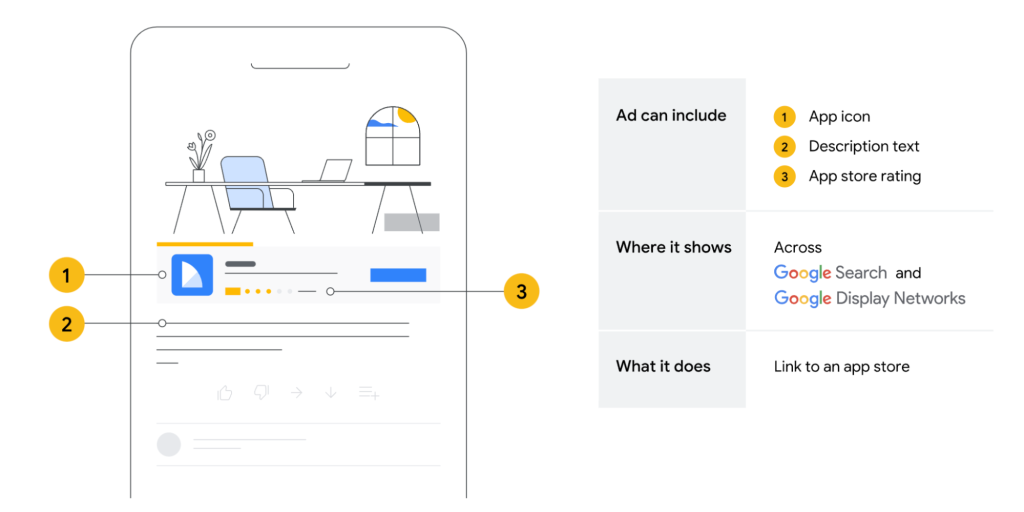
- On Google Play
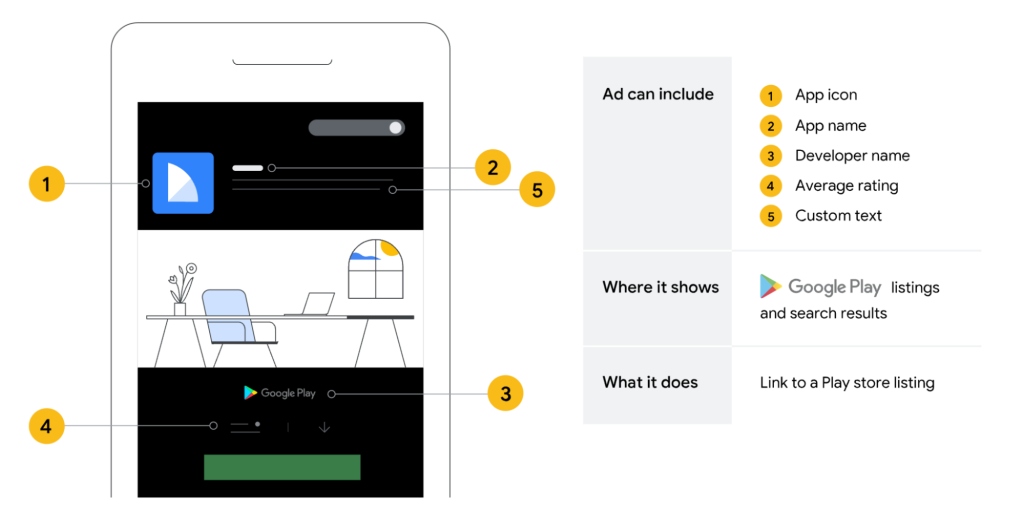
- On the Display Network
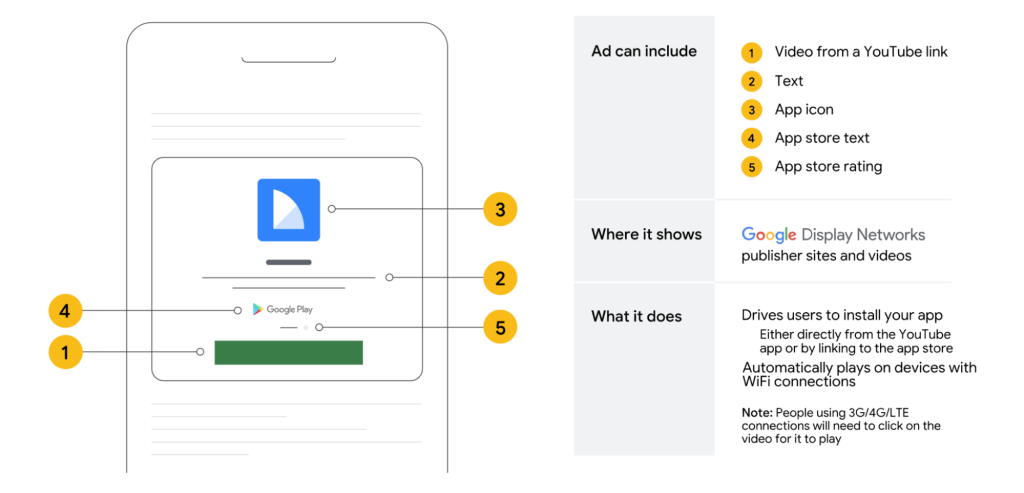
- On Google Discover
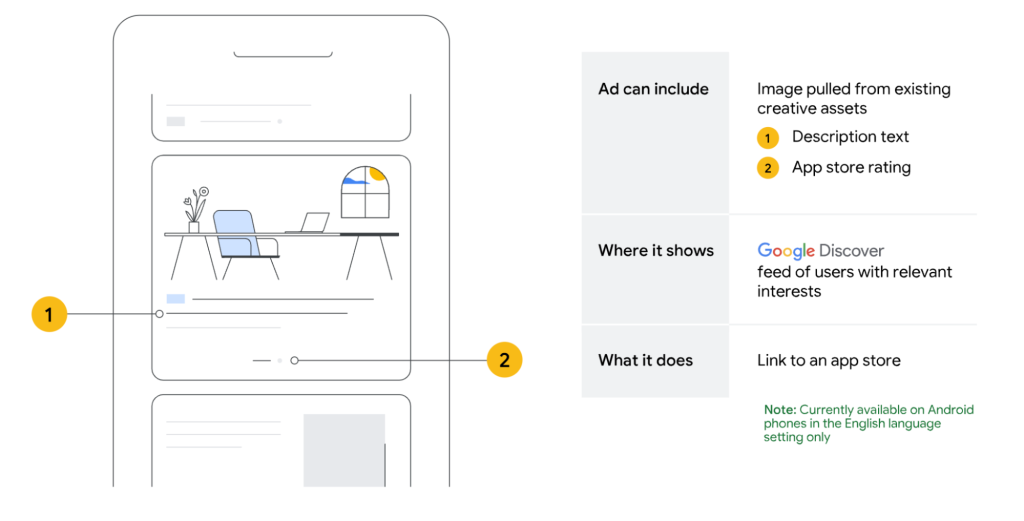
Specs for Google app install ads
Here are some common Google app install ads specs you should keep in mind.
Text (required)
- Minimum of 2 headlines and 1 description.
- End each text asset with punctuation (see policy guidelines).
- Keep headlines and descriptions within the character limit.
- Ensure each text asset has a clear value proposition.
- Avoid repeating messages; make each asset unique.
Images (optional)
The allowed image sizes (in pixels) are:
- 320 x 50
- 320 x 480
- 480 x 320
- 300 x 250
- 1200 x 628
The difference in image aspect ratios should not exceed 1%. The maximum file size permitted is 1MB, and the images should not contain any text, except for logos.
Video (optional)
- Maximum of 20 videos
- Each video must be provided as a full YouTube URL
- Videos should have a minimum duration of 10 seconds.
- You can upload as many videos as possible, up to a maximum of 20 per ad group.
How to create an app install campaign
Step 1: Login to your Google Ads account
Before setting up your app install campaigns, you’ll need a Google Ads account. You can either create your own account or consider using a Google Ads agency account from a trusted Google Partner, like Mega Digital, to get started faster with expert support and optimized campaign management.
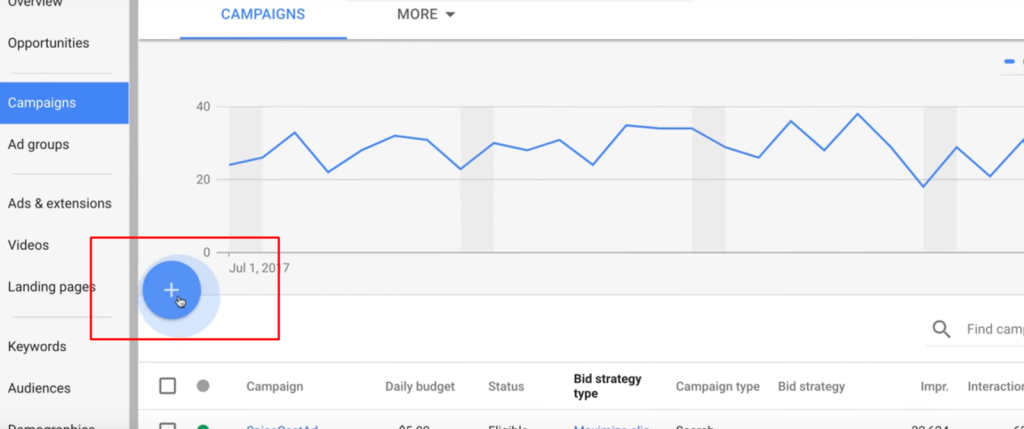
- The next thing you need to do is log in to your Google Ads account.
- Then, click the “+” icon.
Step 2: Select new campaign
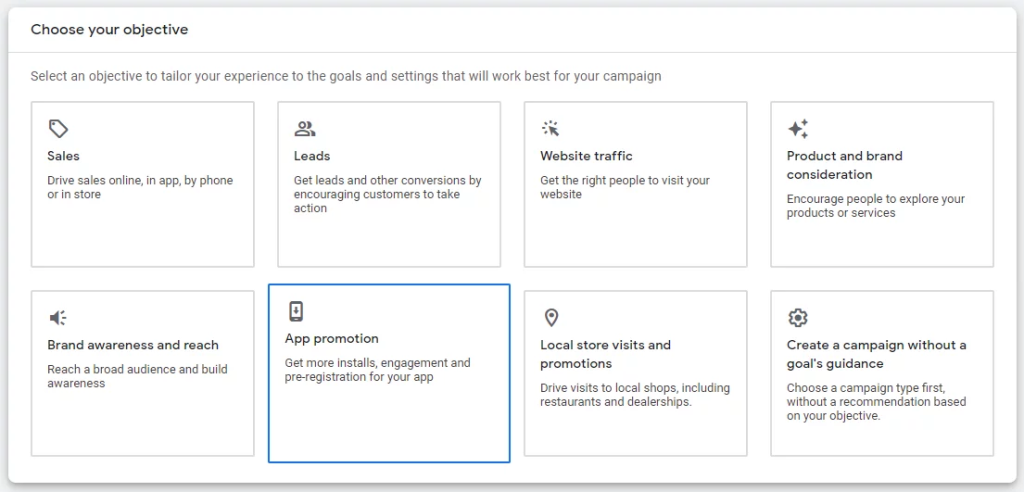
- Click “New campaign”.
- At the right side, you will find the universal app button, click on it.
- After that, pick the app platform which you have developed your app. Choose between Android and IOS.
Step 3: Pick your app
- From the drop-down menu, search for your app and select it.
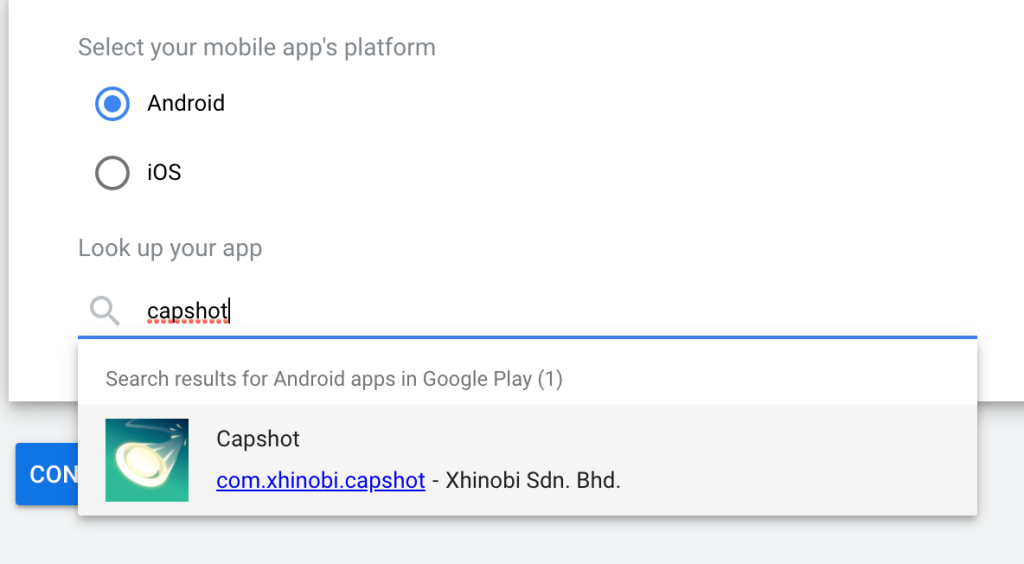
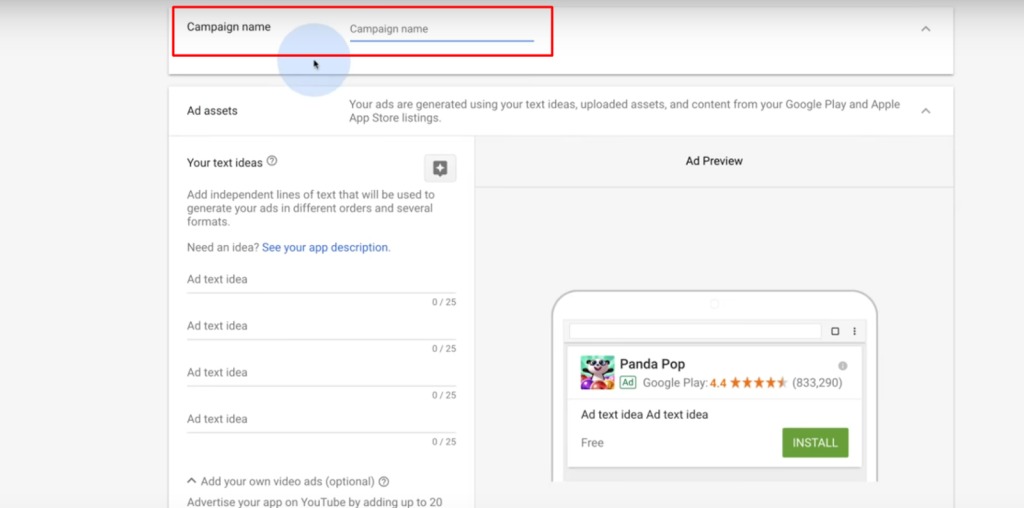
- Click “continue”, then give a name for your campaign.
- Fill in the text idea. You can preview the ads.
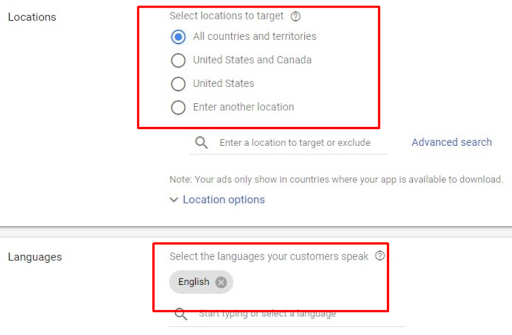
Step 4: Choose location and language
- Target your preferred location.
- Select language.
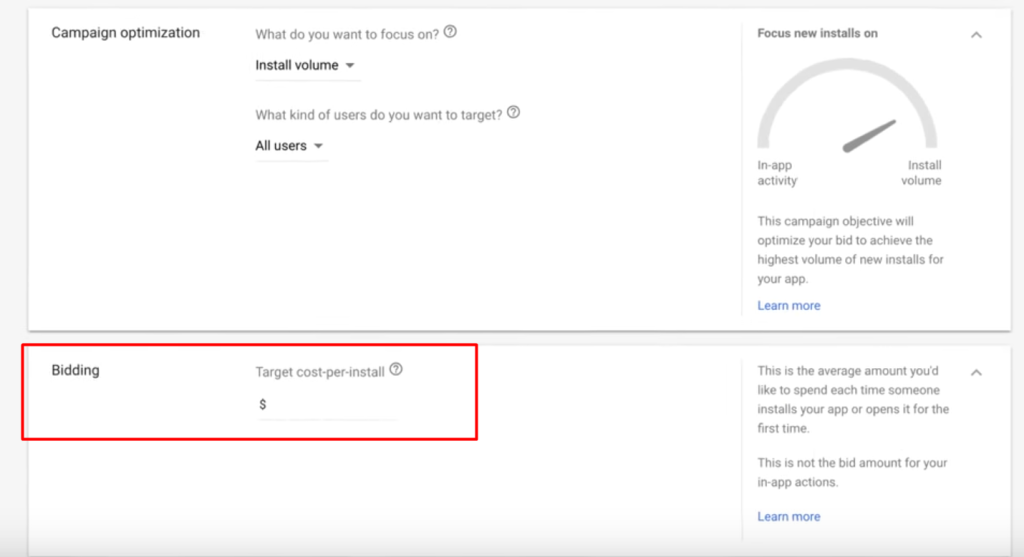
Step 5: Set budget and bidding
Remember, the bidding is the average amount you’ll pay for each campaign. In the final step, choose a run date and click confirm.
That’s how to set up a compelling Google Ads for app installs campaign. If you prefer a hands-on approach, you can do it yourself, or if you want hassle-free results, consider Mega Digital’s Google advertising service – we’ll run the ads for you and ensure optimal performance and visibility for your app.
Google app install campaigns best practices
To scale profitably, you must move beyond basic campaign setups and adapt to stricter privacy frameworks like ATT and Privacy Sandbox. Here are the core data-driven strategies to optimize your user acquisition.
#1 Master the “Learning Phase” and Budget Scaling
Google’s machine learning algorithm needs time and data to identify your ideal users. A common mistake is adjusting budgets or bids too early, which forces the algorithm to restart its learning process from scratch.
Pro Tip: Set your initial daily budget to at least 50x your target CPI (or 10x your target CPA) to give the AI enough room to test different auctions. Once launched, do not change your budget or bid by more than 20% within the first 10-14 days.
#2 Transition from CPI to tCPA or tROAS
While Cost Per Install (CPI) is useful for launching an app and driving initial install volume, installs alone do not guarantee long-term value. Once your campaign has collected enough post-install conversion data through Firebase or a Mobile Measurement Partner (MMP), consider shifting your bidding strategy toward actions that reflect real business outcomes.
Expert Insight: App installs are only the first step. As your campaign collects enough post-install conversion data, Google recommends shifting to Target CPA (tCPA) or Target ROAS (tROAS) bidding to prioritize users who are more likely to generate business value through registrations, subscriptions, or purchases.
Practical Action: Define which in-app events matter most to your business. Instead of bidding only for installs, optimize for high-value actions such as account registration, subscription activation, or in-app purchases. Use tCPA when you want to control the cost of each valuable action, and consider tROAS when your app has clear revenue tracking and direct monetization.
#3 Diversify Your “Asset Mix” for AI Optimization
Don’t just upload one text and one image. Google’s AI performs best when it has a vast pool of assets to dynamically combine and test across different placements (Search, YouTube, Display).
- Video is King: Create fast-paced, 10-15 second videos. The first 3 seconds must show real app UI or gameplay. Include different orientations (Landscape, Portrait for YouTube Shorts, and Square).
- Text asset variety: Dedicate headlines to different psychological triggers: one for features, one for social proof (“Join 1M+ users”), and one for a direct Call-To-Action.
#4 Optimize for Privacy-First Tracking (SKAdNetwork)
With data privacy at the forefront in 2026, traditional pixel tracking is outdated. For iOS campaigns specifically, ensure you have properly configured the SKAdNetwork conversion value schema. Focus on predictive analytics within the first 24 hours of an install to measure campaign success, as delayed tracking postbacks will hide long-term user behavior.
Pros and Cons of App Install Campaign
Pros of Google Ads App Install Campaign:
- Targeted Reach: Reach specific audiences based on demographics, interests, behaviors, and more, ensuring your ads are seen by potential interested users.
- Easy Setup: User-friendly interface for setting up app install campaigns, making it simple for advertisers to start.
- Tracking and Analytics: Detailed tracking and analytics for monitoring campaign performance and making data-driven optimizations.
- Cost Control: Set a budget to manage spending and avoid overspending.
- Multiple Ad Formats: Use various ad formats (text, image, video) for engaging and compelling ads.
Cons of Google Ads App Install Campaign:
- Cost Per Install: Acquiring new users can be expensive, impacting overall return on investment.
- Ad Fatigue: Frequent exposure to ads may lead to user ad fatigue and reduced engagement.
- Limited Ad Space: Limited screen space makes it challenging to stand out among competing apps.
- App Retention: Initial installs don’t guarantee long-term user retention; a retention strategy is necessary.
- Ad Blocking: Some users with ad blockers may not see your app install ads.
>> Read more: Google App Campaign Specs: Creative Asset Requirements
Final words
These powerful Google app install campaigns are designed to drive app installations and boost visibility on both Google Play and the Apple App Store. Don’t miss out on the opportunity to scale your app’s growth and expand your user base. Join us on this exciting journey!