
Showing several products in one Facebook ad sounds simple, but poor hero creative, outdated catalog data, or an inconsistent Instant Experience can quickly lose shoppers before they reach the product page. This guide explains what Facebook Collection ads, how to set them up, and how to optimize the full path from discovery to purchase.
Quick summary:
- Facebook Collection ads combine a hero image or video with multiple products and an Instant Experience.
- Strong performance depends on both the cover creative and the quality of your product catalog.
- Build product sets around clear shopping intent instead of showing unrelated items.
- Keep the ad, Instant Experience, and product pages consistent throughout the customer journey.
- Measure purchases, CPA, and ROAS alongside in-ad engagement.
What are Facebook Collection Ads?
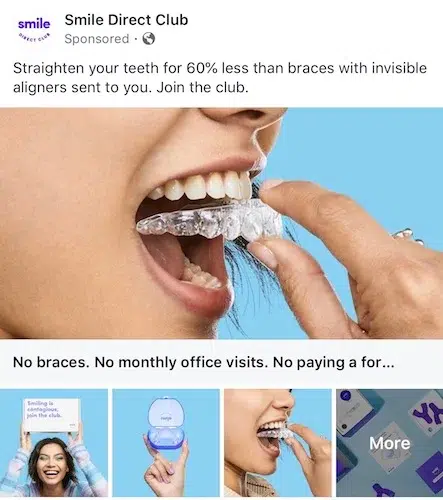
Collection Ads are a mobile-only Facebook ad type that includes a cover image or video, followed by three (or more) smaller images placed below. These ads make it easy for people to discover, browse, and purchase products and services from their mobile devices in a visually immersive way.
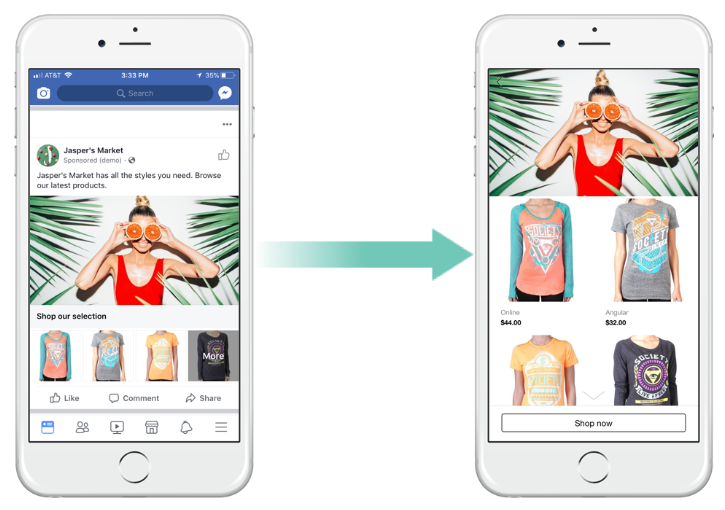
Each Collection Ad features a primary image or video with three smaller accompanying images underneath in a grid-like layout. When users interact with a Collection Ad, they are taken to an “Instant Experience,” which is a full-screen, mobile-optimized experience within the Facebook app. This provides a seamless and immersive environment for users to browse and explore the showcased products.
All Facebook Collection ads templates
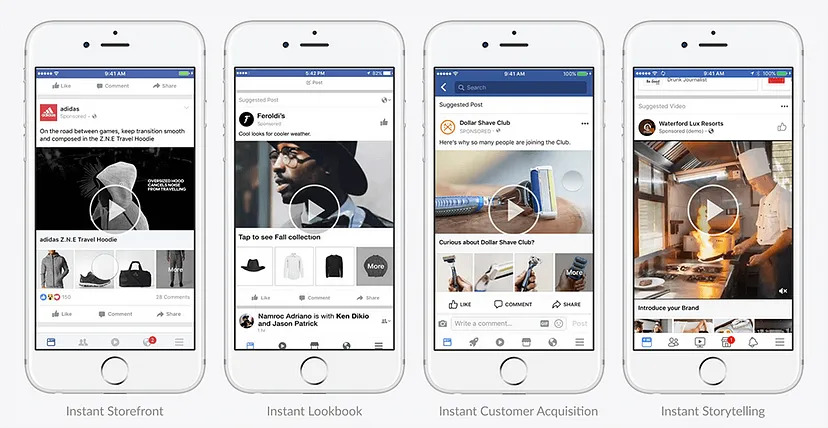
To promote your business, you can choose among four currently available Collection ad templates.
- Instant Storefront: this template allows you to display your products in a grid layout, making it easy for users to browse through your offerings.
- Instant Lookbook: this template is designed to show your products in action. It’s ideal for businesses that want to showcase how their products can be used.
- Instant Customer Acquisition: if your goal is to drive conversions on your mobile landing page, this template can be a good choice. It’s designed to encourage users to take action.
- Instant Storytelling: this template allows you to tell a strong brand story while also encouraging product sales. It’s a great way to engage users and build brand awareness.
Facebook Collection Ads Specs
Facebook Collection Ads combine a hero image or video with product tiles, so your creative should be optimized for both the feed and the full-screen Instant Experience.
| Specification | Recommended setup |
|---|---|
| Minimum resolution | 1080 × 1080 px |
| Aspect ratio | 1:1 for standard collection creative; 9:16 for vertical placements where supported |
| Image formats | JPG, PNG |
| Maximum image size | 30 MB |
| Video formats | MP4, MOV, GIF |
| Maximum video size | 4 GB |
| Primary text | Up to 125 characters |
| Headline | Up to 40 characters |
| Instant Experience | Required for the full-screen mobile experience |
For standard Feed Collection ads, 1080 × 1080 px (1:1) is the safest format for the hero creative and product images. For Reels or vertical video Collection ads, use a 9:16 video to make better use of the full-screen placement.
Why Use Facebook Collection Ads Over Regular Ads?
Sure, traditional Facebook ads can do wonders. But when you have a wide range of products or want to tell a richer story, Collection Ads step up their game. Here’s why you should use this ad type for your marketing campaigns:
Showcase product variety
Unlike regular ads, Collection Ads are designed to feature multiple products or services in a single ad. This is particularly beneficial for businesses with a diverse range of offerings. For instance, a clothing retailer can showcase different styles of dresses, shoes, and accessories all in one ad. This gives potential customers a broader view of your product range without bombarding them with individual ads, increasing the likelihood of them finding something they like.
Immersive mobile experience
Collection Ads are designed with mobile users in mind. When a user clicks on a Collection Ad, they’re taken to an Instant Experience, a full-screen landing page inside Facebook. This page can include videos, slideshows, or carousels, providing a rich, engaging experience. This immersive format keeps users within the Facebook app, reducing load times and improving the user experience.
Enhance engagement
Unlike static images, Collection Ads come alive with video thumbnails and captivating product descriptions. The interactive nature of Collection Ads encourages users to engage with your content. Users can scroll through the products, click on items of interest, and even make a purchase without leaving Facebook. This interactive shopping experience can lead to higher engagement rates, increasing the likelihood of conversions.
Streamline the shopping journey
Collection Ads streamline the shopping process. When a user clicks on a product in the ad, they’re taken directly to the product page on your website or app. This reduces the number of steps a user has to take to make a purchase, which can help reduce drop-off rates and increase conversions.
Customizable templates
Facebook provides several templates for Collection Ads, each designed for different business goals. For example, the “Sell Products” template is designed to showcase products from your catalog, while the “Tell a Story” template is designed for brand storytelling. These templates can be customized with your images, videos, and text, allowing you to create ads that align with your brand and business goals.
How to Create Collection Ads on Facebook
Before getting started, make sure you have a Facebook ad account ready. If not, follow our simple guide on how to create a Facebook ad account.
Step 1: Prepare Your Product Catalog
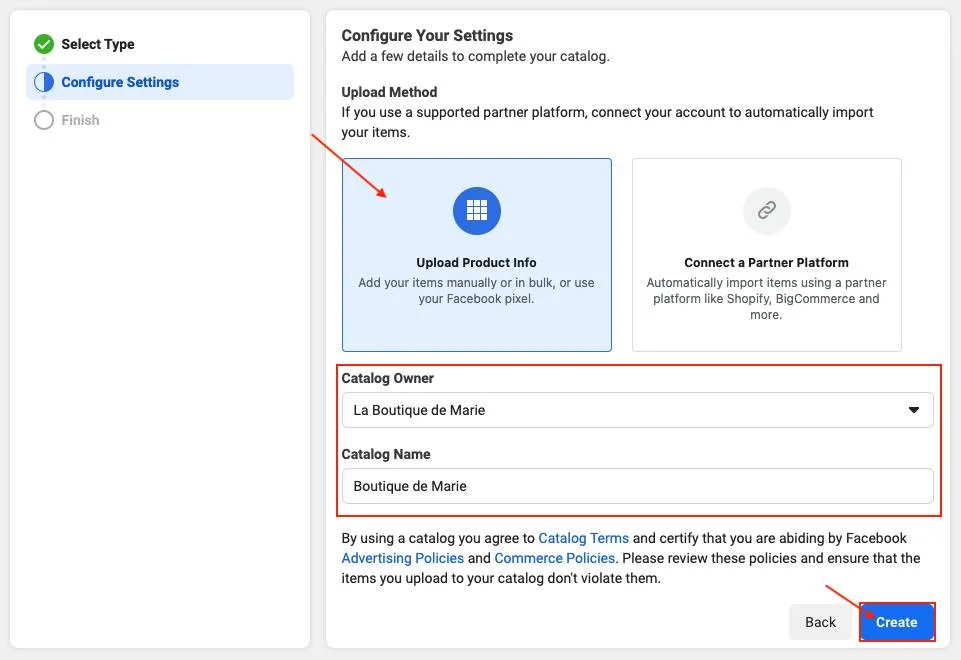
If you plan to create a catalog-based Collection ad, go to Commerce Manager and make sure your product catalog is connected and up to date. Check important product data such as images, titles, prices, availability, and destination URLs before using it in your campaign.
If you are building the Collection manually without dynamic product selection, you may not need to create a new catalog first.
Step 2: Create a New Campaign
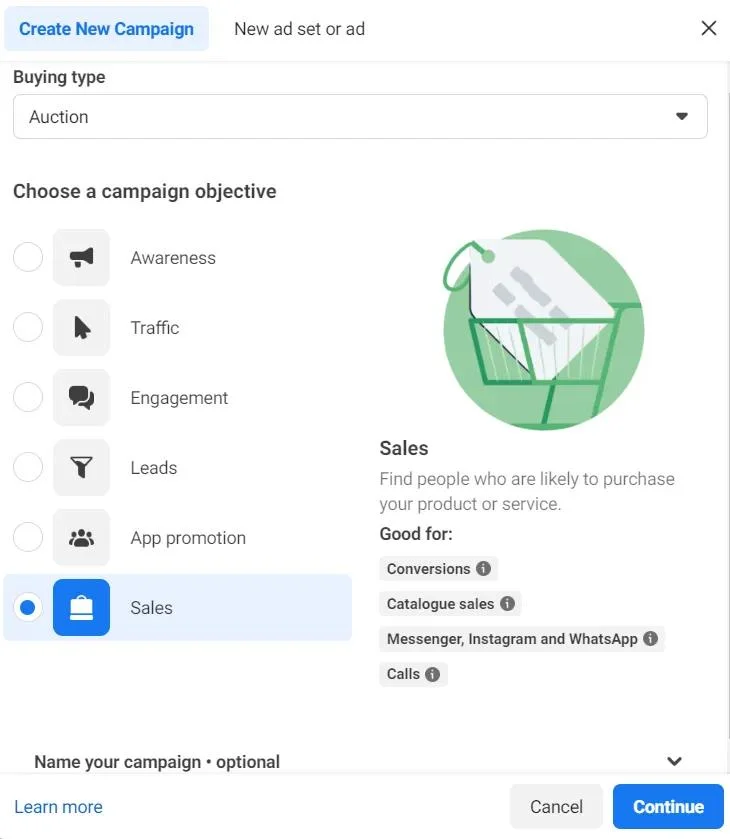
Go to Ads Manager and click + Create to start a new campaign. Choose an objective that supports the Collection experience in your current setup; for ecommerce campaigns, Sales is typically the most relevant option.
Then, configure the campaign settings required for your objective.
Step 3: Set Up Your Ad Set
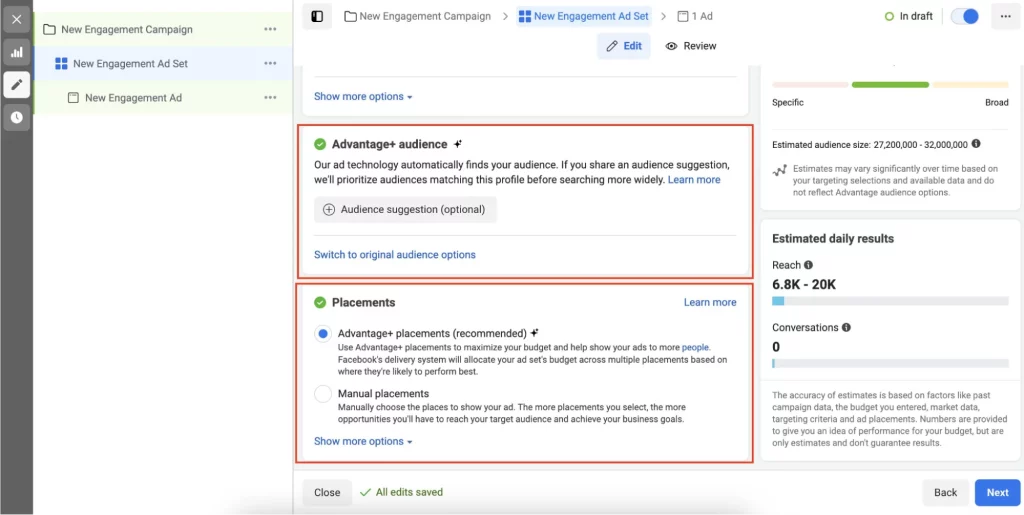
Define your conversion location, performance goal, audience, budget, schedule, and placements. Make sure these settings reflect the action you ultimately want users to take, such as visiting product pages or completing a purchase.
Step 4: Choose the Collection Display
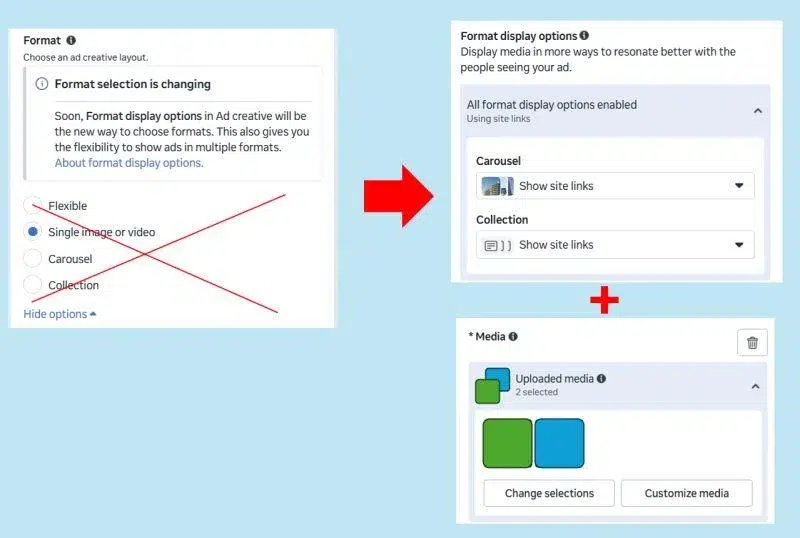
At the Ad level, add your main image or video under Ad creative. In Meta’s newer Ads Manager interface, Collection may no longer appear as a standalone option under the main Format field; instead, look for Format display options and enable the Collection layout there.
The exact interface can vary by account because Meta has been rolling out this format-selection change gradually.
Step 5: Build Your Instant Experience
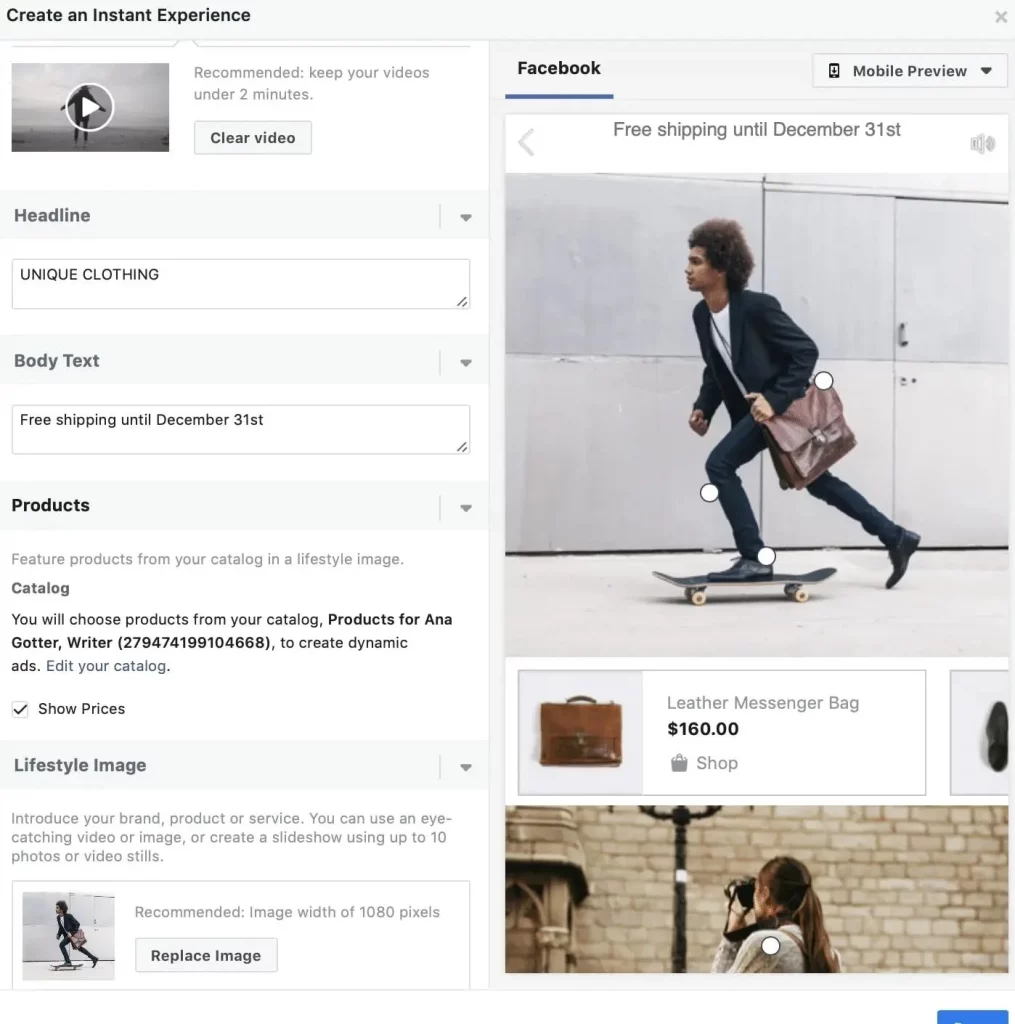
Select or create an Instant Experience, then add your hero creative and the relevant products or product set. Keep the products, offer, and visual style consistent with the cover creative so users see a natural continuation after opening the ad.
For catalog-based campaigns, choose the product set that best matches the audience and offer you want to promote.
Step 6: Add Your Copy, Preview, and Publish
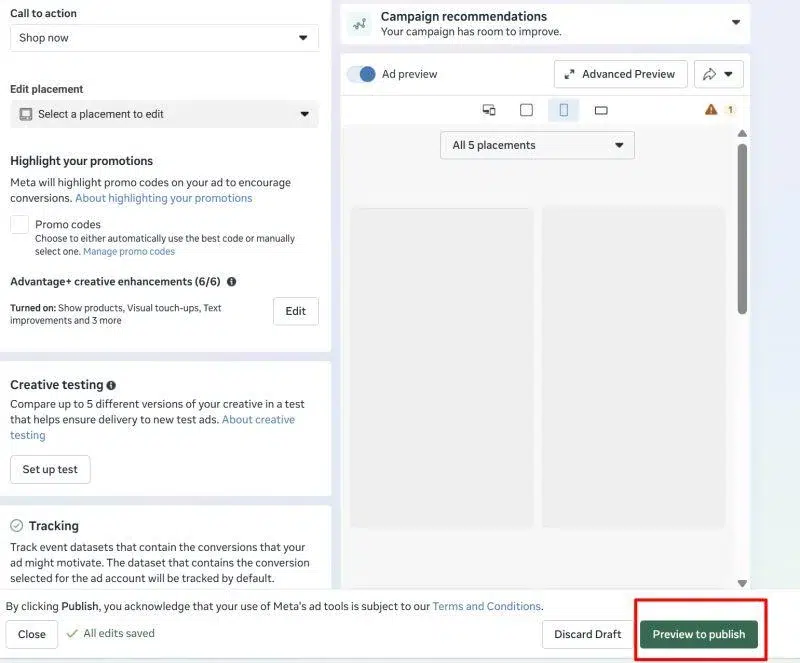
Add your primary text, headline, destination details, and CTA, then preview both the ad and Instant Experience on mobile. Check product links, pricing, creative crops, and tracking before clicking Publish.
Collection ads & Carousel ads: What’s the difference and which one to use?
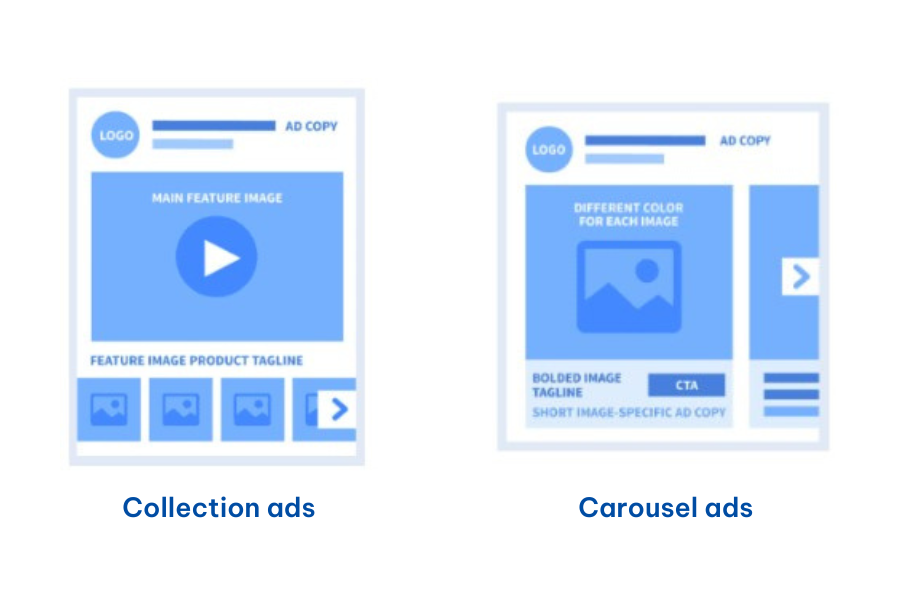
Both Facebook Collection Ads and Carousel Ads are dynamic options for showcasing multiple products or experiences within a single ad, but they cater to different needs and offer distinct user experiences. Choosing the right format depends on your campaign goals and the type of message you want to convey.
| Collection Ads | Carousel Ads | |
|---|---|---|
| Best for | Immersive product discovery and shopping | Showing multiple products, benefits, or messages |
| Structure | Hero image/video + product grid + Instant Experience | 2–10 swipeable image/video cards |
| Post-click experience | Opens an Instant Experience on mobile | Sends users directly to each card’s destination URL |
| Catalog use | Strong fit for catalog-based ecommerce campaigns | Optional; can be manual or catalog-based |
| Best choice when | You want users to browse before clicking through | You want each card to deliver a separate message or destination |
Strategies to Optimize Your Facebook Collection Ad
These five best practices can help improve Facebook Collection Ad performance and conversions.
Choose Your Featured Products Strategically
Choose products that fit the same shopping intent instead of filling the Collection with unrelated items. You can let Meta dynamically select products from your catalog or control the order manually when certain products, offers, or categories need more visibility.
For example, a fashion retailer could group best-selling summer dresses into one Collection instead of mixing dresses, shoes, jackets, and accessories with no clear connection.
Make Your Cover Visual Earn the Click
Your cover image or video should immediately communicate the product, offer, or main benefit users will find inside the Collection. Keep it consistent with the products shown in the Instant Experience so the transition feels natural after users tap the ad.
Mega Digital tip: Test different cover creatives while keeping the same product set. This makes it easier to determine whether performance changes come from the hook or from the products themselves.
Retarget High-Intent Collection Visitors
Not everyone who opens a Collection will complete a purchase, so use retargeting to reconnect with users who have already shown stronger intent. Separate audiences based on actions such as viewing products, visiting product pages, or abandoning the cart, then adjust the message accordingly.
Send Users to the Right Product Page
Use relevant external links so users can move smoothly from the Instant Experience to the next stage of the buying journey. A specific product should lead to its product page rather than a generic homepage, and the offer, price, and message should remain consistent after the click.
For example, SmileDirectClub used a Collection ad to guide users from the Facebook feed to an Instant Experience.
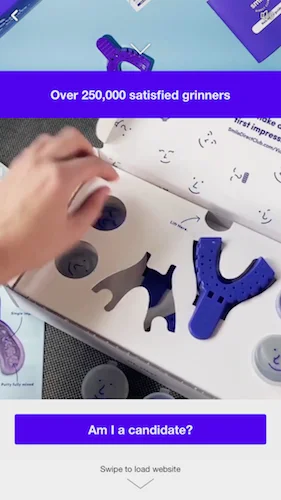
Then, users are directed to a dedicated landing page for a free smile assessment.
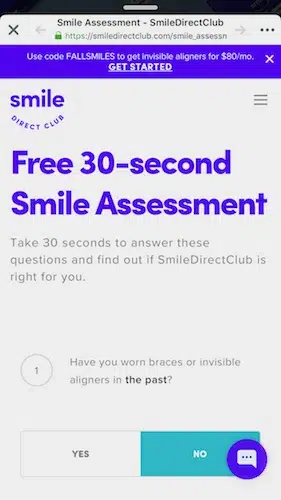
Mega Digital recommends following the same principle: each step should move users closer to the intended conversion rather than sending them to a generic page.
Test One Variable at a Time
Test elements such as the cover creative, product selection, offer, headline, or ad copy instead of changing everything at once. This gives you a clearer view of which adjustment actually improves product clicks, purchases, CPA, or ROAS.
Facebook Collection Ads Case Studies
These case studies show how Collection Ads can support product discovery, catalog performance, and conversions when used with the right campaign structure.
Oralieve
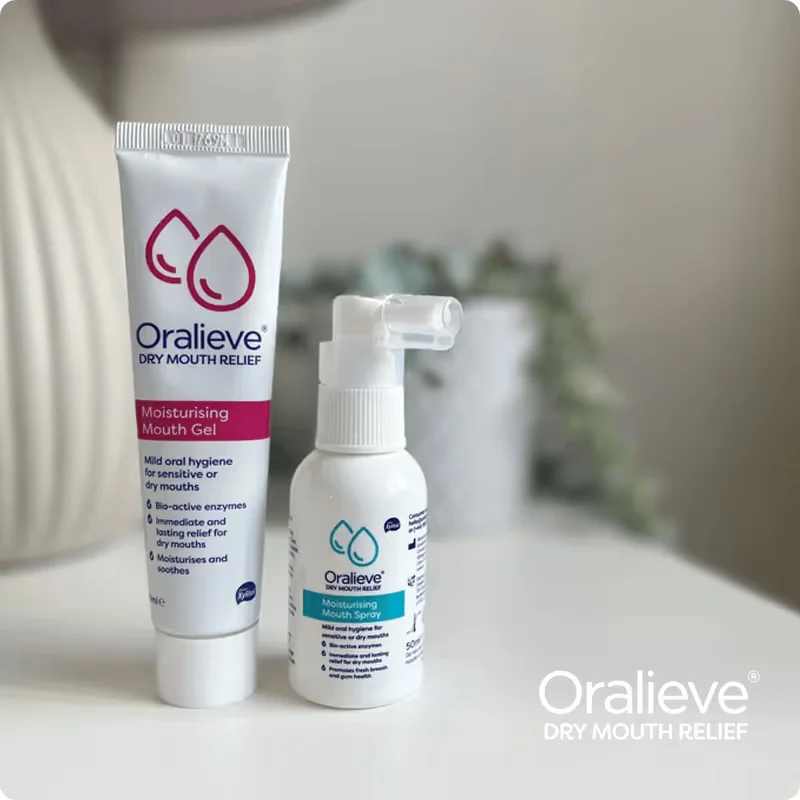
Oralieve used Collection Ads alongside Dynamic Product Ads and product-focused messaging to promote more items across its catalog, rather than relying only on a few hero products.
The broader Meta strategy delivered 82% higher ROAS, 104% higher conversion value, and 126% more purchases, while Collection Ads were among the formats that generated the strongest purchase volume.
Altura
Altura combined Collection Ads with feed-controlled catalog campaigns to prioritize products based on stock availability and margin. This helped keep the products shown in ads more relevant from both a customer and business perspective.
The campaign reached a 3.4x purchase campaign ROAS, while the brand’s end-of-season sale campaign achieved 5.9x ROAS.
Frequently Asked Questions about Facebook Collection Ads
Yes. Service businesses can use Collection Ads to showcase different services, packages, or use cases within one Instant Experience, as long as the content supports a clear customer need.
Update the product availability in your catalog and keep the feed synced with your store. This helps prevent users from clicking unavailable items and keeps the Collection experience accurate.
There is no fixed schedule. Refresh the cover creative or product selection when CTR declines, frequency increases, offers change, or the campaign starts showing signs of creative fatigue.
Yes, but the product mix should match each audience. Prospecting campaigns may work better with best sellers, while existing customers may respond more to new arrivals, complementary products, or higher-value offers.
Read more: Facebook Video Ads 101: How to Set Up and Best Practices
Conclusion
In conclusion, Facebook Collection Ads offer a unique and effective way for businesses to engage with their audience and drive conversions. By understanding how to properly utilize this tool, businesses can significantly enhance their social media marketing strategy.