

A great mobile game can still struggle to gain installs if players cannot find it. Choosing the right app store optimization keywords is essential for improving visibility and attracting high-intent users. In this guide, Mega Digital helps you research, select, and optimize keywords for sustainable organic growth.
Quick summary:
- Learn how players search for mobile games by genre, mechanics, features, mood, and playing context.
- Compare how Apple App Store and Google Play use keywords across different metadata fields.
- Follow a five-step process to research, evaluate, and prioritize relevant mobile game keywords.
- Measure keyword performance and avoid common mistakes that limit visibility, installs, and user quality.
What Is App Store Keyword Research?
App store keyword research is the process of identifying and evaluating the search terms players use to find mobile games on the Apple App Store and Google Play. It helps developers choose relevant keywords that improve search visibility and connect their games with the right audience.
For a broader view of visibility, conversion, and listing optimization, explore our complete guide to App Store Optimization.
Why Keyword Research Matters for Mobile Games
Mobile game players often search based on genre, gameplay mechanics, mood, playing context, or specific features. Effective keyword research helps your game:
- Reach high-intent players: Relevant keywords connect your game with users already searching for experiences such as a “relaxing puzzle game”, “offline RPG”, or “multiplayer shooting game”.
- Compete more effectively: Specific search terms give your game a better chance of gaining visibility without relying only on broad, highly competitive keywords.
- Improve conversion and retention: When keywords accurately reflect the gameplay, players are more likely to install the game and remain engaged because the experience matches their expectations.
- Support sustainable organic growth: Stronger search visibility can generate a more consistent flow of organic installs and gradually reduce dependence on paid user acquisition.
- Understand player demand: Keyword trends reveal the genres, mechanics, and features players are searching for, providing useful input for updates, seasonal content, and LiveOps campaigns.
Apple App Store vs. Google Play Keyword Research
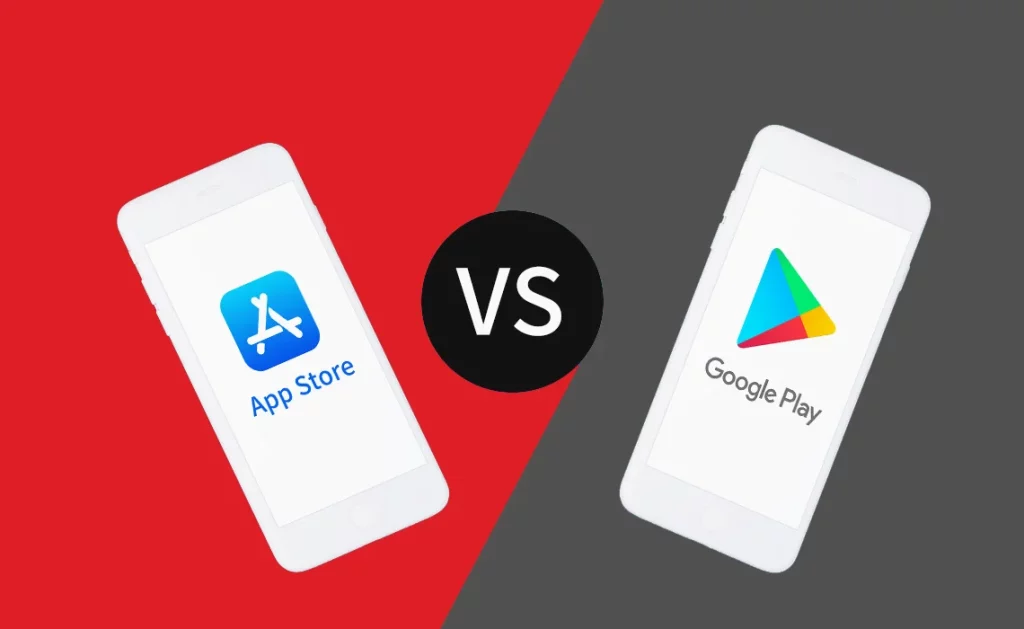
Avoid using the same keyword strategy for both platforms. The Apple App Store uses dedicated metadata fields, while Google Play requires keywords to be incorporated naturally into the visible store listing.
| Feature | Apple App Store | Google Play |
| Indexing approach | Focuses on specific metadata fields. | Analyzes keywords across the store listing. |
| Main placements | App name and subtitle, each limited to 30 characters, plus the keyword field. | App title: 30 characters, short description: 80, full description: 4,000. |
| Description | Mainly supports user understanding and conversion. | Supports both discoverability and conversion. |
| Keyword field | Includes a private 100-character field. | Does not provide a dedicated keyword field. |
| Best practice | Use concise terms and avoid repeating existing words. | Add relevant keywords naturally without keyword stuffing. |
How to Find App Store Keywords for Mobile Games
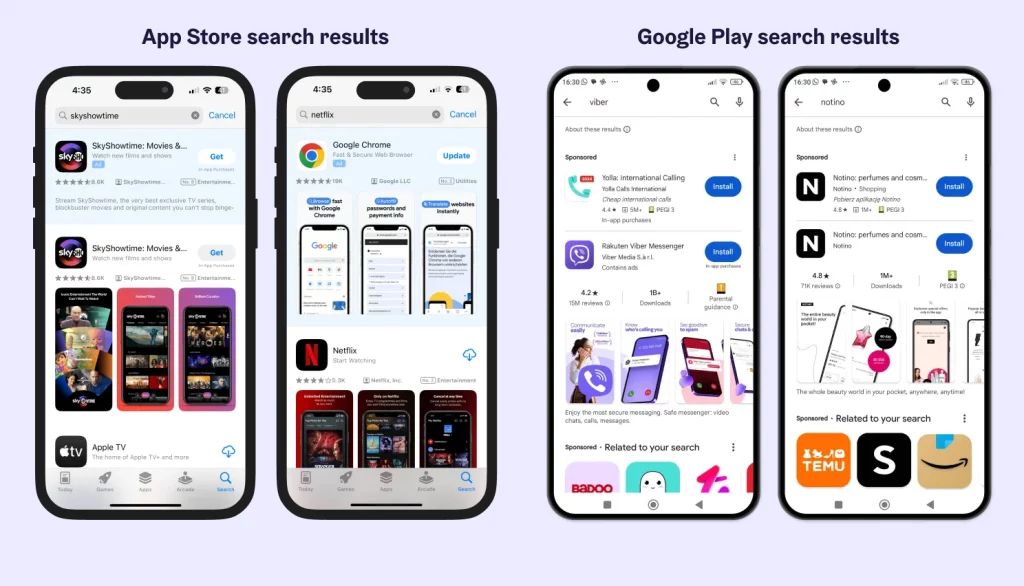
Follow these five steps to identify relevant keywords that match player intent and improve your game’s search visibility.
1. Identify Core Game Mechanics and Features
Start by breaking your game down beyond its broad genre. Consider its core mechanics, game modes, visual style, target audience, mood, and distinctive features.
For example, “zombie game” is too broad. More specific terms such as “zombie base-building game”, “offline zombie shooter”, or “co-op zombie survival” describe the gameplay more clearly and better match player searches.
2. Analyze Competitor Keywords
Study games with similar mechanics, genres, and audiences. ASO tools such as AppTweak, Sensor Tower, and MobileAction can help you review the keywords competitors rank for, the terms used in their listings, and potential keyword gaps.
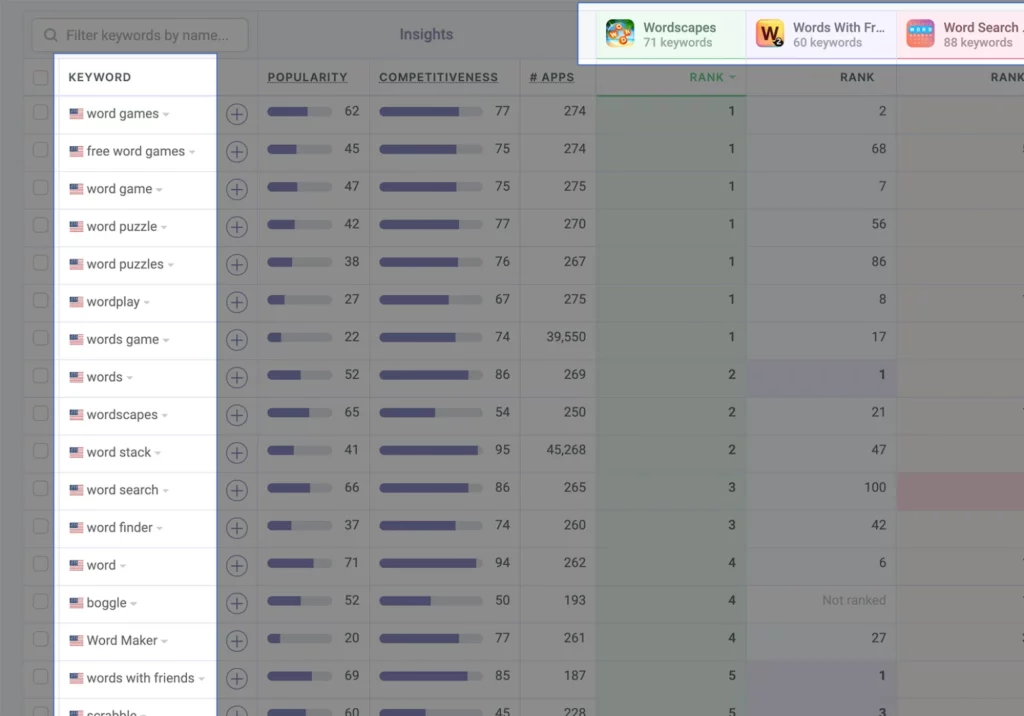
Because search volume and difficulty scores are estimates, use competitor data as a reference rather than copying another game’s strategy directly.
3. Categorize Keywords by Search Intent
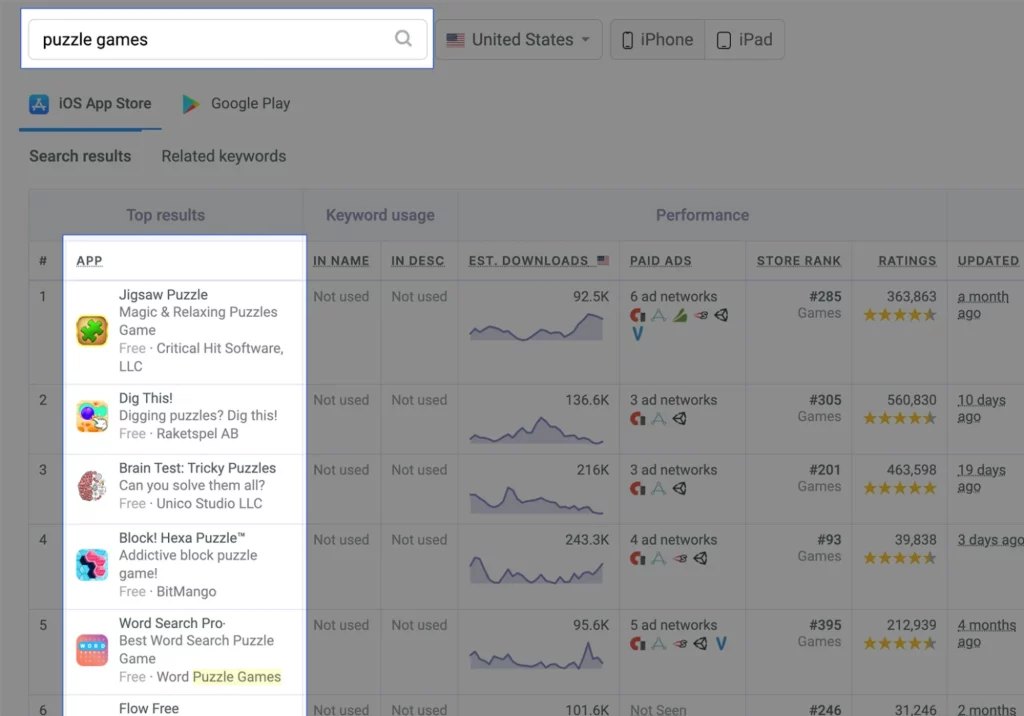
Organize your keyword list based on what players are looking for:
- Branded keywords: Searches for your game, studio, or franchise name. Competitor brand terms can be monitored for market research, but protected names should not be added to your metadata.
- Genre keywords: Broad categories, such as “RPG games” or “puzzle games”.
- Mechanic keywords: Gameplay terms, such as “merge game” or “turn-based combat”.
- Feature keywords: Specific functions, such as “offline games” or “multiplayer games”.
- Mood or purpose keywords: Desired experiences, such as “relaxing puzzle game” or “games to play with friends”.
4. Evaluate Volume, Competition, and Relevance
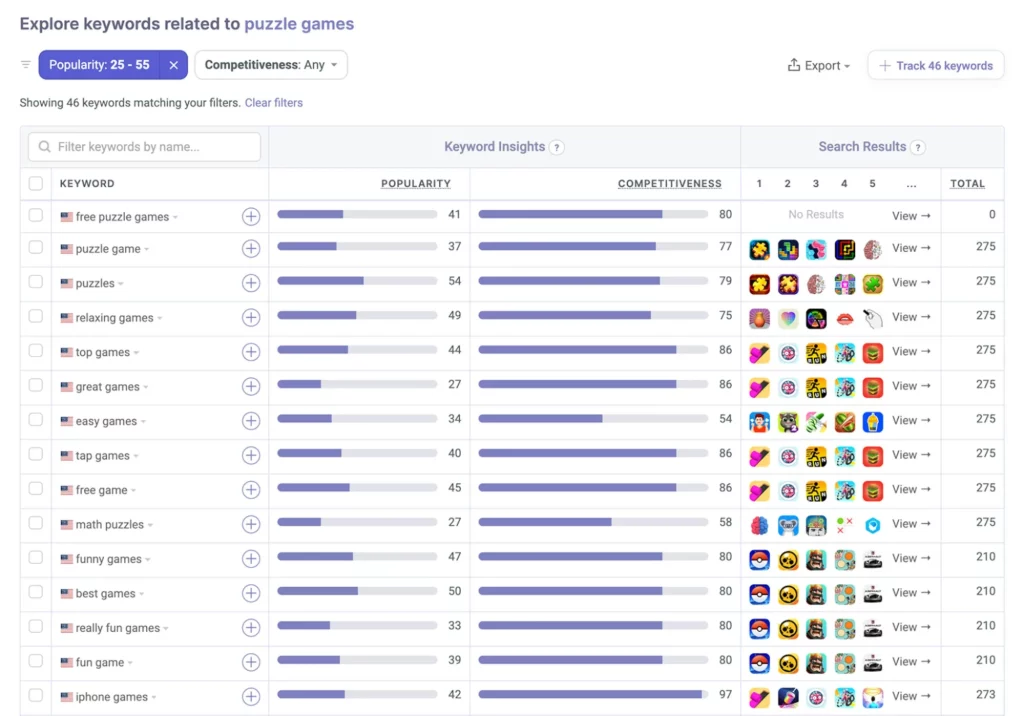
Assess each keyword based on three factors: estimated search volume, ranking competition, and relevance to your game.
Relevance should remain the priority. A popular keyword may generate impressions, but it is unlikely to drive qualified installs when the game does not match what users expect to find.
Aim for keywords with sufficient demand, manageable competition, and a strong connection to the actual gameplay experience.
5. Prioritize Long-Tail Keywords
Long-tail keywords describe a more specific gaming experience. Although they usually have lower search volume, they may face less competition and attract players with clearer intent.
Instead of targeting only “strategy game”, consider terms such as “offline turn-based strategy game”, “medieval base-building game”, or “relaxing city-building game”.
These specific phrases can offer more realistic ranking opportunities for a newly launched game. As visibility improves, gradually test broader keywords while retaining the terms that continue to generate relevant impressions and organic installs.
How to Place and Optimize App Store Keywords
Once you have selected your target keywords, assign them to each metadata field based on relevance, priority, and player search intent.
Optimize Keywords for the Apple App Store
Apple provides several dedicated fields for keyword placement:
- App name: Include the primary keyword when it fits naturally with the game’s name and identity.
- Subtitle: Highlight the genre, core mechanic, key feature, or main player benefit.
- Keyword field: Add relevant synonyms, variations, and supporting terms that do not already appear in the app name or subtitle.
- Keyword combinations: Use distinct words that can form multiple relevant search phrases instead of repeating the same terms across fields.
Avoid competitor names, unrelated popular terms, and unnecessary repetition. Every keyword should accurately represent the gameplay and help Apple match the game with relevant searches.
Optimize Keywords for Google Play
Since Google Play does not provide a dedicated keyword field, keywords should be incorporated naturally into the visible listing:
- App title: Use the primary keyword when it clearly reflects the game and remains consistent with the brand name.
- Short description: Summarize the core gameplay and include one or two highly relevant keyword phrases.
- Full description: Explain the mechanics, features, modes, and player experience using related terms and natural keyword variations.
- Content structure: Present the most important information early and keep the description clear, concise, and easy to scan.
According to Google Play Metadata Policy, players use your store listing to understand the game and decide whether it is worth trying.
Avoid fixed keyword-density targets or unnatural repetition. Use relevant keywords only where they help explain the gameplay and support the player’s decision to install.
How to Measure ASO Keyword Performance
Measure keyword performance across the full search journey, from visibility to installs and post-install quality.
- Keyword ranking: Track your game’s position for target keywords by platform, country, and time period to evaluate whether metadata updates improve visibility.
- Search visibility: Monitor impressions or store listing visits from app store search to understand how often players discover your game.
- Search-driven acquisitions: Measure downloads or acquisitions generated through organic search rather than paid ads, referrals, or other channels.
- Search conversion rate: Track the percentage of search visitors who install after viewing the listing. Low conversion may signal a mismatch between the keyword and game experience.
- Post-install quality: Compare engagement, retention, and uninstall behavior among search-acquired users where attribution data is available.
Mega Digital’s tip: Change only a small group of keywords at a time and track them over a consistent period. This makes it easier to identify which updates actually improve organic performance.
Common App Store Keyword Mistakes for Mobile Games
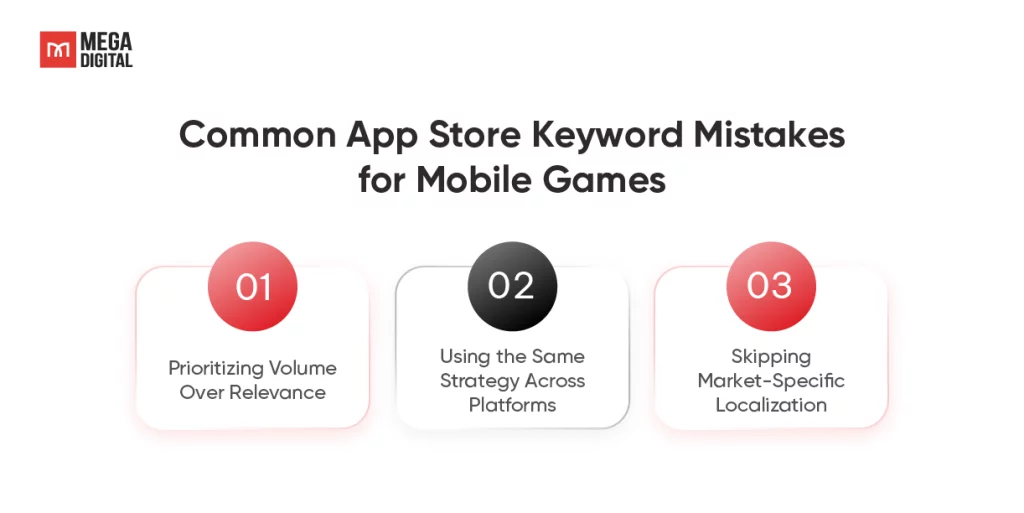
Even a well-researched keyword list can underperform if it is applied incorrectly. Watch for these common mistakes when optimizing mobile game keywords.
#1. Prioritizing Volume Over Relevance
High-volume keywords may appear attractive, but they can bring the wrong audience when they do not match the game’s mechanics, genre, or player experience. This often creates impressions without qualified installs.
How to fix: Check every keyword against the game’s actual mechanics, features, and player intent before adding it to the final list.
#2. Using the Same Strategy Across Platforms
Apple App Store and Google Play use different metadata structures and indexing approaches. Reusing the same keyword placements and listing content across both platforms can limit visibility.
How to fix: Build one core keyword set, then adapt it separately for Apple’s app name, subtitle, and keyword field and Google Play’s title and descriptions.
#3. Skipping Market-Specific Localization
Players in different countries may use different terms for the same genre, mechanic, or feature. Directly translating English keywords may not reflect how local audiences actually search.
How to fix: Research keywords by country and language using local competitors, search suggestions, and market-specific ASO data.
FAQs About App Store Optimization Keywords
Here are quick answers to common questions about choosing and using ASO keywords for mobile games.
A good keyword closely matches the game’s genre, mechanics, features, or player intent. It should also have reasonable demand and achievable competition.
Generally, no. You can monitor competitor names for research, but using protected brand names in metadata may create policy or intellectual property risks.
No. Search terms and player behavior vary by language and market, so each target country needs localized keyword research.
No. Ranking changes may take time and also depend on relevance, competition, downloads, ratings, reviews, and listing performance.
Conclusion
App store keyword optimization is an ongoing process of researching, testing, and refining. Focus on relevant keywords that match your game’s mechanics, adapt your strategy for Apple and Google Play, and measure performance beyond rankings.
Follow Mega Digital for more practical guides on ASO, mobile game marketing, and sustainable organic growth.