

Wish you had more insight into your competitors? This is where Google Ads Transparency Center comes into play. This tool allows you to understand who is advertising, what they are advertising, and how they are reaching their audience. In this blog, you will learn how to use this tool to research the competition and gain a competitive edge.
Quick summary:
- Advertisers can search by advertiser name or website to see the ads a brand is running.
- Google Ads Transparency Center lets users filter results by date, location, and platform to compare activity across markets and periods.
- Competitor ads can reveal recurring patterns in messaging, offers, CTAs, and creative formats.
- The tool does not provide private campaign data such as keywords, bids, CPA, ROAS, or full ad spend.
What is Google Ads Transparency Center?
Google Ads Transparency Center is like a special online library where you can see and analyze ads that other advertisers have run on Google platforms like Search, Display, and YouTube. It’s designed to give you detailed information about the ads you see while browsing. You can learn more about who’s advertising, what kind of ads they’re running, and even get insights into the content of the ads. It’s a tool that helps make advertising more open and understandable for everyone.
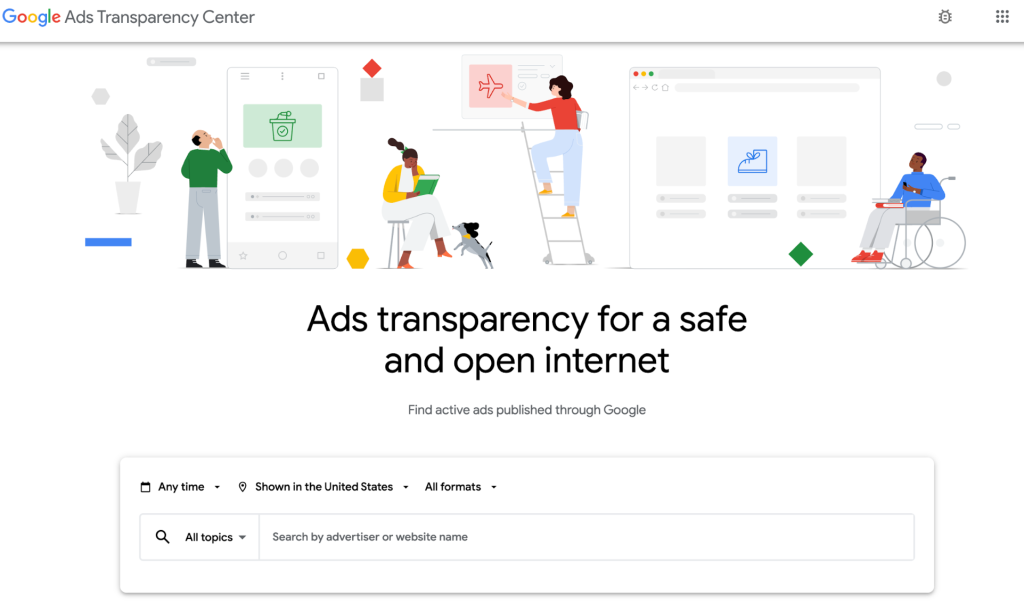
Key Features of Google Ads Transparency Center
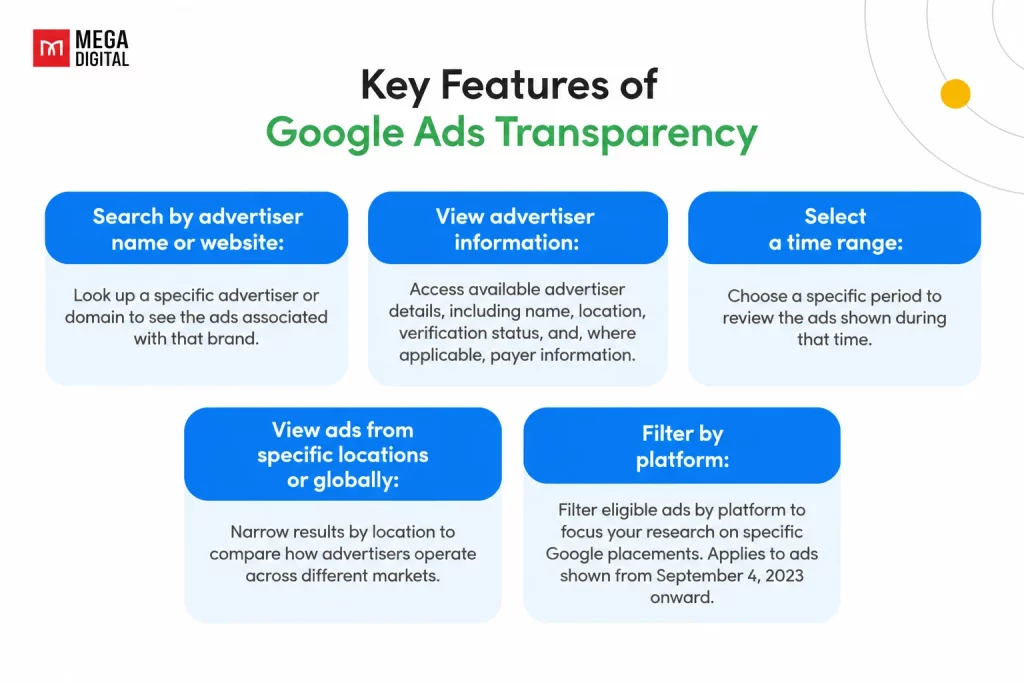
Google Ads Transparency Center offers several useful features for researching advertisers and their ads:
- Search by advertiser name or website: You can look up a specific advertiser or domain to see the ads associated with that brand.
- View advertiser information: You can access available information about advertisers, including their name, location, verification details, and, where applicable, the entity paying for the ads. Google expanded payer-name transparency in 2025.
- Select a time range: You can choose a specific period to review ads that appeared during that time.
- View ads from specific locations or globally: You can narrow results by location to compare how advertisers operate across different markets.
- Filter by platform: You can filter eligible ads by platform to focus your research on specific Google placements. Google notes that platform filtering applies to ads shown from September 4, 2023 onward.
Benefits of Using Google Ads Transparency Center
Transparency Center in Google Ads serves as a powerful tool for advertisers, offering a multitude of benefits that can significantly enhance your advertising experience. Here are some of the key benefits:
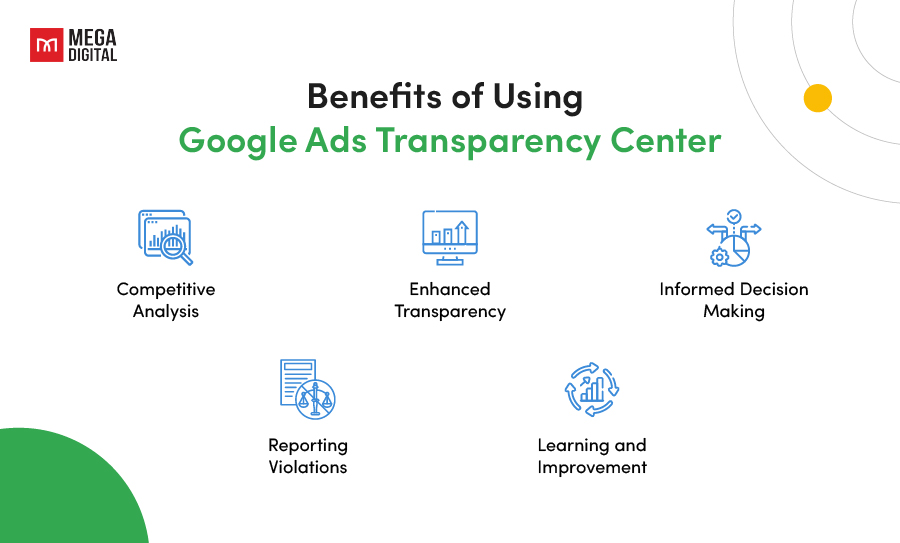
Competitive Analysis
Google Ads Transparency Center allows advertisers to review competitors’ ads and identify patterns in their messaging, offers, creatives, and ad formats. These insights can help advertisers understand how competitors position their products and refine their own advertising strategy.
Enhanced Transparency
Transparency Center provides information about who is advertising, where the advertiser is located, who pays for the ads when applicable, and which ads they have served. This gives users more context about the brands and organizations behind the ads they encounter.
Informed Decision Making
With detailed information about advertisers and their campaigns, users can make more informed decisions about their own advertising strategies. They can analyze successful campaigns, learn from them, and apply those insights to their own strategies.
Reporting Violations
The ability to report ads or advertisers that violate Google’s policies is a significant benefit. This feature ensures that the advertising ecosystem remains safe and trustworthy, and that violators are held accountable.
Learning and Improvement
By studying ads from other advertisers, users can discover new approaches to creative formats, messaging, offers, and CTAs. These observations can provide useful inspiration when developing or improving their own campaigns.
How to Use Google Ads Transparency Center to Spy on Competitors
Using Transparency Center in Google Ads is easy. Here’s a step-by-step guide:
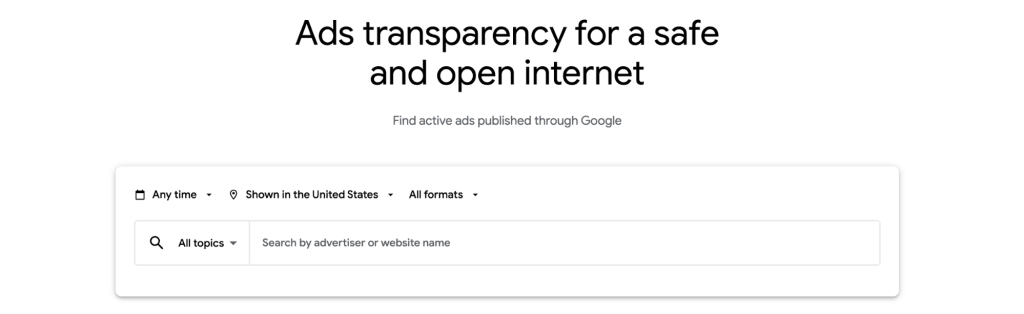
Step 1: Access the Google Ads Transparency Center
Start your journey by visiting the Google Ads Transparency Center. This is the hub where you can access all the features of Google Ads Transparency features.
Step 2: Select the time range
This feature allows you to view ads dating back to May 31, 2018 up to the present day, giving you a historical perspective on your competitors’ advertising strategies:
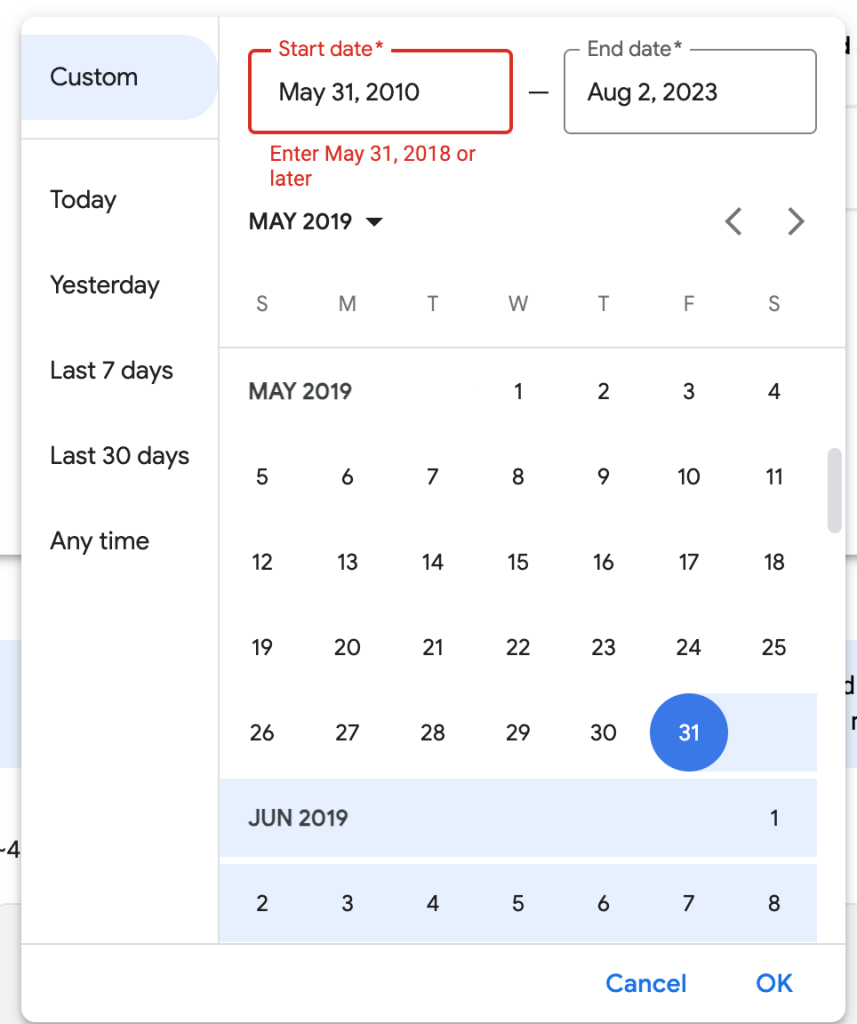
You can use this information to identify trends and patterns in your competitors’ advertising tactics.
Step 3: Select the location of the ads
This tool allows you to view ads from specific countries or globally:
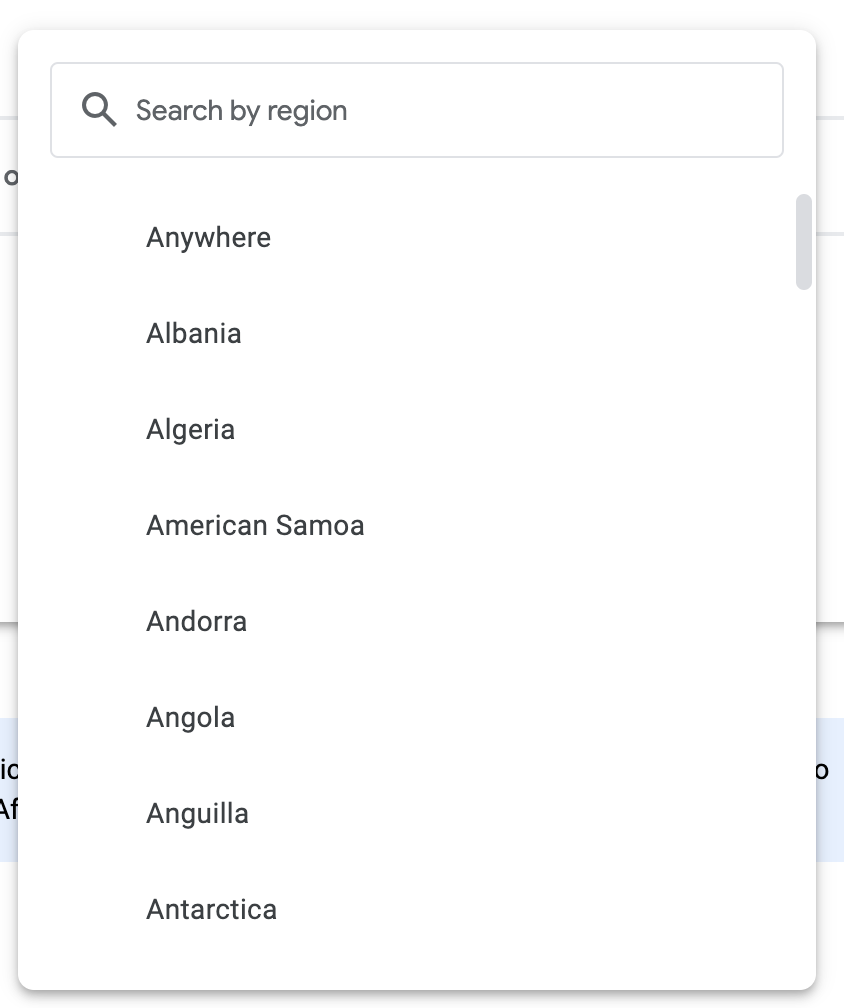
This feature from Transparency Center is particularly beneficial for businesses operating in multiple international markets, as it allows them to understand how their competitors’ advertising strategies vary across different regions.
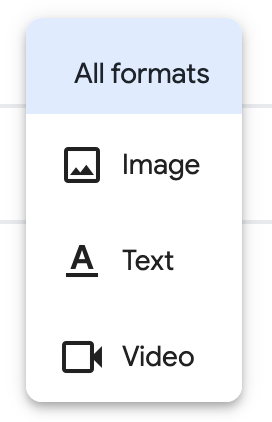
Step 4: Select the ad format (optional)
Next, choose the ad format you want to view. You can select to view image ads, text ads or video ads:
Step 5: Enter your competitor’s URL
Finally, enter the URL or the name of the competitor you want to view ads for:

Google Ads Transparency Center and Advertiser Verification
Google’s advertiser verification program helps provide more context about who is behind an ad. For verified advertisers, Google can display information such as the advertiser’s legal or trademark name, location, and the entity paying for the ads in ad disclosures and the Ads Transparency Center.
The Center can also include advertisers that have not yet completed verification. Google labels verified and unverified advertisers accordingly, helping users better understand the identity and verification status of the advertiser.
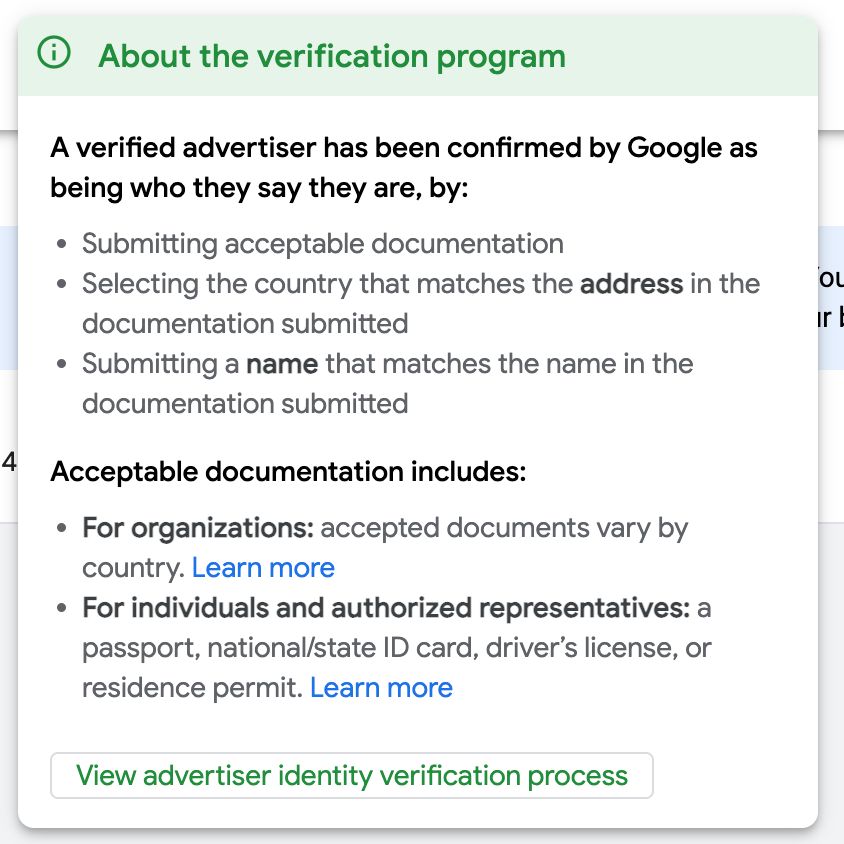
The verification process involves these following steps:
- Identity verification: Advertisers are required to provide information about their business, including their business name, address, and contact information. Google uses this information to verify the advertiser’s identity.
- Ad disclosure: Advertisers are required to disclose who is paying for the ad. This information is displayed in the “About the advertiser” section in Google Ads Library.
- Policy compliance: Advertisers are required to comply with Google’s advertising policies. These policies cover a range of topics, including prohibited content, prohibited practices, and restricted content.
Troubleshooting Guide: Locating Advertisers and Ads in Google Ads Transparency Center
Why can’t I find a specific advertiser’s ads?
If you cannot find an advertiser, try searching by both the advertiser name and website. You should also review your date, location, and platform filters, as these settings can narrow the results shown. Google supports searches by advertiser or website name.
Why can’t I find a particular ad?
A particular ad may not appear under your current date, location, or platform filters. If you use the platform filter, keep in mind that Google only includes ads shown from September 4, 2023 onward in those filtered results.
FAQs about Google Ads Transparency Center
Below are the Frequently Asked Questions that you need to know about Google Ads Transparency Center:
Google Ads Transparency Center is a publicly accessible tool, so you do not need to access it through your Google Ads account. You can open the Center directly and search by advertiser name or website.
You can find information such as the advertiser’s name, location, payer information, verification status, and ads they have served. Depending on the region, Google may disclose additional information, but the tool does not generally provide a competitor’s full keyword list, bids, campaign performance, or complete advertising spend.
Yes, you can report an ad or an advertiser in Google Ads Transparency Center. If you believe an ad or an advertiser is violating Google’s advertising policies, you can submit a report directly through the platform.
The information in Transparency Center is updated regularly, but it may not always reflect real-time data. There might be a delay due to data processing times.
Currently, Google does not provide an option to download the data directly from Transparency Center. However, you can manually record the information for your reference.
Final words
In conclusion, Google Ads Transparency Center is instrumental in fostering transparency and trust in the digital advertising ecosystem. This tool empowers advertisers, researchers, and everyday users alike with the knowledge and insights needed to navigate the complex world of online advertising.
As we continue to move towards a more transparent future, Transparency Center will undoubtedly play a crucial role in shaping the landscape of digital advertising. Stay tuned to our blog for more insights and updates on Google Ads.